
Justice Department Will Investigate Conditions at D.C. Jail After Years of Reports of Filth and Neglect
The Justice Department is investigating years of complaints of wretched living conditions, neglect, and brutality inside the D.C. Jail.

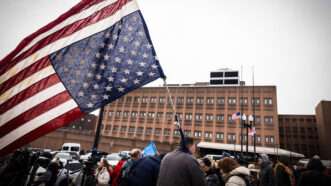
The Justice Department is investigating years of complaints of wretched living conditions, neglect, and brutality inside the D.C. Jail.
The Supreme Court will soon have a chance to rein in excessive fines.

Lethal injection aims to disguise the brutal reality of capital punishment by dressing it in medical garb.
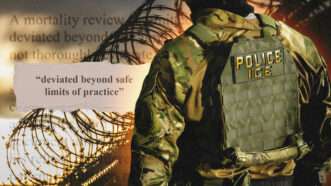
The reports found medical care that "deviated beyond safe limits" in dozens of cases where ICE detainees died in custody.

Californians can now sue federal officers for civil rights violations, but cops can still claim qualified immunity as a bona fide defense for official misconduct.

Photos taken by an ICE whistleblower show detainees at the agency's overcrowded Miramar field office sleeping in the building's sally port.
A recent settlement crippled a local code enforcement scheme—and exposed the perils of turning petty violations into government revenue streams.
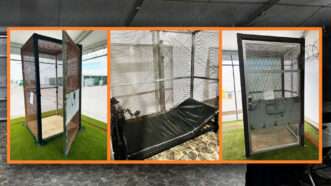
An inspection of the now-closed detention camp found overcrowding, unsanitary conditions, and an "unprecedented" use of small metal cells to confine detainees.

The history of the Excessive Fines Clause shows why Alaska pilot Ken Jouppi should not lose his airplane simply because he helped a passenger defy a local alcohol ban.

A Justice Department report documents California's failure to protect incarcerated women from sexual assault going back decades.

It will review Alaska's confiscation of a $95,000 plane arising from the pilot's illegal transportation of up to 72 cans of beer.

Ken Jouppi's Eighth Amendment challenge asks the Court to decide whether a fine must be proportional to the gravity of the crime.

A federal judge ordered sweeping improvements to conditions at the Adelanto ICE Processing Center in California. Families say their loved ones died of neglect inside.

Richard Hershey is asking the Supreme Court to overrule a 5th Circuit decision that blocked the lawsuit provoked by that obvious First Amendment violation.

Trump administration officials say there's no hunger strike at the Delaney Hall detention center in New Jersey, but they'll force-feed detainees if it gets bad enough.
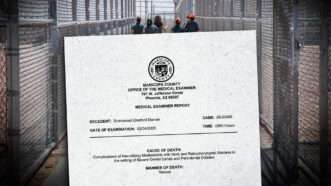
Arizona Democrats are calling for a full investigation and transparency after a medical examiner concluded Emmanuel Damas died from a severe tooth infection.

Families have complained for years that the Bureau of Prisons fails to notify them when their incarcerated loved ones are seriously ill or even dying.

“These men have not been able to touch grass and feel the warmth of the sun for the first time in ten years.”
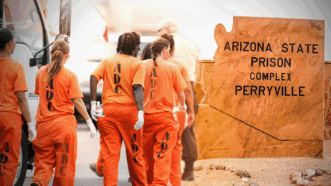
A federal judge ruled in 2022 that "no legitimate humane system would operate" like Arizona's prison health care system. Three years later, that same judge found the problems still hadn't been fixed.

Sandy Martinez's little-known story is a microcosm of the broader debate over what, exactly, transgresses the Eighth Amendment's prohibition on excessive fines.

Drug policy reformers and Second Amendment advocates team up in a case before the Supreme Court.
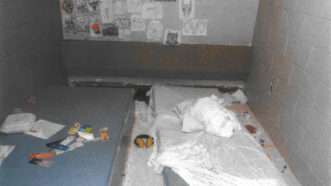
"Youth must ask to be released from their cells to use the bathroom or be forced to use garbage pails, water bottles, food containers, or buckets to relieve themselves," the lawsuit says.
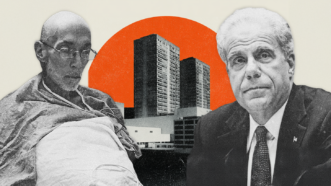
Frederick Bardell died from treatable colon cancer after waiting six months for a colonoscopy.

A lawsuit challenging extreme heat in a Florida prison collected temperature readings during the summer. It found brutal heat persisted day and night.

The president thinks he can transform murder into self-defense by executive fiat.
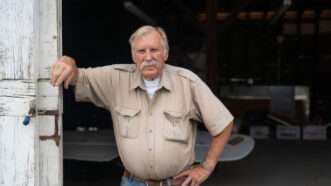
Alaska has been trying to seize Ken Jouppi's Cessna for 13 years over a misdemeanor crime.

As part of his response to the alleged crime emergencies taking place nationwide, Trump signed an executive order restricting federal funding from jurisdictions with cashless bail policies.

The decision overturns a staggering "disgorgement" order that was based on dubious math.

Questions about the death of Marie Blaise at a South Florida ICE detention center have lingered since she collapsed in April.

One former ICE detainee says he and a group of men were forced to kneel with their hands tied behind their backs and eat "like dogs."
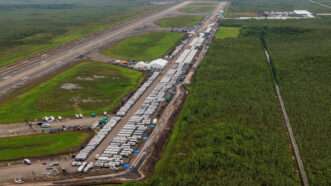
Numerous accounts of lack of showers, overflowing toilets, and inability to meet with lawyers are emerging from the detention center in the middle of the Everglades.

Judge James C. Ho recently described a troubling phenomenon on the 5th Circuit and the government abuse it enables.
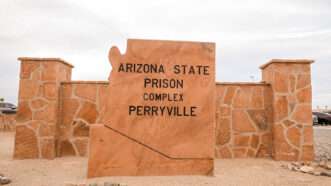
Criminal justice reform advocates are still hopeful the office can secure outside funding and bring much-needed transparency to Arizona's prisons.

The ruling tells an interesting story about how the very body that created a cause of action for victims of federal abuse has since worked to undermine that right.
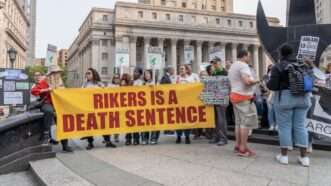
A federal judge finally acknowledged that New York City won't fix the constitutional crisis at Rikers on its own, but the problem goes far beyond New York City.
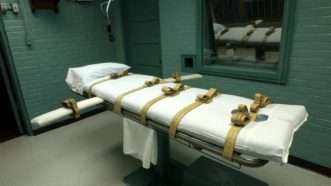
The order directs the attorney general to ensure that states have the drug cocktails to carry out lethal injections.

Plus, a look at Rep. Alexandria Ocasio-Cortez and Sen. Tina Smith's plan to resurrect public housing in America.
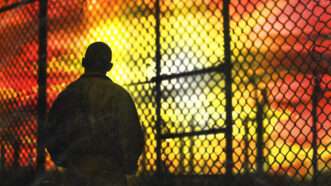
Last year, one prison's temperatures stayed above 100 degrees for 11 days.

"In short, 'cruel and unusual' is not the same as 'harmful and unfair,'" the court wrote.
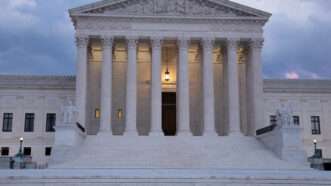
Homeless advocates say the court's decision in Grants Pass v. Johnson gives local governments a blank check to "to arrest or fine those with no choice but to sleep outdoors."

One man’s overgrown yard became a six-year struggle against overzealous code enforcement.

Columbia law professor David Pozen recalls the controversy provoked by early anti-drug laws and the hope inspired by subsequent legal assaults on prohibition.
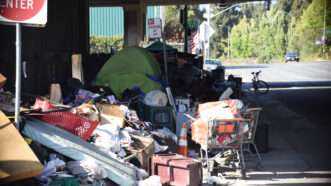
The Eighth Amendment provides little, if any, protection for the homeless. But courts can help them by striking down exclusionary zoning, which is the major cause of housing shortages that lead to homelessness.
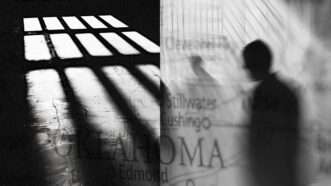
At least one inmate claims that the shower stalls, which were just 3 feet by 3 feet, were covered in human feces.
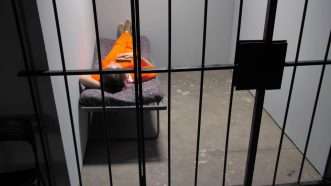
Michael Garrett and other Texas inmates get less than four hours of sleep a night. He argues it's cruel and unusual punishment.

Mississippi's prisons are falling apart, run by gangs, and riddled with sexual assaults, a Justice Department report says.

Plus: the Supreme Court weighs housing fees and homelessness, YIMBYs bet on smaller, more focused reforms, and a new paper finds legalizing more housing does in fact bring costs down.
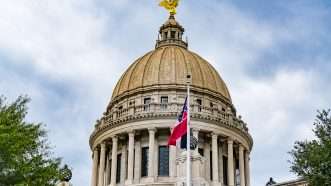
A broad coalition of civil rights groups and think tanks, including Reason Foundation, say that Mississippi's "mandatory, permanent, and effectively irrevocable" voting ban for certain offenders violates the Constitution.
Celebrate your independence with a subscription to Reason magazine, your most trusted source of honest, insightful news and analysis.




