
Will 2024 Bring the Return of the Neocons?
The GOP nominee can forge a humbler path on foreign policy—or turn back to failed neoconservatism.


The GOP nominee can forge a humbler path on foreign policy—or turn back to failed neoconservatism.

Falling birthrates, pro-natalist policies, and the limits of population control

Are the plausible alternatives to continental governance any better?

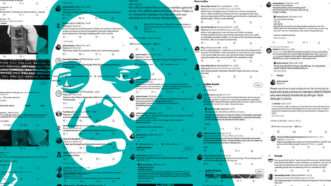
Morgan Bettinger was accused on social media of telling protesters they would make good "speed bumps." It was more than a year before investigations cleared her.

What happens when anti-liberty zealots get the same powers?
Can Americans afford to welcome the huddled masses?
What is the relationship between liberty and democracy?

Have we forgotten the era of mass institutionalization?

Do felines contribute more to human liberty?

Are political breakups really as American as apple pie?

Where am I supposed to spend my cryptocurrency?

Does Ukraine face an existential risk? Does it matter?

Where libertarians debate democracy, open borders, cats and dogs, and more

Is an A.I. "foom" even possible?


Land use policies explain the battles over everything from the Great Recession to abortion to Donald Trump.

Conservatives have been slow to recognize the threat that drug prohibition poses to gun rights and other civil liberties.

Beware of activists touting "responsible research and innovation." The sensible-sounding slogan masks a reactionary agenda.

Does he want to limit government, or is he just out to win at all costs?

A favela in southern Brazil shows the upside of an "invasive" urban form—and offers lessons for U.S. housing policy.

By restricting private health care choices, the NHS and other beloved single-payer systems were doomed from the start.

It was a blunder. Worse than that, it was a crime.

What was originally intended as an alternative to incarceration has become a system for mass state control.

Secret internal Facebook emails reveal the feds' campaign to pressure social media companies into banning COVID "misinformation."

The underwhelming vice presidency of an unpopular former prosecutor has created a succession problem for the Democrats.

The social changes that paved the way for gay and trans acceptance have made pedophile acceptance less likely, not more.

Justice Thomas' footprints are all over the Court's recently concluded term.

By giving powerful law enforcement officials absolute immunity from civil liability, the Supreme Court leaves their victims with no recourse.

Putting the district's train system back on track will take more than better bureaucracy.

Most dangerously of all, they're starting to make their own central bank digital currencies.


Thanks to the rise of private spaceflight companies, mankind will have a future off-Earth.

An aeronautical engineer considers writing a novel about a new start on the moon.


How the FCC went from regulating telegraphs to regulating satellites


Here's what could happen when John Locke and Henry George go to the moon.

A new generation of companies has made space travel affordable.

An excerpt from The Next American Economy: Nation, State, and Markets in an Uncertain World.

Inflation is a problem for politicians. Unfortunately for them, it's not a problem they know how to solve.

The war on drugs conspires with the war on guns to make a mockery of justice.

The long, weird history of partisan electoral shenanigans

Why are activists trying to stop research into a promising backup plan to handle climate change?

The problem with American politics isn't polarization—it's rising illiberalism.

As American politicians turn against economic openness, history suggests the consequences could be dire.

The FBI's long history of using informants and manufactured plots to prosecute extremists
Celebrate your independence with a subscription to Reason magazine, your most trusted source of honest, insightful news and analysis.




