
Lawn-Sign Liberalism vs. Supply-Side Progressivism
"Supply-side progressives" like Ezra Klein and Derek Thompson are ultimately technocrats, not libertarians. But they recognize that more is better than less and that a good society is not zero-sum.


"Supply-side progressives" like Ezra Klein and Derek Thompson are ultimately technocrats, not libertarians. But they recognize that more is better than less and that a good society is not zero-sum.

Good intentions, bad results.
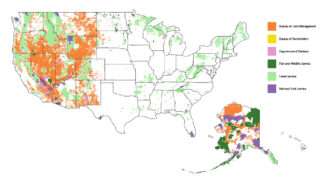
One proposal would create a streamlined process for selling off federal land to state and local governments, but only if they allow housing to be built on it.

Canada’s retaliation against Trump’s tariffs is wiping American alcohol off store shelves—and fueling an unexpected push to deregulate its own restrictive liquor laws.
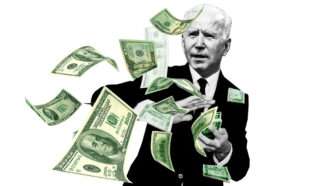
The outgoing administration shoveled out loans for projects that private lenders wouldn't fund.

Plus: Texas and Minnesota consider an aggressive suite of housing supply bills, while San Diego tries to ratchet up regulations on ADUs.

During Trump's first term, California filed numerous lawsuits seeking to halt deregulation.
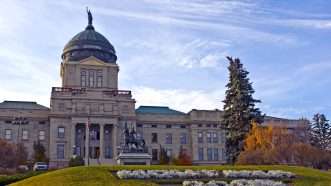
On Monday, a Montana judge roundly rejected homeowners' legal challenge to new laws allowing duplexes and accessory dwelling units in single-family areas.

State laws banning caged eggs are cutting off millions from cheaper options.

Means-test Social Security, raise the retirement age, and let us invest our own money.

The GOP faces a choice about how to move forward.

At the current rate of inflation, the dollar will lose 33 cents of purchasing power within a decade.

Dietary supplement bans for minors may spread—but they’ll be costly, confusing, and ineffective.

Economist Bryan Caplan and I will speak at event sponsored by the Schar School of Policy and Government at George Mason University.

From forest restoration to energy infrastructure, NEPA delays projects that would benefit the economy and environment.
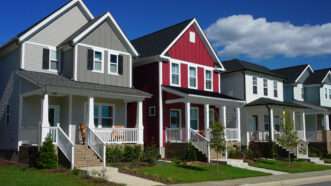
Lawmakers in Arizona and California are attempting to overcome local resistance to meaningful starter home reforms.

If Trump wants to encourage domestic investment, his antitrust appointees should ditch their Big Tech prejudice.

"The effects were immediately seen by everyone and they were all beneficial," says the former vice president of Argentina's central bank.

From insurance to affordable housing mandates, California's regulatory noose tightens over wildfire rebuilding efforts.


The right to a reasonable accommodation has produced some absurd results.

When regulations limit what kind of housing can be built, the result is endless arguments about what people really want.

Generative AI is a powerful tool for creativity and speech. Efforts to censor, regulate, and control it threaten America's tradition of open discourse.

"The effects were immediately seen by everyone and they were all beneficial," says the former vice president of Argentina's central bank.

Some of California's architectural wonders were consumed by the flames.
Eliminating the deficit requires cutting the biggest spending—defense, Medicare, Social Security. So far, Trump says he won't touch those.

The Mises Caucus hold over the party cracks as its founder Michael Heise loses in a 9-6 vote to Steven Nekhaila.

The agency is ineffective, duplicative, and expensive.

Johnston, Rhode Island, Mayor Joseph Polisena promised to "use all the power of government" to stop the privately financed 252-unit project.

Trump and Biden both backed trade restrictions that ultimately lead to higher prices for the computer chips necessary to power artificial intelligence.

The right to a reasonable accommodation has produced some absurd results.

Inflation and rent prices are down, and the country has a budget surplus.

Allowing duplexes and triplexes in single-family neighborhoods doesn't increase housing supply much. But it does give people more choices.

Anyone who thinks state regulatory agencies will help them doesn't understand how these agencies actually operate.

A thicket of red tape has made the island's rebuilding efforts painfully slow.

The brief is on behalf of the Cato Institute and myself.
Lawmakers across the country introduce bills to strengthen private property rights, crackdown on out-of-control regulators, and get the government out of micromanaging stairways.

The move "seeks cheaper food for Argentines and more Argentine food for the world."

Domestic deregulation will decrease the cost of living. Trade barriers will do the opposite.


Zoning laws, occupancy limits, and short-term rental restrictions are keeping housing off the market and driving up costs.

California Gov. Gavin Newsom must allow prices to rise if he wants homes to be rebuilt as quickly as possible.

Needless regulation on fire insurance, "speculators," and duplexes means fewer dollars are going to rebuild Los Angeles.

The California governor is using state of emergency powers to make unsolicited offers to buy people's property in fire-affected areas "for an amount less than the fair market value."

It shouldn't take a disaster for the state to consider fixing the rules that make it so expensive to building housing there.

Austerity measures and bold economic reforms led to the country's lowest inflation rate in over four years.

The Golden State has many bad policies in desperate need of reform. It's not obvious they had more than a marginal effect on the still-burning fires in Los Angeles.


New from Reason: a look into what Javier Milei has accomplished and what it will take to make the most of Argentina’s window for real change. Out now for subscribers.

