
L.A. Mayor Karen Bass Says You Can Defeat NIMBYism by Building Less
Plus: The DOJ and RealPage reach a settlement, the ROAD to Housing Act hits a speed bump, and Donald Trump and Zohran Mamdani talk housing policy.


Plus: The DOJ and RealPage reach a settlement, the ROAD to Housing Act hits a speed bump, and Donald Trump and Zohran Mamdani talk housing policy.

A new biography presents Franklin Roosevelt as one of the greatest scoundrels of American political history.
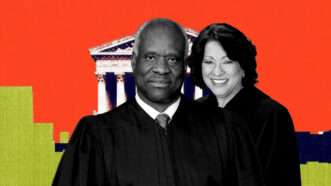
Plus: Jimmy Cliff, RIP.

The charges were dismissed without prejudice, so the Justice Department can try again.

A spending bill approved as part of the package that ended the federal shutdown aims to close a loophole that gave birth to $28 billion industry.
Could today's summary reversal be a sign of things to come?


By looking to the past, Democrats could chart a pro-freedom blueprint for their party’s future.
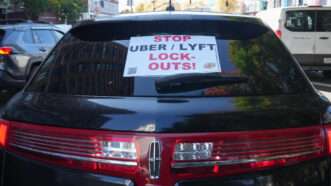
Even after the Prop 22 rebuke, California is pushing a system that could standardize schedules and undermine gig work.

Dozens of "shaken baby syndrome" convictions have been overturned over the years, but until now, no state court system has limited its use in criminal prosecutions.
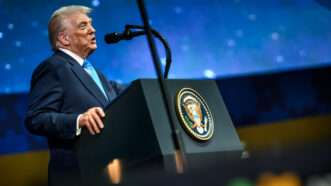
The president's authoritarian response to a video posted by six members of Congress, who he says "should be arrested and put on trial," validates their concerns.

Now, under Johnson's leadership, the House has changed its rules to make it even harder for lawmakers to signal their opposition to Trump's tariffs.
Blowing up boats won’t stop drugs—but it could sink Trump.

She's praised Nancy Pelosi, said Republicans aren't doing enough to make things affordable, and is generally making a lot of sense. That's weird, but also good.
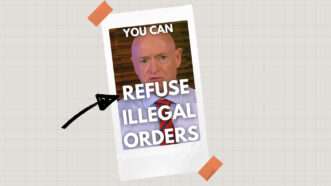
Much of what the federal government does on a daily basis flouts constitutional protections and offends human decency.
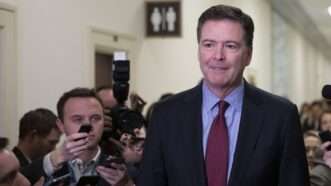
Interim U.S. Attorney Lindsey Halligan concedes that the grand jury never saw the "edited" version of the indictment.
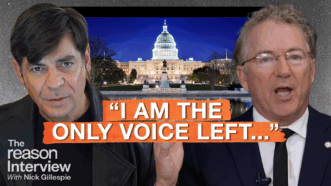
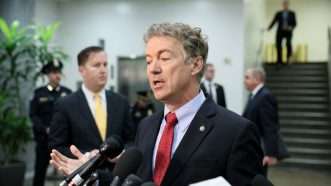
Sen. Rand Paul explains why he wants the Epstein files released, lays out his case against Trump’s tariffs and military strikes in Venezuela, and argues that he and Rep. Thomas Massie are the last voices in Congress still committed to libertarian ideals.

Plus: Ken Burns’ The American Revolution is worth your time.

The government can look at your phone records whenever it wants, but it's a different story when we're talking about his metadata.

"Once you have an ever-expanding system of entitlements that you can't afford, that's often the beginning of the decline and fall," says historian Johan Norberg.
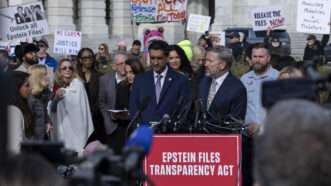
There probably is no “client list,” but the files could help answer some pressing questions—and open the door to more revelations.
A magistrate judge says the government’s missteps may warrant dismissal of the charges against the former FBI director.
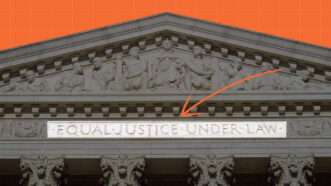
Remembering the legacy of a principled legal activist.
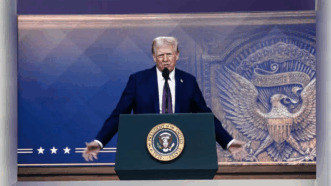
Trump's decision to reduce the tariffs on Swiss goods came just days after a Swiss delegation lavished the president with a variety of expensive gifts.

Congress justified that National Firearms Act of 1934 as a revenue measure—a rationale undermined by the repeal of taxes on suppressors and short-barreled rifles.

They say a grand jury would indict a ham sandwich. But failing to get indictments has been a hallmark of the second Trump administration.

Since long before Biden and Trump, presidents have been going to great lengths to keep their medical problems from the public.

The right to keep and bear arms occupies a curious place in American legal history.

The Trump administration's claims that illegal migration and drug smuggling qualify as an "invasion" or a "predatory incursion" under the Alien Enemies Act go against the major questions doctrine.

The appropriations bill, which the House is considering, would wipe out an industry that offers alternatives to cannabis consumers in states that still prohibit recreational marijuana use.
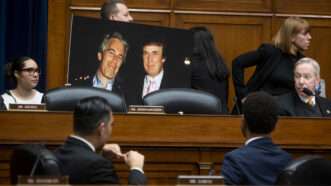
Congressional investigators released emails from the late sex trafficker discussing how to leverage his relationship with the future president.

The decision is consistent with the president's avowed concerns about "overcriminalization in federal regulations."
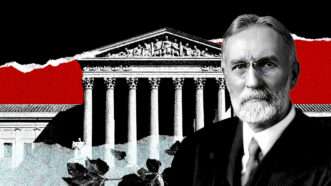
For the justices, the question is just how much deference the president deserves.
Plus: CCP lies about CPI, promising Trumpbucks from tariffs, and more...

You can’t legislate your way to prosperity.

Brandenburg v. Ohio established the "imminent lawless action" standard. More than 50 years later, partisans keep trying to apply it selectively.
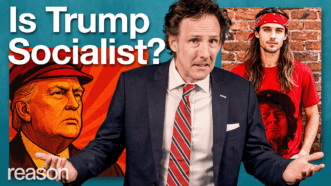
Donald Trump’s new stock-buying strategy isn’t socialism, but it is a step toward a government-controlled economy.
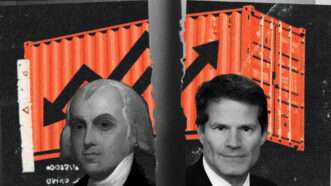
During oral argument at the Supreme Court, Solicitor General D. John Sauer cited a letter by James Madison that completely undermines the administration’s case that its tariffs are legal.
Overly strict or poorly designed rules could slow beneficial uses of AI in healthcare, education, infrastructure, and public safety.


Over the last decade, roughly one in every 10 dollars of budget authority has worn an emergency tag.
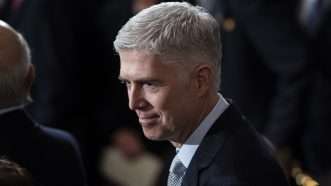
Plus: Outrage at Heritage, air traffic might get throttled, and more...
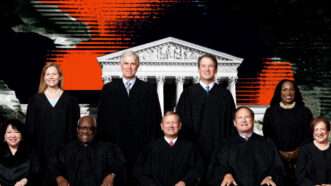
The legal challengers to Trump's tariffs had a good day in court.
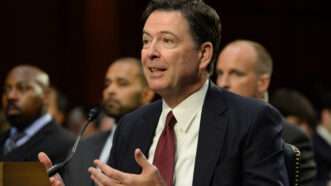
The government posits that the former FBI director tried to conceal his interactions with a friend who was publicly described as "a longtime confidant" and an "unofficial media surrogate."

Nations that moved air traffic control out of politics have better tech, no shutdown chaos, and stable funding. Congress keeps choosing dysfunction instead.
Celebrate your independence with a subscription to Reason magazine, your most trusted source of honest, insightful news and analysis.




