
3 Areas Where the Courts Pushed Back Against Trump's Attempts To Avoid Judicial Review in 2025
The president asserted broad powers to deport people, impose tariffs, and deploy the National Guard based on his own unilateral determinations.

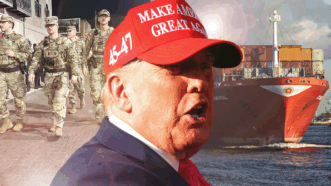
The president asserted broad powers to deport people, impose tariffs, and deploy the National Guard based on his own unilateral determinations.

An opportunity to work at the nation's leading libertarian think tank.

Presidents, legislators, and police officers were desperate to blame anyone but themselves.

Is unfettered majority rule actually a good idea for the left to embrace?
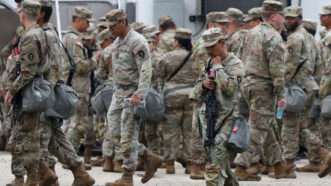
The justices suggested the president is misinterpreting "the regular forces," a key phrase in the statute on which he is relying.

As one of Mamdani's top advisers, Khan has been making a list of all the "authorities that the mayor can unilaterally deploy."

A recent White House proclamation further expands his previous travel bans, to the point of barring nearly all legal migration from some 40 countries. Legally, it further underscores that Trump is claiming virtually unlimited executive power to restrict immigration,a claim that runs afoul of the nondelegation doctrine.

The executive order does not accomplish much in practical terms, but it jibes with the president's conflation of drug trafficking with violent aggression.
Plus: Polymarket bets on when killers will be apprehended, how locking up phones saves high school, and more...
From immigration crackdowns to trade policy, the Trump administration is increasingly centralizing power in Washington, D.C.
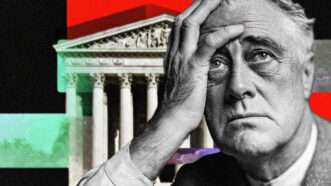
The Supreme Court should take a page from its own history.
Why the Executive Power Vesting clause of Article II compels a holding that the President has the power to remove Federal Trade Commissioner Rebecca Kelly Slaughter.
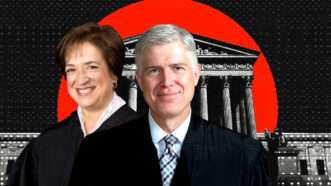
Plus: It's the final day of Reason's webathon.
On the eve of Trump v. Slaughter, the D.C. Circuit offers a way to distinguish Humphrey's Executor.
The Circuit's decision appears to invite the workaround of dividing responsibilities between two persons in the U.S. Attorney's Office, who could then each exercise half of that Office's powers.
The first appellate court to consider the Trump Administration's aggressive approach to U.S. Attorney appointments.
NRO's Andrew McCarthy on why strike on defenseless survivors of strike on drug boat was "at best, a war crime under federal law."
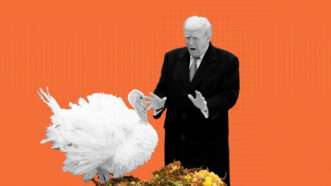
The president loves freeing people. His controversial clemency grants should not obscure the fact that the pardon power is incredibly important.
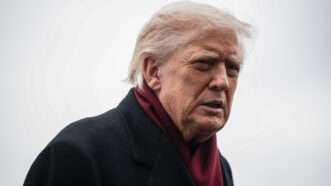
The president’s reaction to a supposedly "seditious" video illustrates his tendency to portray criticism of him as a crime.

A new biography presents Franklin Roosevelt as one of the greatest scoundrels of American political history.
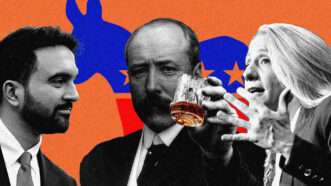
By looking to the past, Democrats could chart a pro-freedom blueprint for their party’s future.

Now, under Johnson's leadership, the House has changed its rules to make it even harder for lawmakers to signal their opposition to Trump's tariffs.
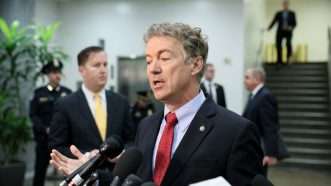
Blowing up boats won’t stop drugs—but it could sink Trump.
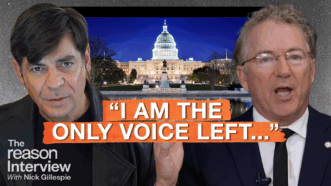
Sen. Rand Paul explains why he wants the Epstein files released, lays out his case against Trump’s tariffs and military strikes in Venezuela, and argues that he and Rep. Thomas Massie are the last voices in Congress still committed to libertarian ideals.
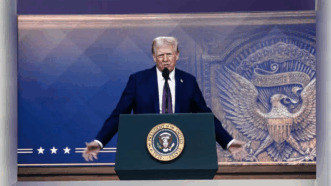
Trump's decision to reduce the tariffs on Swiss goods came just days after a Swiss delegation lavished the president with a variety of expensive gifts.

They say a grand jury would indict a ham sandwich. But failing to get indictments has been a hallmark of the second Trump administration.

Since long before Biden and Trump, presidents have been going to great lengths to keep their medical problems from the public.
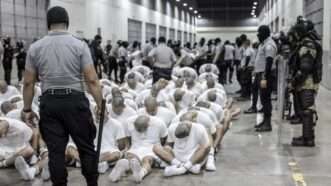
The Trump administration's claims that illegal migration and drug smuggling qualify as an "invasion" or a "predatory incursion" under the Alien Enemies Act go against the major questions doctrine.

The decision is consistent with the president's avowed concerns about "overcriminalization in federal regulations."
For the justices, the question is just how much deference the president deserves.
Donald Trump’s new stock-buying strategy isn’t socialism, but it is a step toward a government-controlled economy.
Plus: Outrage at Heritage, air traffic might get throttled, and more...
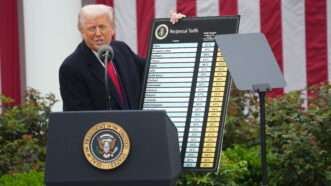
Trade deficits are not a "national emergency," and the president's import taxes won’t reduce them.

The former vice president liked being compared to the supervillain as a joke. But he had seriously villainous effects on millions of people in real life.
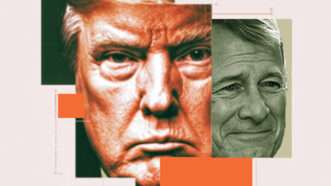
Learning Resources v. Trump will test both executive power and judicial fidelity.

"The Trump Administration's Department of War gave me an ultimatum: call up your troops, or we will," Gov. J.B. Pritzker said.
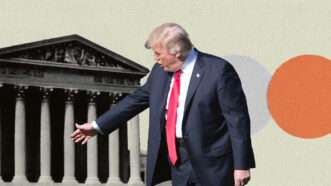
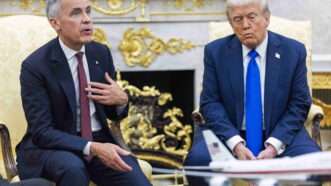
The Supreme Court is set to hear arguments in November on whether Trump's use of tariffs is constitutional.
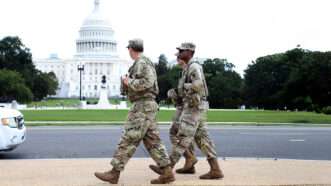
As of mid-2025, there were roughly 50 simultaneous national emergencies in force.

The president bet that no one would stop him from land attacks in Venezuela. And Congress hasn’t given him any reason to think otherwise.
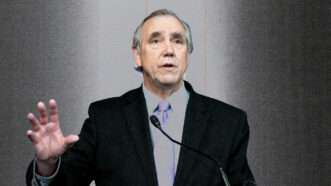
Trump’s presidency may have amplified executive power, but unless lawmakers roll back those powers—and the bloated government behind them—the next administration will do the same.
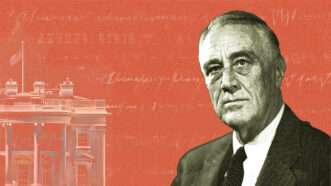
Long-ago debates about executive authority are not as distant as they might initially seem.
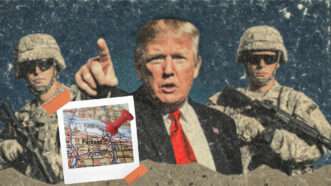
The decision “erodes core constitutional principles, including sovereign States’ control over their States’ militias and the people’s First Amendment rights,” Judge Susan P. Graber warned in her dissent.

The potential for deadly error underlines the lawlessness of the president’s bloodthirsty anti-drug strategy.
Will the Supreme Court grant Trump the overwhelming judicial deference he demands?
Plus: the “No Kings” protests, Trump pays troop salaries during government shutdown, and the continued bombing of drug boats in Venezuela
Celebrate your independence with a subscription to Reason magazine, your most trusted source of honest, insightful news and analysis.




