
Canada's Government-Dominated Health Care Chokes Access to New Drugs
Price controls and regulatory burdens make the market unattractive for pharmaceutical companies.


Price controls and regulatory burdens make the market unattractive for pharmaceutical companies.

A system that allows drug makers to profit from restricted access will never liberalize on its own—and patients will continue to bear the cost.
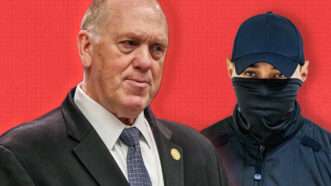
Homan's numbers are misleading, but even if they weren't, it wouldn't justify allowing an entire federal law enforcement agency to operate in anonymity.
An overzealous government agency suppresses medical innovation yet again.

The Break Up Big Medicine Act makes no mention of the laws and government programs responsible for consolidation of the health care industry.

Inflation is a silent tax—and the most painful way to finance government promises.
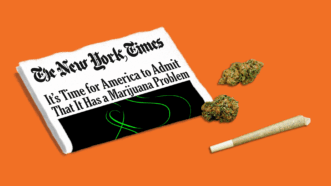
The newspaper’s plan to address marijuana abuse would compound the disadvantages that state-licensed suppliers face in competing with the black market.

The EPA under the Obama and Biden administrations invoked that finding to adopt strict and costly regulations aiming to reduce emissions.

Delphi-2M was trained on the world's most comprehensive biomedical database with health information from over 400,000 people.

Federal authorities should not be able to turn civil commitment into a life sentence for anyone the government deems inconvenient.

It seems likely the FDA would do well to accept more Bayesian reasoning in medical research.

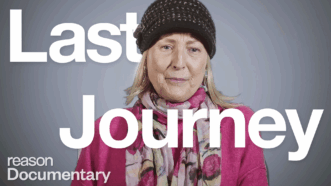
A new film tells the story of a cancer patient’s quest to confront the existential angst of dying by taking magic mushrooms.
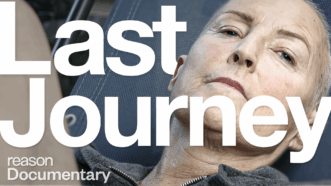
A new film tells the story of a cancer patient’s quest to confront the existential angst of dying by taking magic mushrooms.
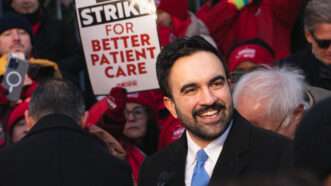
Zohran Mamdani had a chance to pursue health care reform in the New York State Assembly. He didn’t take it.

AI-powered medical wearables and software are flourishing following the FDA’s new regulatory guidance.
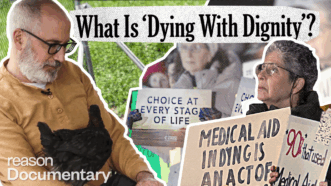
Is Medical Aid in Dying a fundamental right? Or a slippery slope toward state-supported suicide?
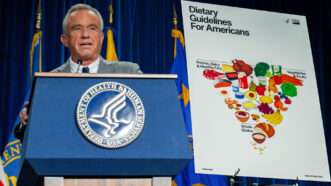
If progressives distrust Robert F. Kennedy Jr.’s vision of healthy eating, they should rethink giving the government control over grocery aisles.
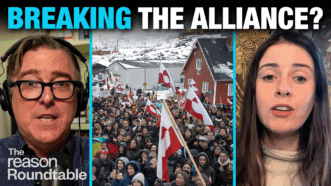
Plus: Threats of new tariffs on NATO allies, masked federal agents stir unrest in Minnesota, and Trump’s new health care proposal.

I didn’t really understand the power of Medical Aid in Dying until I received my terminal diagnosis.
Empowering patients is good. Let’s give them a lot more choice and independence.
The Department of Health and Human Services is launching a study apparently trying to find otherwise.

The real squeeze comes from government-distorted markets, not economic decline.
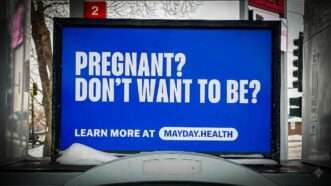
Mayday.Health ads that direct people to an informational website about abortion access are deceptive advertising and must be banned, the state argues. That’s unconstitutional, counters Mayday.
Medicaid fraud has been endemic at the state and federal levels for decades. Focusing on a single official or state misses a deeper lesson.

Instead of trying to tell people how much to drink, the new dietary guidelines take a better, more nuanced approach: "consume less alcohol for better health."
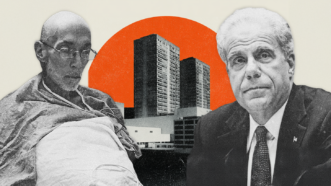
Frederick Bardell died from treatable colon cancer after waiting six months for a colonoscopy.
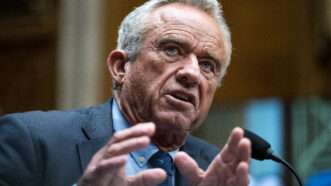
Plus: The difficulties of rebuilding trust in public health, Maduro's arraignment, U.S. threats against Greenland, and more...

While Europe and Asia have had Stellest glasses for years, the FDA finally approved them for the U.S. in 2025.

“Free” healthcare costs a lot in personal time and taxpayer money.

Federal Medicaid policy creates little incentive for states to stop potential fraudsters. Fixing that should be the priority, not demonizing Somali immigrants.

Plus: Homeownership myths and realities, discrimination at the theater, career diplomats brought home, and more...

Social insurance programs are compatible with a basic safety net. But what we have now is a slow-motion generational fleecing.


It's also not the whole story. Federal spending isn't falling and the private sector job market is stagnant.

A real affordability agenda would unleash free markets, not constrain them.

Depression and anxiety are declining, adding yet more complications to the anti-smartphone and anti–social media narratives.

The Senate failed to pass a three-year extension on tax credits for the Affordable Care Act. But the only thing keeping it at all "affordable" was a flood of taxpayer money to conceal its true expense.
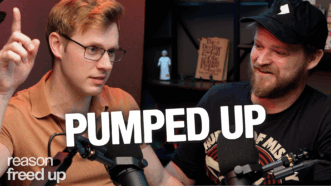
Robby Soave and Christian Britschgi bring you another episode of Freed Up where they talk about RFK Jr.'s airport pull ups, prison gangs, welfare fraud, Avatar, and the most based fonts.

In America, we judge people according to the content of their character, not the behavior of a narrow minority of their coethnics.

When voters believe they're living through an economic apocalypse, they're willing to embrace the very policies that would create one.
A new GAO report suggests the Affordable Care Act's health insurance exchanges are rife with fraud.

Why does the FDA want to regulate AI wellness apps?

The decision isn't a value judgment. It's a recognition that nursing school is usually cheaper than medical school.

A forgotten Guinness brewer's alternative approach could have prevented 100 years of mistakes in medicine, economics, and more.


The fight over dietary guidelines is just part of a broader trend: Government at every level wants a say in what Americans eat.
Celebrate your independence with a subscription to Reason magazine, your most trusted source of honest, insightful news and analysis.




