

Economics
A Wealth Tax Built on Billionaires Who Aren't Really Billionaires
Many entrepreneurs with high net worths don't actually have much cash. What bank lends $100 million against illiquid stock in young companies that may or may not succeed?
$40 Trillion and Parents' Night Out
Plus: ICE chillin', Moderna-Merck melanoma advances, and more...

Unionized Delivery Drivers Vs. Deliveries
Across the country, the Teamsters union is at war with companies trying to ship more things to your door for less money.
Congress Is Trying To Give Trump More Tariff Powers. He Wants Even More.
A bill to sanction Russia would allow the president to place 100 percent tariffs on goods from countries that buy Russian fossil fuels.
Who Pays for Medicare for All?
Plus: Democrats reckon with the rise of the DSA, Trump scales back America's military presence abroad, and the case for letting kids play outside

Open-Weight
Plus: "Blasphemous" talk in Texas, botox everywhere, ink on Mace, and more...
Trump's Assault on Judicial Review Undermines a Crucial Safeguard Against Tyranny
In one case after another, the president has tried to cut the courts out of the picture painted by the Framers.
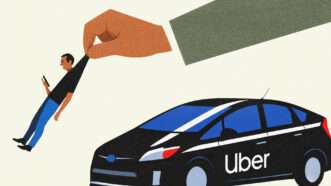
New Jersey Revives the Fight To Reclassify Gig Workers as Employees
California notoriously fought to do the same, which led to a slew of exemptions and job declines.

Ohio's Republican Governor Says Haitians 'Played a Major Role' in Springfield's 'Economic Comeback'
Gov. Mike DeWine's recent essay in The New York Times makes the case for a more open legal immigration policy.

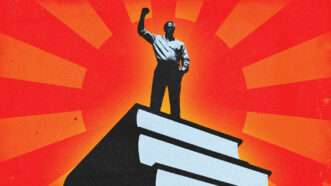
Socialists Claim Public Libraries Are Examples of Their Policies. Don't Believe Them.
Libraries aren’t all that socialist, and they’re far from the total state the radicals really want.
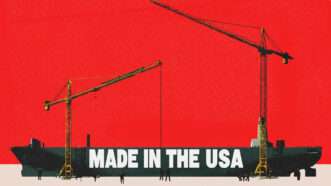
America Suspended the Jones Act. Americans Were the Winners.
In under five months, waiving the protectionist law opened up whole trade routes and sent fuel to areas that needed it. Why go back?

Government Regulations Are Keeping Drone Delivery Grounded
To fly a drone out of sight, you must get airline-level certification, which requires a lengthy approval process from the Federal Aviation Administration.

Rob Bonta's Paramount Crusade Could Make California's Hollywood Exodus Even Worse
California's attorney general is fighting a merger that 65 countries and the DOJ already cleared. Now, the state may lose thousands of jobs.

Are Socialists Actually Leaving Wokeness Behind?
Plus: the rise of affordability politics, Trump attempts to end birthright citizenship, and the Cambridge plagiarism controversy
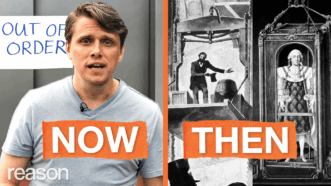
America Invented Elevators. Now We Suck at Building Them.
America’s elevator shortage is making housing more expensive, buildings less accessible, and cities less dynamic—all because of bad regulations and union protectionism.
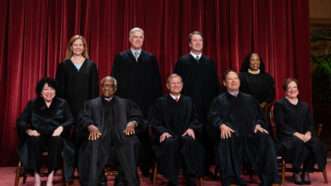
New Survey Data on Public Perceptions of the Supreme Court
A detailed Marquette Law School poll finds public views of the Court are modestly negative, but most major recent decisions enjoy majority public support.
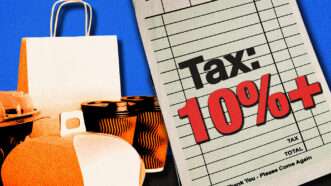
The 'Affordability' Agenda That Taxes Your Dinner
Food-related taxes are rising in popularity, though they hurt restaurants and customers—and may even fail as a revenue-raising tool.
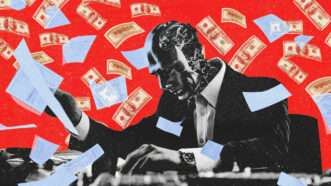
Democrats Want To Tax AI Companies for Job Losses That Haven't Happened
The proposed tax would rise with unemployment and fund a new federal jobs program—even though AI has yet to cause mass unemployment.
A Burrito Costs How Much?
Plus: The economy lost 23,000 jobs in July, inflation is outpacing wage growth, Trump is still mad about birthright citizenship, and more...

Can You Imagine a Future Where Adults Don't Believe in Socialism?
Only in a capitalist world can we live free and prosperous lives, even if it means that we're expected to show up to work on time.

The GOP Is Warning About Socialism While Quietly Embracing It
Federal ownership of private companies has become routine. And it is happening on the right, even as conservatives point fingers at the left for its socialism.

Francesca Hong's Hateful Holidays, Burrito Prices, and Woke 1.0
Robby Soave and Christian Britschgi cover all of the politically charged food takes of the week from Thanksgiving to burritos.
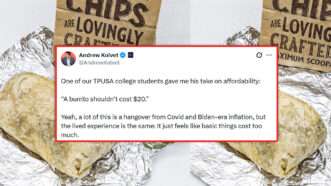
A Viral Tweet Set Off a Discourse on $20 Burritos. Here's the Truth About Inflation.
Americans are angry because everyday goods are much more expensive, and politicians think they should “stop whining.”
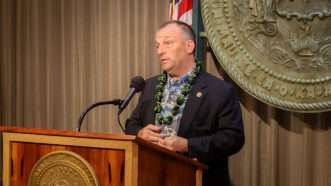
Hawaii's End Run Around Citizens United Faces a First Amendment Roadblock
A new Hawaii law reclassifies corporate political speech as a "power" the state can revoke at will.

Socialist Moment
Plus: right-wing burrito wars, a star scholar resigns, Fauci's pandemic phone, and more...
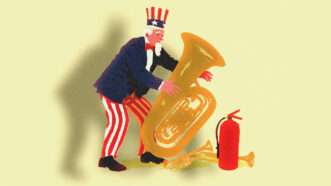
Trump's Newest Tariffs Could Protect America From the National Security Risk of Brass Instruments
An idea that's wildly out of tune at a time when Americans are trumpeting their worries about affordability.
Abdul El-Sayed Says He's Not a Socialist. His Policy Agenda Says Otherwise.
El-Sayed is pushing a mendacious claim: that people would be wealthier if they endured yet another massive transfer of money and power to a vast federal health bureaucracy.

Socialist Hugo Chávez Destroyed Venezuela's Power Grid. Now the Regime Hopes Private Capital Will Rebuild It.
The regime is paying lip service to undoing a policy that caused incalculable human suffering but is hesitant to relinquish control.

Socialists Are Trying To Take Hold of the Democratic Party—and They're Winning
The democratic socialists taking over the Democratic Party often say they just want affordable healthcare. They actually want to end America's constitutional system as we know it.
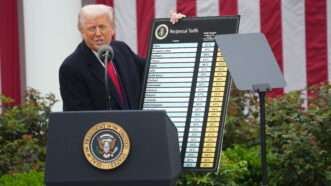
My New Dispatch Article on Trump's Section 301 "Forced Labor" Tariffs
The article explains why the new tariffs are harmful and illegal for many of same reasons as those invalidated by the Supreme Court.
Alex Nowrasteh on "Ten Democratic Socialists of America (DSA) Arguments for Socialism and Why They're Wrong"
An insightful critique of ten ideas advocated by leading American "democratic socialists."
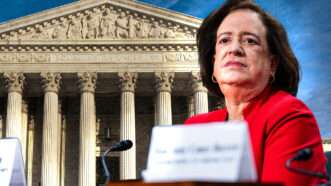
Elena Kagan's Warning to Progressives
The liberal justice wants the Supreme Court’s harshest progressive critics to chill out.
Prospective Legal Challenges to Trump's Section 338 Tariffs Against Canada
A guest post by Georgetown legal scholars Peter E. Harrell and Jennifer Hillman.
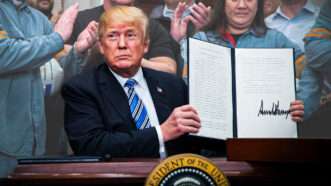
Trump Said Tariffs on Aluminum Would Boost Domestic Production. The White House Now Admits That Didn't Happen.
It's been more than eight years since Trump's first aluminum tariffs were imposed. How long do we have to wait before calling this a failure?

What Mamdani Can Learn From Hugo Chávez's Government-Run Grocery Store Debacle
Venezuela’s government-run grocery stores led to endless lines, empty shelves, quotas, and corruption.

Meet The Spice Entrepreneur Challenging Trump's Newest Tariffs
"There is no domestic alternative" for peppercorns grown in Zanzibar or herbs from the south of France, says Ori Zohar, the former Shark Tank contestant taking the administration to court.
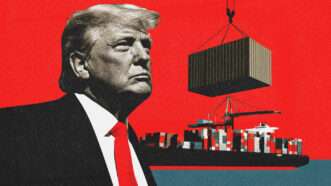
Trump's Tariffs Will Cost Each American Household $900 in 2026
The president’s protectionism has constituted the largest tax increase since 1993.

The Real Cost of Turning Away Foreign Talent
Researchers estimate that discouraging just one-third of international STEM graduates could leave the American economy 0.7 percent to 1.3 percent smaller—equivalent to losing the entire economy of Utah or South Carolina.
The Bond Market Is Unhappy With the Federal Reserve's Unwillingness To Fight Inflation
The 30-year U.S. Treasury bond just hit its highest yield level since 2007.
Economic Development Subsidies Create a Lot of Jobs—Mostly for Lobbyists
According to a newly published study, states that issued "extraordinarily large" economic development subsidies saw more lobbyists located in the state capital.
Why Capitalism Is the Most Moral Economic System
"Success comes from meeting the needs and wants of others," says businessman and publisher Steve Forbes.

Trump Keeps Pushing Legally Dubious Tariffs
The president's latest round of broad import taxes, like the previous two, treats his statutory authority as an afterthought.

People Have Got To Try Being Normal About Caitlin Clark, Sophie Cunningham, and the WNBA
Plus: Congress struggling to regulate college sports, looking at the economics of World Cup hosts, and why are golf shows all the same?
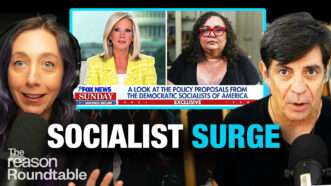
The Democrats Have a Socialism Problem
Plus: the DSA's policy agenda, Trump hits pause on Iran, and deregulating peptides

No, Remote Work Is Not Making Us Miserable
The rise of remote work is a tech success story, despite what one new and very convoluted study claims.
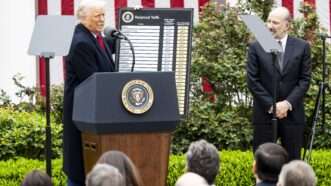
How Trump's Tariffs Undermine US Trustworthiness and Credibility—and What Can Be Done to Stop it
Economist David Hebert highlights an underappreciated danger of Trump's tariff mania. It's a serious problem, but one that can at least be mitigated.




