
Claudine Gay's Defenders Shot the Messenger
Harvard should pick someone with academic integrity as its next president.

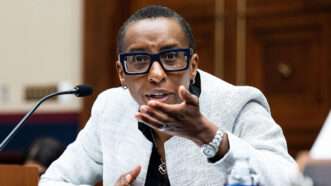
Harvard should pick someone with academic integrity as its next president.

The judge found that Food Not Bombs' activity was clearly expressive conduct under the First Amendment.

The essence of the case, the Manhattan D.A. says, is that Trump "corrupt[ed] a presidential election" by concealing embarrassing information.

From limits on liability protections for websites to attempts to regulate the internet like a public utility, these proposals will erode Americans' right to express themselves.
Among other things, posts that "target the plaintiff's reputation and cause her emotional distress" aren't covered by the Massachusetts harassment prevention order statute.
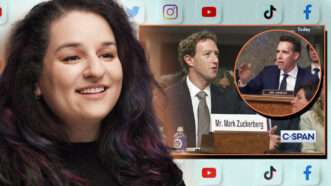
"None of these laws prevent kids from viewing anything. They just prevent kids from posting," argues Shoshana Weissmann.

Banning people under age 16 from accessing social media without parental consent "is a breathtakingly blunt instrument" for reducing potential harms, the judge writes.

Plus: Suozzimentum, gun factories, body-count discourse, and more...

An analysis of appeals involving the doctrine finds that less than a quarter "fit the popular conception of police accused of excessive force."

Plus: Aid for Ukraine, remote learning for 5-year-olds, intermittent fasting for Palestine, and more...
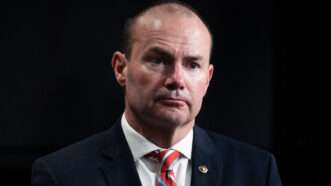
Sen. Mike Lee's "technological exploitation" bill also redefines consent.

A federal judge allowed a lawsuit against the officers to proceed, finding evidence of several constitutional violations.
"he might want to consider hiring an attorney to represent him in this case."
The jury found no real damages, but gave a sizeable punitive award that could be challenged on appeal.

Interest in virtual private networks provides insights into a global battle over digital freedom.

Rejecting a challenge to the state's strict gun laws, the court is openly contemptuous of Second Amendment precedents.
She also mistook the Adam in Michelangelo's famous painting for David.
The Biden administration's interference with bookselling harks back to a 1963 Supreme Court case involving literature that Rhode Island deemed dangerous.

The decision likens the federal law to Reconstruction era restrictions on firearms near polling places.
In some sense, the case seemed to hinge on what prosecutors wished the law said, not on what it actually says.
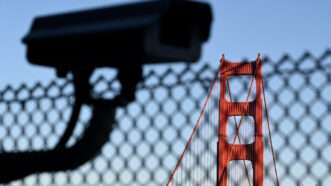
The surveillance yielded 49 arrests, of which 42 were for possession or sale of narcotics.

Plus: A listener asks if it should become the norm for all news outlets to require journalists to disclose their voting records.

Michigan jurors are considering whether Crumbley's carelessness amounted to involuntary manslaughter.
Food Not Bombs activists argue that feeding the needy is core political speech, and that they don't need the city's permission to do it.

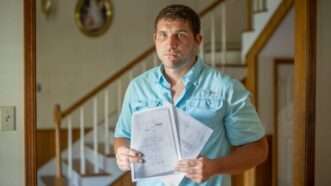
The verdict vindicates the constitutional rights that Louisiana sheriff's deputies flagrantly violated when they hauled Waylon Bailey off to jail.

A new letter from Sen. Ron Wyden (D–Ore.) reveals that the agency admitted the practice nearly three years ago but would not allow him to reveal it.
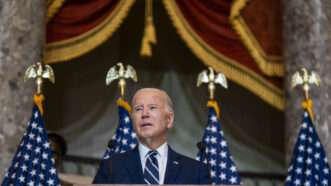
A watchdog group cites ATF "whistleblowers" who describe a proposed policy that would be plainly inconsistent with federal law.
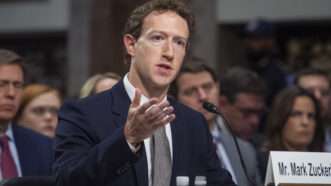
Republicans and Democrats are using emotional manipulation to push an agenda of censorship.

Disney has vowed to appeal the ruling.

The ACLU's lawsuit is filed on behalf of a New York man whose application to stay in a Ronald McDonald House was denied because of his 12-year-old felony assault conviction.
given that the University rejected the Chancellor of the Board of Governors' call for the SJP chapter to be deactivated.
Celebrate your independence with a subscription to Reason magazine, your most trusted source of honest, insightful news and analysis.




