America Was Not Founded by 'Tariff Men,' Contrary to This Painting in Trump's White House
Free trade is "a direct affront to our Founding Fathers," President Donald Trump said during his first presidential campaign.

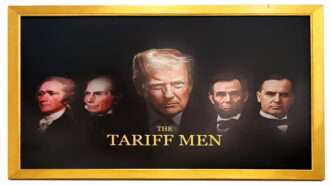
Free trade is "a direct affront to our Founding Fathers," President Donald Trump said during his first presidential campaign.

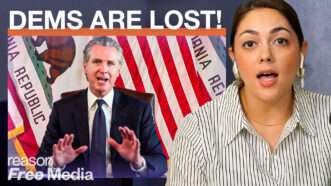
Robby Soave and Amber Duke discuss Gavin Newsom's turn toward socialism.
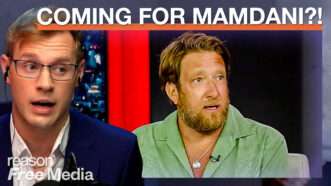
Could Dave Portnoy challenge Zohran Mamdani for mayor of NYC?

Raise the price of an activity and people do less of it or restructure how they report it. Mobility was never the sole issue.
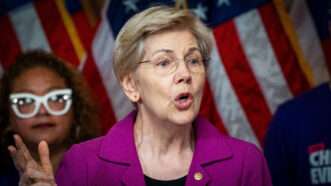
Her plan to fix Social Security's fiscal flaws would ask workers to cover the full cost. Some Republicans are supporting it too.
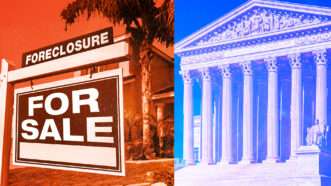
The Pung family of Isabella County, Michigan, maintained they were entitled to fair market value. The high court disagreed, but with a twist.
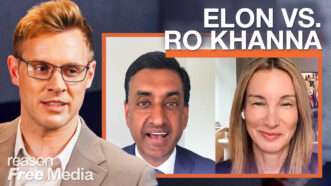
Robby Soave and Amber Duke discuss the recent online feud between Rep. Ro Khanna and Elon Musk.
The DOJ's unilateral abandonment of the Anti-Weaponization Fund "makes it crystal clear that these parties were never adverse," the former judges argue.
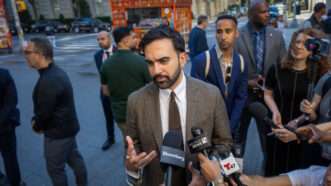
What’s a “fair share” of funding for a government that many Americans distrust?
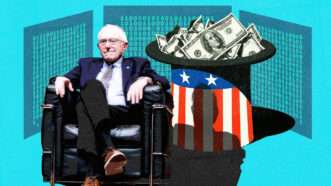
The Vermont senator's American A.I. Sovereign Wealth Fund Act would also create an entirely new regulatory regime for the tech industry.
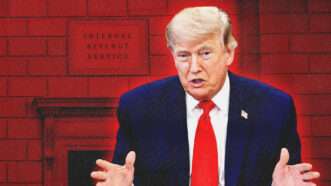
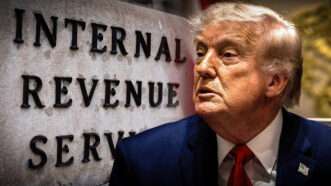
The sweet deal that resolved the president's fatally flawed lawsuit against the IRS was business as usual at the DOJ, his attorneys told a federal judge.
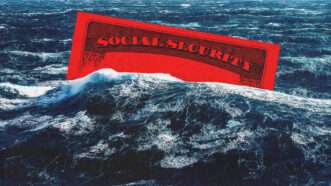
Social Security's approaching insolvency is usually talked about as a revenue problem. It's actually a spending problem.

Thomas Piketty's plan is a comprehensive program for global managed decline dressed up in the language of climate justice and equality.
The president himself has repeatedly contradicted that claim.
A lack of comprehension and sloppy language make a mess of a new tax scheme.
U.S. District Judge Leo Sorokin struck down the fee, saying it exceeds the president's statutory authority and violates the separation of powers.
The ruling relies in part on the Supreme Court's decision in the tariff case.
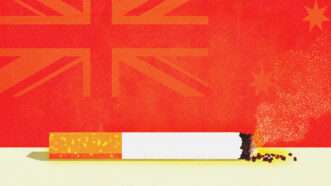
With cigarettes costing around $40 a pack, Australia’s war on smoking has become a case study in how prohibitionist policies create black markets, violence, and criminal power.
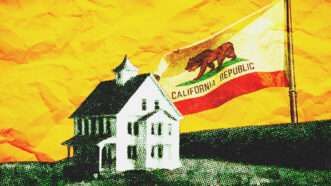
Conservatives want local control over housing policy, but they're happy to let the state restrict when local governments can raise taxes.
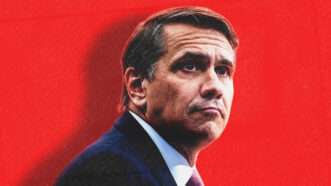
Blanche is happy to pervert justice in service of the president's personal agenda. No wonder Trump wants to keep him as attorney general.
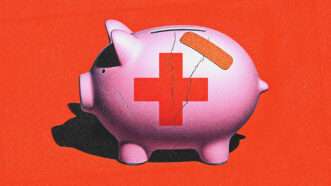
Vermont passed single-payer legislation in 2011 and abandoned the plan after three years of failure. Why?
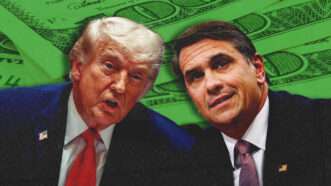
An addendum to the president's "settlement" of his lawsuit against the IRS shields him and his family from liability for any federal offenses they committed prior to May 19.
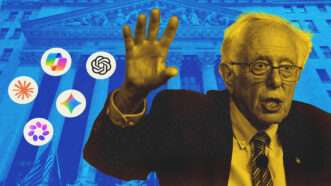
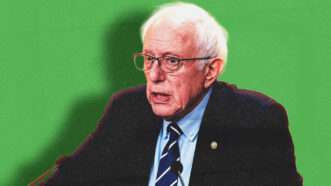
Sanders' plan would impose a one-time tax of 50 percent of AI companies' stock and give the government voting shares and the power to block corporate decisions.

Even as the White House backs away from its foolish tariff plans, the Trump administration keeps revealing why it should never have had these powers in the first place.
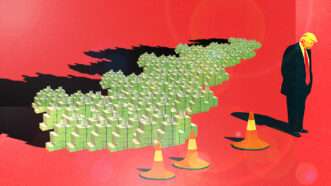
The Justice Department signals a retreat from defending the blatantly corrupt scheme, which provoked vigorous objections from Republican lawmakers.
One order temporarily blocks money for the president's "Anti-Weaponization Fund." The other asks whether the agreement is a fraudulent "product of collusion."

If the government does not reduce the cost of public services, then a special tax break for one group merely forces everyone else to pick up the slack.
One upcoming ballot measure would expand the state's taxing power. A lesser-known measure would limit it. Which will win?

A new Bears stadium and Gov. J.B. Pritzker himself stand to gain if the legislation passes.

The courts have an opportunity to legalize small-scale distillation, but taxes remain a problem.
Using taxpayer money to reward the president’s allies has nothing to do with the president's claims against the IRS.
Law professor Natasha Sarin debates the Cato Institute's Adam Michel.
Robby Soave and Christian Britschgi discuss Rep. Thomas Massie's defeat, Jeff Bezos' comments on taxes, and squatters in California.
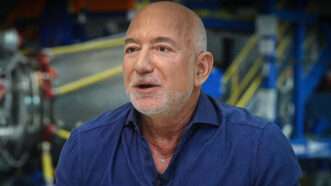
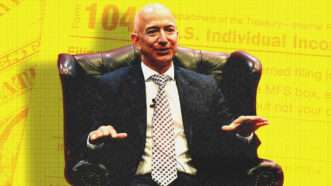
Before demanding more money from America’s wealthiest, lawmakers should account for the billions of dollars the federal government wastes each year.
Too many courts ignore the Eighth Amendment’s ban on excessive fines.
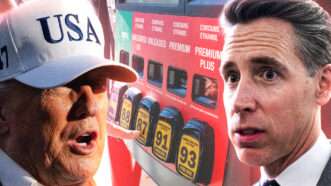
It was a bad idea when Biden proposed it, and it's a bad idea now that Trump is proposing it. Want lower gas prices? End the war.

Travelers make easy targets for revenue-hungry officials.
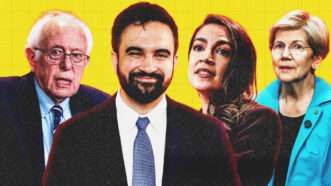
Are Jeff Bezos and other billionaires really evil just because they're wealthy?

The 6th Circuit upheld that 158-year-old law, while the 5th Circuit concluded it could not be justified as a revenue measure.
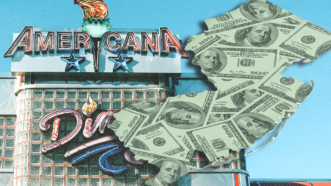
Democratic state lawmakers want to give tax carveouts to certain restaurants. The real problem is New Jersey's tax code itself.
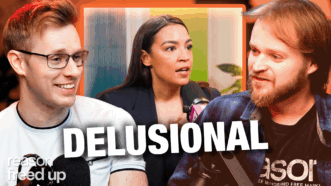
Robby Soave and Christian Britschgi tear apart AOC's belief that billionaires don't earn their wealth.
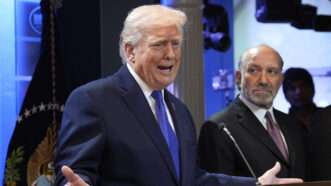
Trump's use of Section 122 ignored the plain language of the law and invoked a broad executive power where Congress clearly provided a narrow one.
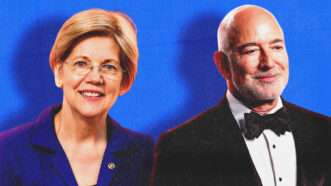
The rich pay more than their "fair share."
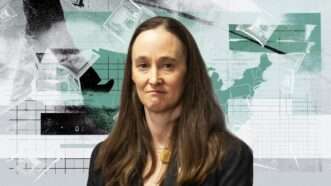
“Bye!” Mayor Katie Wilson says with a wave to those who want out.

A new bill would compel Meta, Google, and TikTok to pay for Australian journalism.
Celebrate your independence with a subscription to Reason magazine, your most trusted source of honest, insightful news and analysis.




