
Trump's Illegal War in Iran Is Financed by Your Taxes. That's a Good Reason To Stop Paying Them.
If Congress will not deploy the power of the purse to restrain a lawless administration and an illegal war, then it falls to the public to do so.

If Congress will not deploy the power of the purse to restrain a lawless administration and an illegal war, then it falls to the public to do so.

Plus: New York wants to tax second homes, water in the Dupont Circle fountain, Polish robots chase wild boars, and more...

Smuggled smokes account for more than a third of consumption in France and Ireland.
A noncomprehensive list
The ruling holds the law exceeds Congress' authority under the tax power and the Necessary and Proper Clause. But it does not consider the Commerce Clause.
It would be easy to wave it away and move on. But that's how the U.S. got in such a dire fiscal situation.

Plus: Mamdani vs. self-driving cars, blue state wealth and exit taxes, Hillary Clinton's awful affordability agenda, and more...
"For the first time since California came into the union," the publisher and businessman says, "they're having out-migration."

Attorney General Letitia James says they're a form of illegal gambling. But the state seems more interested in untaxed revenue than consumer protection.
The proposal is "an enormous waste of taxpayer dollars and would make Americans less, not more, safe." Thankfully, Congress is unlikely to adopt it.

Kathy Hochul’s proposed levy would deter smokers from switching to a much less dangerous habit.

The unpopular plan could do real harm by taxing safer alternatives at the same rate as cigarettes, discouraging smokers from quitting.
The Massachusetts senator fails to consider how her tax would harm middle class Americans and slow economic growth.
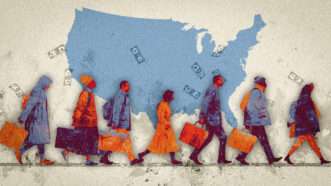
Increasing income taxes almost always results in less revenue and less economic activity.
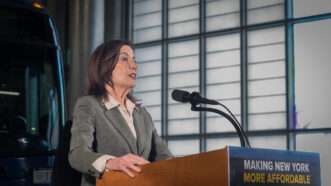
Hochul invited those who opposed her policies to leave. Many did. Now she wants them back.
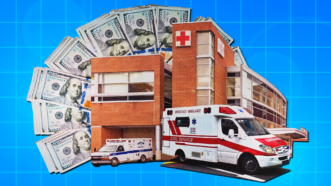
The state's funding crisis is driven by a third-party payment system in which roughly 90 cents of every American health care dollar is paid by someone other than the patient.
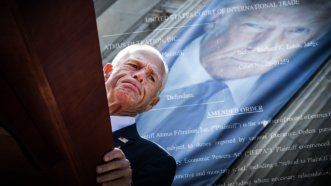
That’s roughly 12 whole days of government spending.
The problem is not that the government collects too little. It's that the government spends too much.
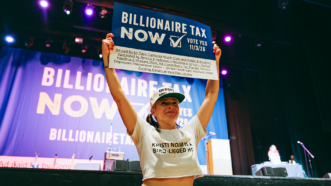
"If Californians approve this measure in November, they may discover too late that the wealth they hoped to tax has already left the state—with jobs and economic opportunities not far behind."

The employer insurance exclusion has chained workers to their employers, practically eliminated consumer price sensitivity, and suppressed wages.

Even if the refunds are made, business owners say they won't cover all the additional costs created by Trump's chaotic trade policies.
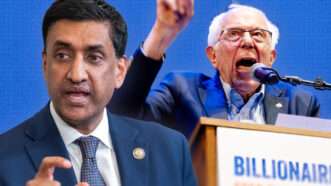
The senators are ignoring the predictable consequences of their wealth tax.

The Trump administration is trying to avoid paying refunds after illegally collecting $175 billion from its emergency tariff scheme.

A transfer tax on high-value real estate transactions is reducing the number of homes on the market and limiting new construction.
American businesses and consumers absorbed nearly 90 percent of the 2025 tariffs' economic burden, the Federal Reserve Bank of New York found.

Taxing new housing will always reduce housing production.

There are many laws that explicitly authorize the president to impose taxes on imports, but they include limits that Trump was keen to avoid.
Washington has enjoyed decades of spectacular economic growth as a direct result of the absence of state income taxes. The new measure threatens to change all that.
Inflation is a silent tax—and the most painful way to finance government promises.
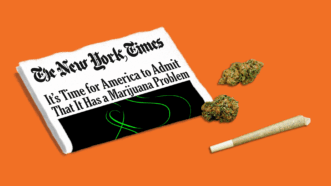
The newspaper’s plan to address marijuana abuse would compound the disadvantages that state-licensed suppliers face in competing with the black market.

People don't like property taxes—but they are also not eager to cut the government services they fund.
Across advanced economies, they have repeatedly been narrowed or even repealed after delivering disappointing revenue, tax avoidance, capital flight, and costly administrative battles.
Proposals sold as targeting extreme wealth would fundamentally change how Americans are taxed—turning any ownership into a recurring liability for the middle class.
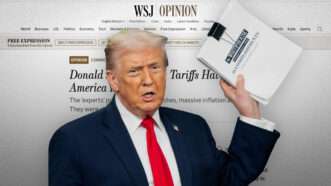
The president's article in The Wall Street Journal is wildly misleading.
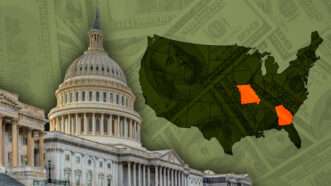
A new report warns that some plans for replacing income tax revenue rely on unrealistic assumptions.

“If we stop funding all sports stadiums tomorrow, then the world wouldn't change hardly at all," says one economist.
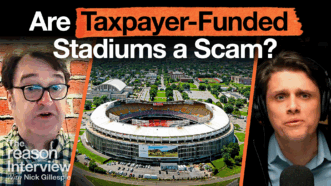
Economist J.C. Bradbury breaks down why taxpayer-funded stadiums are a bad idea, how team owners market them to politicians, and why another stadium building boom may be coming.
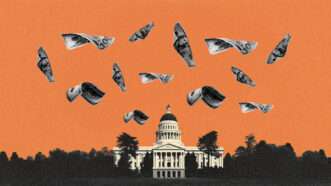
The proposed tax is already driving people and businesses to flee the state.
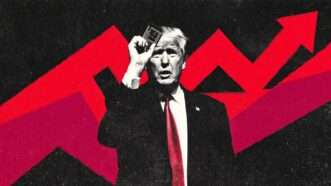
The order imposes duties on China-bound AI chips if chipmakers don't invest in American semiconductor fabrication.

"I will not allow a generation of smart and capable young women to sell their bodies online," said Republican gubernatorial hopeful James Fishback.
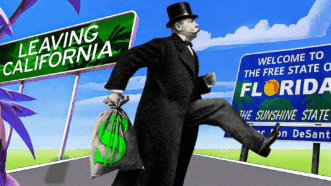
The wealth tax would discourage investment and likely lower tax revenue for California.
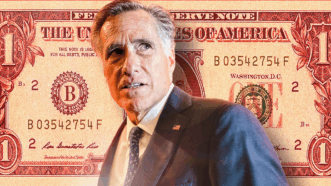
Yes, the status quo is unsustainable. But Romney's proposed solution risks making those problems harder to fix while foreclosing opportunities for the next generation.
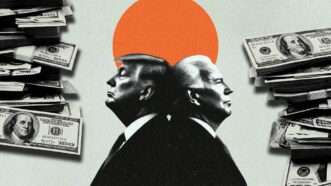
From COVID-19 lockdowns to Biden's inflation and Trump's tariffs, bad things have happened when economics are sidelined in policymaking.

In addition to its symbolic significance, rescheduling the drug will facilitate research and provide tax relief to state-licensed cannabis suppliers.
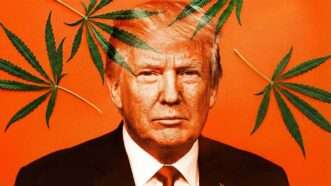
The long-awaited move will facilitate medical research and provide tax relief to the cannabis industry, but it falls far short of legalization.
Celebrate your independence with a subscription to Reason magazine, your most trusted source of honest, insightful news and analysis.




