
Price Controls Don't Work. So Why Do So Many Democrats and Republicans Love Them?
Price controls are seductive because any benefits are highly and immediately visible, while their grave costs are often harder to spot.

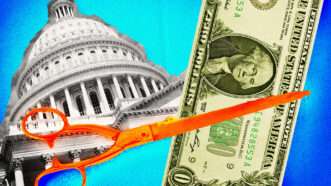
Price controls are seductive because any benefits are highly and immediately visible, while their grave costs are often harder to spot.
Americans with upper, middle, and lower incomes are all better off today than in the 1970s or 1990s, new CBO data shows.

Axel Kaiser discusses Latin America’s political realignment, the battle over culture, and why libertarians need to talk about virtue.
In an exclusive interview with Reason, Anthony Scaramucci identifies three Washington decisions that helped fuel the anger that Trump harnessed.
Anthony Scaramucci discusses how China’s rise, the War on Terror, and the 2008 financial crisis fueled populist anger.

By quickly endorsing Trump's ridiculous plan to bribe voters in the midterms, J.D. Vance reveals something about the future of Trumpism. There isn't one.
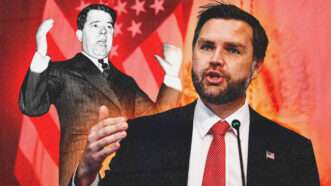
Long's motto, "every man a king," was not a call for individual sovereignty. It was a populist pitch for wealth taxes and a more powerful government.
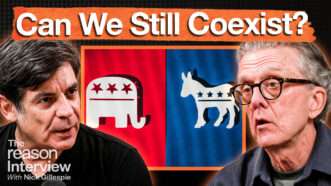
Kurt Andersen discusses the politicization of everyday life, generational conflict, and whether markets have failed younger Americans.
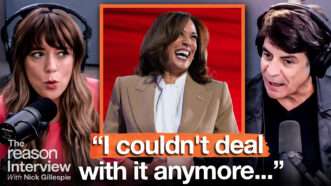
Evan Barker discusses the Democratic Party's growing disconnect from working-class voters, the realities of political fundraising, and the future of populism in America.

He ran a MAGA-style campaign in a nation beset by partisan violence. Will he make Colombia freer or more authoritarian?
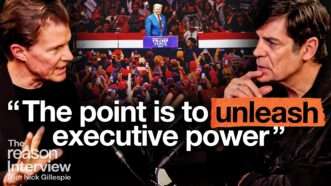
Johan Norberg discusses what makes societies prosperous, why protectionism and nostalgia keep returning, and how populism feeds cultural decline.
Polling shows angry voters are prepared to reject the establishment in elections to come.

From trade to migration to personal freedom, the conservatives of the global New Right hold a philosophy incompatible with individualism.
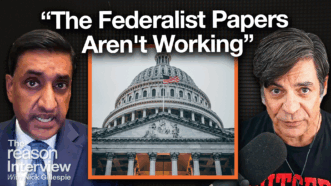
The California congressman discusses the Iran war, unchecked executive power, California’s wealth tax debate, and the search for a shared American identity.
The reversal wasn't because the economics changed. It is because their biggest shareholders turned toward industrial policy.
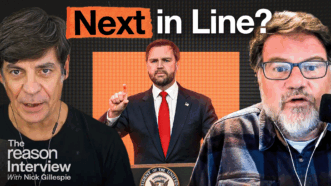
Jonah Goldberg discusses the Iran war, Trump’s governing style, the rise of the populist right, and why he believes the GOP is drifting away from conservatism.
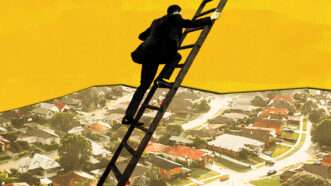
The real squeeze comes from government-distorted markets, not economic decline.
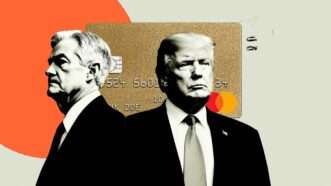
No one likes high interest rates on credit cards and loans, but artificially lowering interest rates via executive power is not a solution.

You don't need a detailed theory to explain the departing congresswoman's journey.
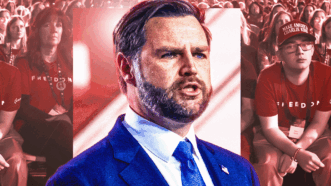
Is the party heading deeper into the right wing fever swamps?
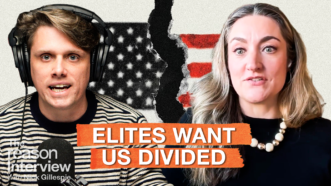
Lauren Hall looks at the roots of political tribalism, why voters feel trapped between false choices, and how radical moderation offers a way out of constant polarization.

America was not founded to be a theocracy and it should not strive to become one.

The strange new alliance between democratic socialists and nationalist populists isn't a sign of political healing. It's a sign that people have lost their grip on basic economics.

When voters believe they're living through an economic apocalypse, they're willing to embrace the very policies that would create one.
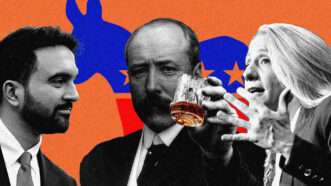
By looking to the past, Democrats could chart a pro-freedom blueprint for their party’s future.
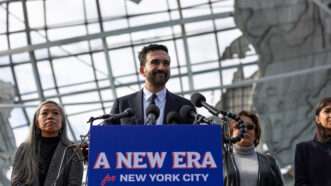
Using the mighty power of government to…make stadium hot dogs cheaper? It's one of many ways Khan's petty populism could be coming to New York City.
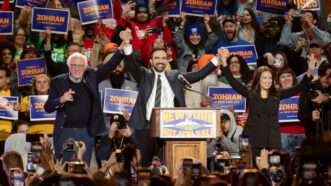
What political insurgencies can teach us about major parties
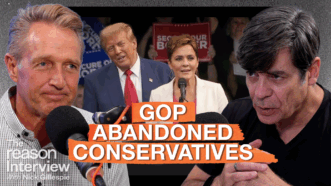
Former Sen. Jeff Flake discusses how Trump reshaped the GOP, why populism betrayed conservative values, and why he believes the system can still be reformed.
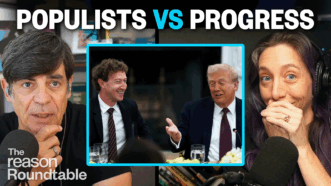
Plus: a weak jobs report and Trump’s economic record, New College of Florida weighing privatization after its clash with DeSantis, and the DOJ pushes to block transgender Americans from gun ownership
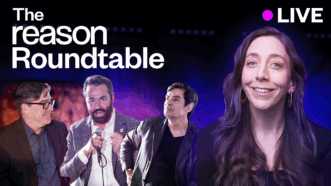
Tune in on July 15 at 6:20 p.m. Eastern to hear four co-hosts' unflinching critiques of the latest in politics, culture, and whatever fresh hell awaits us all.
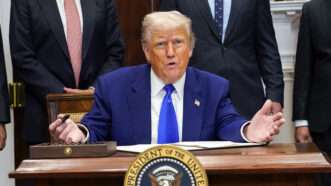
The administration shows no coherent commitment to free market principles and is in fact actively undermining them.

A historian tries to tie two classical liberal economists to the racialist right, and scrambles their words in the process.

A new book explores the legacy of the Report on Iron Mountain, while another probes the life of the novelist and essayist Robert Anton Wilson.
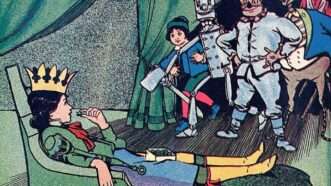
Long before Wicked came along, America's homegrown fairyland was filled with politics.
The key reason America is so prosperous is because it has been the world's beacon of liberty, welcoming to immigrants and open to trade.

Populism’s pronoun usage taps into the darker elements of the human condition.

From 9/11 to the COVID-19 pandemic, crisis moments keep reshaping the political landscape.
Plus: A listener asks the editors about Project 2025.
The New Right talks a big populist game, but their policies hurt the people they're supposed to help.
Vance's vibes are Trumpian but also traditional—a potent and dangerous combination.
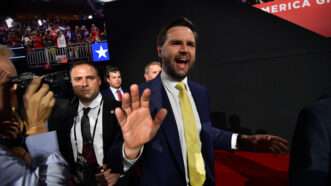
If voting was the solution to the ills of America's working class, wouldn't it have worked by now?
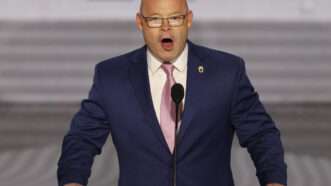
The high-profile fight with UPS didn't improve working conditions as much as O'Brien promised.
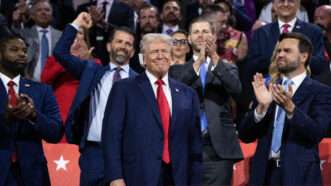
Plus: Classified documents case dismissed, 1968 all over again, venture capitalists finally get representation, and more...
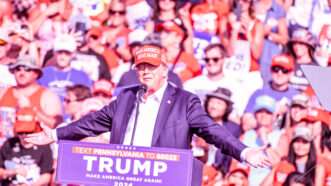
Plus: Is Biden fit to be president today, let alone stand for reelection?

Can the candidate turn crowd-pleasing nostrums into a program that will do more good than harm?

The U.S. flirtation with populism barely holds a candle to the situation across the Atlantic.
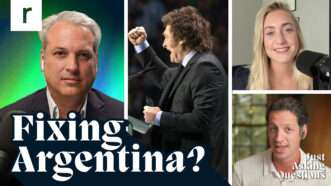
The Cato Institute's Ian Vasquez recently organized a conference in Argentina featuring President Javier Milei. He gives an update on the presidency.
Celebrate your independence with a subscription to Reason magazine, your most trusted source of honest, insightful news and analysis.




