
DHS Spokesperson Tricia McLaughlin Goes Out at the Top of Her Game
McLaughlin made a habit of flinging accusations against people that were later proven false by video evidence or never resulted in criminal convictions.


McLaughlin made a habit of flinging accusations against people that were later proven false by video evidence or never resulted in criminal convictions.
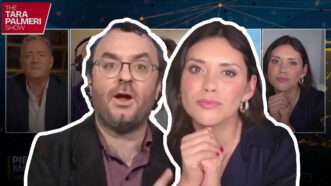
Tara Palmeri insinuated that Michael Tracey disagrees with her because he's paid by Epstein associates. That's a lie.
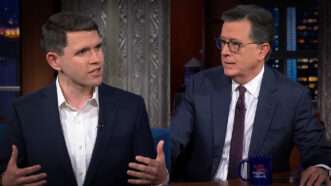
If anything, the incident just provided further proof that the equal-time rule should be abolished.
"My wife and I have received many threatening and malicious emails, texts, and voicemails the past several days."

China's "national security law" was perfectly tailored to zero in on someone like Lai, who vigorously pushed for democracy, freedom of speech, and government reform in Hong Kong.
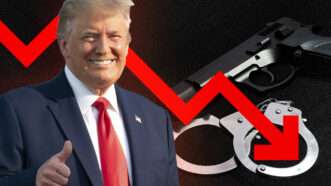
2025 is on track to have the largest drop in the murder rate in recorded history.
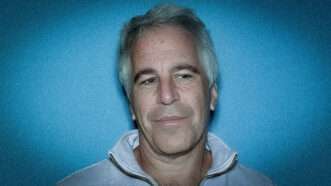
"This type of broad reveal of criminal investigative files, released to a rabid media, will absolutely result in innocent people being hurt," warned Clay Higgins.
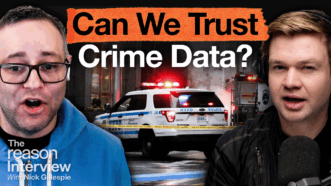
Crime analyst Jeff Asher explains the historic decline in murders, why Americans distrust crime statistics, and what the data actually show about public safety.
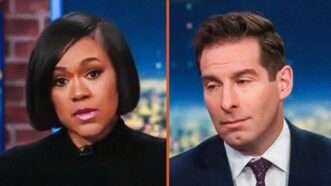
This was straight-up debunked.

Agents seized devices and data but already had what they needed to prosecute the leaker.
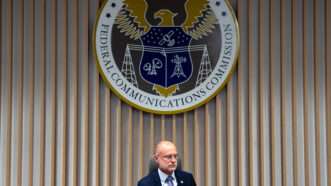
The constitutionally anomalous status of broadcasting invites government meddling.
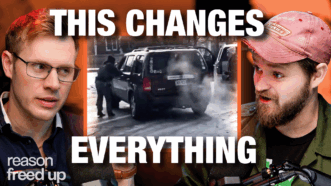
Robby Soave and Christian Britschgi are back this week to break down how 2026 has somehow already gone off the rails.
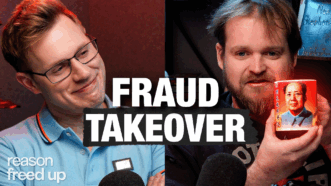
Robby Soave and Christian Britschgi discuss Nick Shirley's viral video about Minnesota day care fraud, then dig deeper into how Tim Walz has little respect for American taxpayers.

When the media say the middle class is in decline, they're technically right—because people are getting richer.
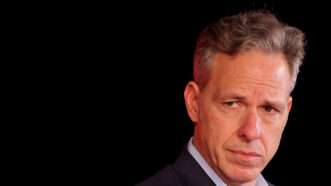
"Once a president establishes for himself that he has a shiny toy, good luck getting that toy ever wrested away from whoever the president is," the CNN anchor tells Reason's Nick Gillespie.

The self-made tycoon was convicted this week of violating Hong Kong's "national security" law. But he could have escaped it.
Everyone is panicking about media consolidation. No need to worry—we have a solution.
Double your giving pleasure NOW to keep the libertarian flagship libertarian.

And now we're announcing a new $30,000 match!
Make your tax-deductible gift to Reason's annual webathon today! Starting NOW, your next $50,000 are matched!
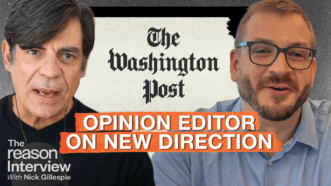
The Washington Post opinion editor Adam O’Neal outlines his vision for a more classically liberal editorial voice, examines how both parties turned against free speech and free markets, and explains why the paper is ending political endorsements.
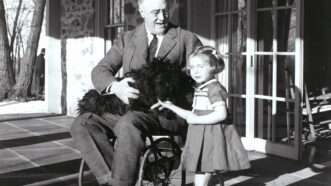
Since long before Biden and Trump, presidents have been going to great lengths to keep their medical problems from the public.

"I have not seen ever before a direct infringement on the right to free speech like that," CNN's Jake Tapper says of the Trump administration's actions in the Jimmy Kimmel saga.
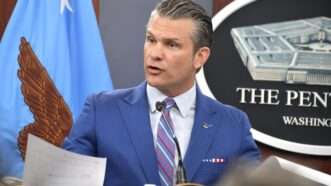
The military establishment’s efforts to quash leaks could encourage them instead.

Fully peaceful protesters who hate President Donald Trump with intensity but not much specificity took to the streets on Saturday.
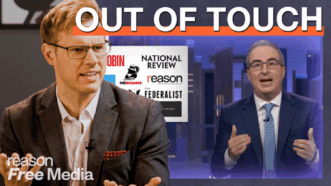
The default in mainstream media isn't no opinion, it's his opinion.

Media consolidations are not drying up the well of discourse; it's overflowing with takes.
The Trump Administration's recent abuses of the agency's powers lend weight to longstanding libertarian arguments for abolishing it, going back to Nobel Prize-winning economist Ronald Coase's classic 1959 article.

Plus: America's cocaine habit, how Charlie Kirk handled South Park, and more...
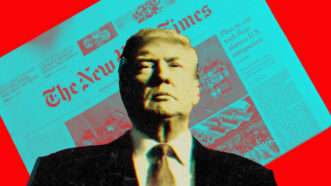
The complaint suggests the Times showed "actual malice" because its reporters hated him. That's not how that works.

The company's value was plummeting long before it nixed the "Old Timer" from its logo.

"They suspected the house was being used as a school," notes the Times, in a moment of high drama, "and they were right."

Nearly three weeks in, it's getting difficult to remember what everybody was so mad about—or if more than a handful were ever mad at all.

It shouldn't matter whether NPR leans right or left. Cutting its federal funding was the right move.
Plus: Trump’s "woke AI" order, Gawker’s cultural legacy, and a listener question on deregulation and the BBB.
Politicians' interest in controlling the content you see shifts from public media to social media.

The success of "contingency management" belies the notion that addiction is an uncontrollable disease caused by a drug's impact on dopamine levels.
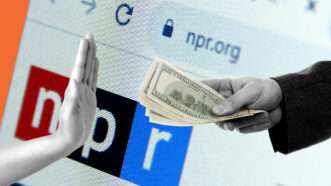
The notion that NPR can somehow become unbiased is about as believable as the IRS sending you a fruit basket to commend you for filing your taxes.
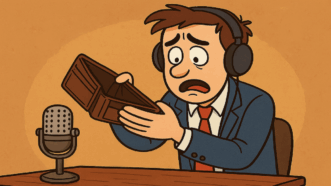
The Senate just voted to cut off the Corporation for Public Broadcasting. What comes next?
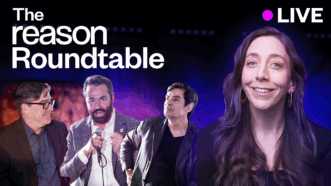
Tune in on July 15 at 6:20 p.m. Eastern to hear four co-hosts' unflinching critiques of the latest in politics, culture, and whatever fresh hell awaits us all.

There's no evidence that cuts to the National Weather Service impacted the response to the weekend's tragic flash floods.
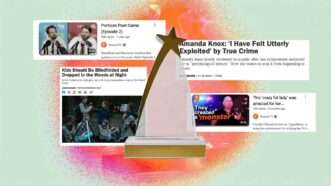
First-place finishes include a piece on the Dutch "dropping" rite of passage, a documentary exploring citizen journalism and free speech, and a long-form interview with exoneree Amanda Knox.
Plus: A case for gambling freedom, the NHL’s tax dilemma, and a soccer movie.

Mario Guevara built a following covering immigration arrests around Atlanta. Press freedom groups say police frivolously arrested him while he was covering a "No Kings" protest.
Independent media is where regime-change apologia goes to die.
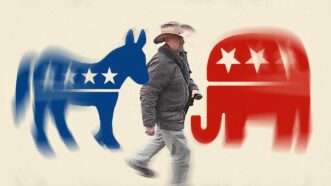
After Vance Boelter allegedly targeted Democrats in an attack, some conservatives jumped to claim that he was actually on the left. Why?
Celebrate your independence with a subscription to Reason magazine, your most trusted source of honest, insightful news and analysis.




