
Virginia Votes To Overturn Lifetime Voting Ban for Felony Offenders
Virginia's Question 3 passed by a comfortable margin, ending more than 100 years of felon disenfranchisement in the state.

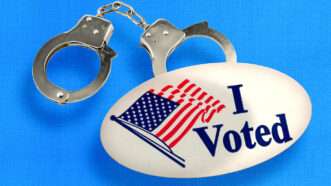
Virginia's Question 3 passed by a comfortable margin, ending more than 100 years of felon disenfranchisement in the state.


For hundreds of years, a felony has been defined not by the action itself but by how we punish it.

Paul Erlinger was sentenced to 15 years in prison based largely on a determination made by a judge—not a jury.

Rather than destruction of property, Wendell Goney was convicted of possession of a firearm as a felon.

Lakeith Smith's case epitomizes the issues with the "felony murder" doctrine.
Plus: Ex-felons and the right to vote, Gavin Newsom's plan to cap oil company profits collides with reality, and more...

When I was young, I assumed government would lift people out of poverty. But those policies often do more harm than good.
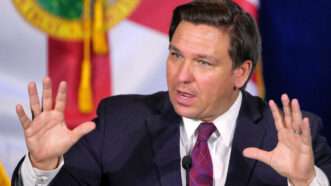
The messy rollout of a constitutional amendment restoring voting rights to felons is now creating more felony crimes.

A change in Tennessee’s definition of a firearm allows for felons to own a gun provided it was manufactured before 1899.

Incarcerated people are already paying their debt to society. What good does it do the rest of the population to take away their right to have a say?

Justice Sonia Sotomayor has some concerns.

Allen Turner didn't know his business was illegal until it was too late.

He faces a reelection challenge from the left, with Cynthia Nixon running on criminal justice issues like pot legalization.

The state uses a panel of partisan officials with absolute discretion to determine who gets to vote again
Does conviction for a crime mean a permanent ban?


New from Reason: a look into what Javier Milei has accomplished and what it will take to make the most of Argentina’s window for real change. Out now for subscribers.

