
No More Tariffs on Asian Olympic Dragons!
Robby Soave and Jason Russell celebrate the SCOTUS tariff news before pivoting to the politics of the Winter Olympics.


Robby Soave and Jason Russell celebrate the SCOTUS tariff news before pivoting to the politics of the Winter Olympics.

China's "national security law" was perfectly tailored to zero in on someone like Lai, who vigorously pushed for democracy, freedom of speech, and government reform in Hong Kong.

The Trump administration is reportedly moving to ban TP-Link routers, but experts say they're no less secure than other devices.
Past societies tried to regulate their way to stability. But it came at a great cost.
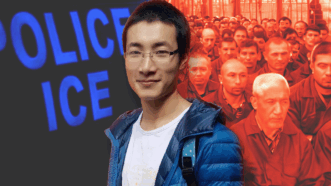
This is likely the result of the massive public outcry supporting Guan. But Trump continues to deport other dissidents and victims of persecution back to their oppressors.

The self-made tycoon was convicted this week of violating Hong Kong's "national security" law. But he could have escaped it.
The Trump administration has not made a convincing case for why it is buying stakes in these companies—and why these companies in particular, rather than others.

The administration has sought to deport numerous dissenters back to their oppressors.
U.S. immigration authorities should not do the bidding of the Chinese Communist Party.
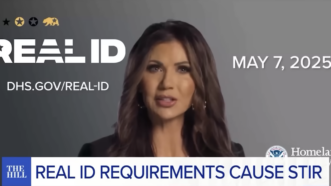
Proponents say such IDs will make life easier and protect kids from dangerous content. But opponents worry they will make you much easier to target.
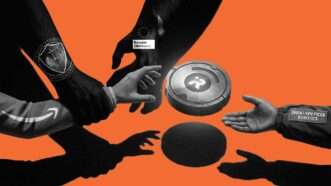
The only thing the Federal Trade Commission and European Commission succeeded in doing was transferring ownership of iRobot from an American company to a Chinese one.

The version of the NDAA passed by the House is larger than the administration’s budget request.

American farmers exported more than 26 million metric tons of soybeans to China annually during Biden's term. Trump's deal with China would cover less than half that amount.
Why make the government a middleman in the chip war?
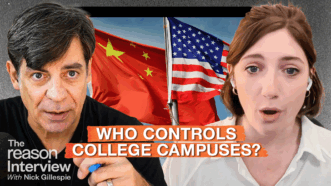
Sarah McLaughlin reveals how foreign governments pressure American universities through speech codes and satellite campuses, and examines the broader threat international authoritarianism poses to free expression.
Shadi Hamid’s The Case for American Power implies that true interventionism hasn’t been tried.
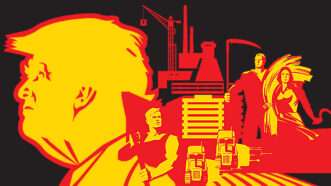
The Trump administration's pivot toward socialism did not come without warning.

In Trump's first term, he exempted many Chinese toys and household items from tariff hikes. This time, they're subject to a 30 percent import tax.
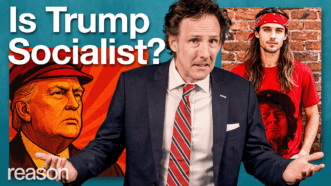
Donald Trump’s new stock-buying strategy isn’t socialism, but it is a step toward a government-controlled economy.

I have long advocated using May 1 for this purpose. But November 7 is a worthy alternative candidate, which I am happy to adopt if it can attract a broad consensus.
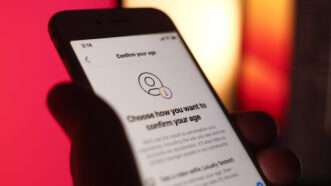
By forcing government ID verification for AI tools, Congress risks censoring everyday digital services and driving young Americans to unsafe overseas platforms.
The administration's legal brief reveals a critical contradiction in Trump's trade policies.
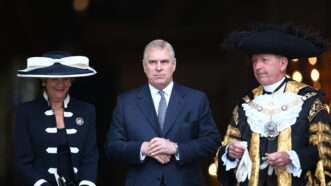
The two scandals, which Reason helped link, proved too much for the British royal family.

The pie-in-the-sky space system promises to be a government spending bonanza—and might be a very bad idea.
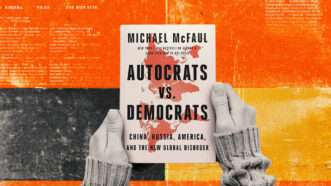
Michael McFaul's new book feels like it was written in 2015, not 2025.
Plus: James Comey indicted, some New York schools stripped of funding, NATO being tested, and more...

Mike Waltz is no longer national security adviser, but his plans for Bagram Air Base seem to have stuck in the president's head.
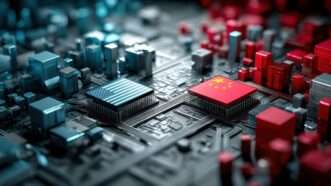
Tucked into the defense bill, the GAIN AI Act would force Nvidia and other firms to prioritize domestic sales at the cost of global competitiveness.

Plus: Curtis Sliwa hit piece, China's military parade, Florida's vaccine mandates, and more...
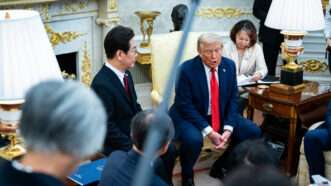
Is this another example of Trump's inability to understand why global trade is good for America, or does it suggest something even more serious?
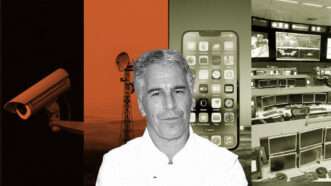
Leaked emails show Epstein’s attempts to dabble in security tech—across borders—in the last years of his life.
Plus: War Department, government ownership stake in Intel, National Guard members become cleaning crews, and more...
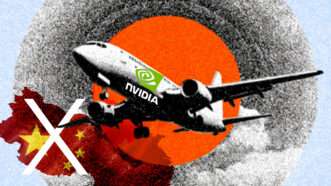
U.S. authorities are secretly tracking shipments of advanced AI chips from manufacturers such as Dell, Super Micro, Nvidia, and AMD to prevent their illegal diversion to China.
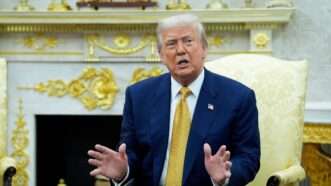
The words national emergency are not a magic spell that presidents can utter to unlock unlimited legislative powers for themselves.
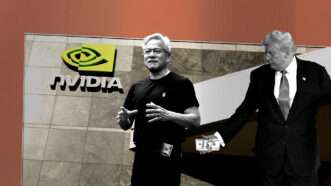
The Trump administration will allow Nvidia and AMD to sell chips in the Chinese market—in exchange for 15 percent of their revenue.
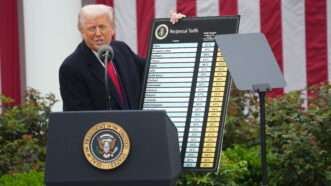
Plus: Guardian Angels corruption, an insane free-range kids story, and more...

"I walked the entire length of the New York subway system above ground. I've always been into walking," says the author of the Chris Arnade Walks the World newsletter.
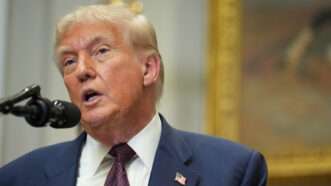
Canada accounts for a tiny percentage of fentanyl smuggling, which cannot be stopped by trying harder.

As the Dalai Lama turns 90, China prepares to name a rival successor. But the spiritual leader’s soft power has already thwarted Beijing’s efforts to erase Tibet’s identity.
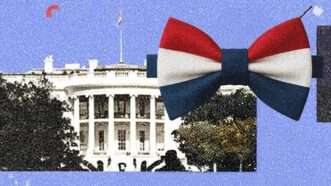
Scenes from a trade war.
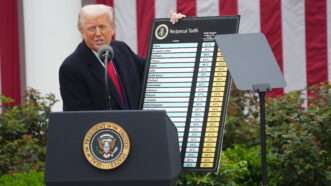
The trade deficit is getting bigger, the deals aren't coming, and foreign investment has declined.
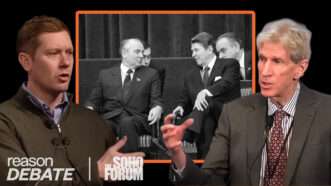
The American Enterprise Institute's Hal Brands and investigative journalist Gareth Porter debate the necessity of the Cold War.
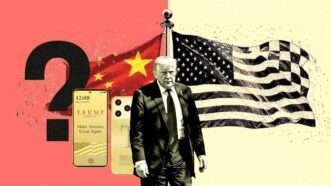
The Trump Organization says the phone is domestically manufactured, but its hardware—and a statement from Eric Trump—suggest otherwise.
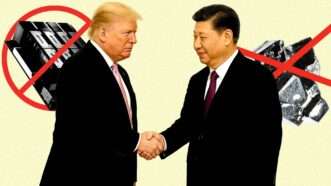
Triple-digit bilateral tariffs have been brought down to double digits. Negotiations on semiconductors and rare earth elements will continue.

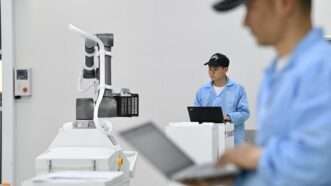
A new comprehensive review finds the negative effects of trade with China have been significantly exaggerated.
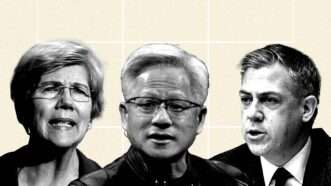
Complying with export regulations should build trust between Nvidia and Congress, not erode it.

When anyone can have an air force, superpowers aren't as powerful as they used to be.
Celebrate your independence with a subscription to Reason magazine, your most trusted source of honest, insightful news and analysis.




