
Nancy Pelosi Championed a Hong Kong Dissident. She May Have Doomed Him.
American politicians who cooperate with foreign activists, whether individual or institutional, often do more harm than good.


American politicians who cooperate with foreign activists, whether individual or institutional, often do more harm than good.
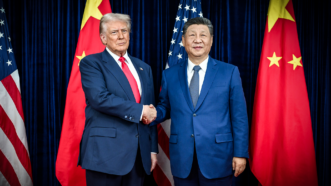
China does present some real national security challenges. But the Trump administration's policies have made it harder to address those, all while damaging American prosperity.

It was a direct result of President Donald Trump's trade war, as even the Department of Agriculture now admits.
Anthony Scaramucci discusses how China’s rise, the War on Terror, and the 2008 financial crisis fueled populist anger.
Anthropic's CEO wants federal regulation that would slow down AI (and his competitors' innovations). Has that ever worked?
The Trump administration’s strategy for the Export-Import Bank could repeat the mistakes of China’s failed Belt and Road Initiative.

Watch Reason's Robby Soave and YouTube commentator Destiny debate the origins of COVID-19 live on September 9 at 2 p.m. Eastern time.

Overpopulation panic is sooooo 20th Century! Welcome to the era of depopulation dread.

"If there are Flock cameras in your city, they are tracking, logging and sharing your movements without a warrant," warns the ACLU.
The U.S. military is downsizing exercises in South Korea and pulling its last aircraft carrier out of the Pacific.

Plus: "Blasphemous" talk in Texas, botox everywhere, ink on Mace, and more...
An insightful critique of ten ideas advocated by leading American "democratic socialists."
Plus: Baby bust affects college enrollment, migrants flood into Spain, I'm writing a book, and more...
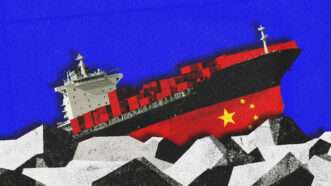
A new bipartisan bill would ban manufacturers from selling cars in the U.S. if more than 15 percent of shares are Chinese-owned.

Researchers estimate that discouraging just one-third of international STEM graduates could leave the American economy 0.7 percent to 1.3 percent smaller—equivalent to losing the entire economy of Utah or South Carolina.
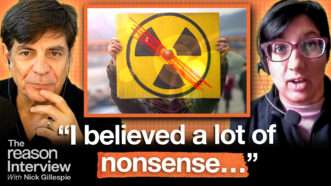
Zion Lights discusses what environmentalists get wrong about nuclear power and why abundant energy is key to human prosperity.

Hasan Piker and the Democratic Socialists of America are recycling failed ideas.

This year's World Cup has largely avoided the stadium subsidies, forcible displacement of people, human rights violations, and other evils historically associated with the event.
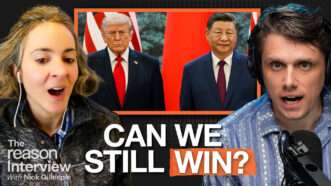
Economist Soumaya Keynes discusses Trump’s tariff policies, how China changed the global economy, and why trade wars require restraint.
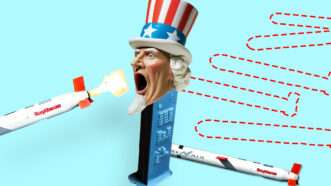
After burning through interceptors in the Iran war, the U.S. faces a dire math problem: Enemies can build drones faster than America can build missiles.
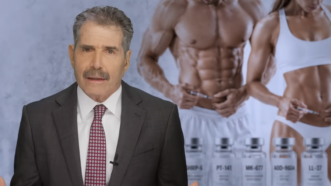
Because the agency has banned most peptides, products from overseas labs dominate the market. How does that protect Americans?
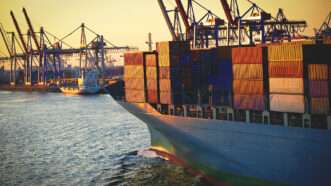
When businesses in other countries produce more goods than their domestic markets can use, is that a conspiracy against America? Of course not.

A market-friendly ruling party, abundant energy, and ample talent could jumpstart a new tech hub in the Himalayas.
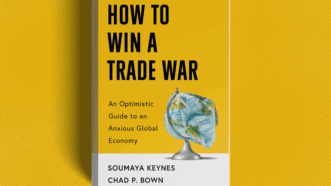
The only winning move is not to play. But if you must, a new book offers some suggestions.

Though some of their products may have been redirected elsewhere, American farmers are likely eating most of the losses.
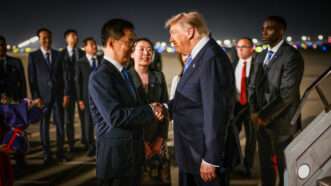
The administration is avoiding conflict with China to focus on war in the Middle East. Taiwan’s democracy hangs in the balance.
"A primary aim of censorship is to normalize itself," Ai Weiwei writes in his new book On Censorship.
Johan Norberg discusses what makes societies prosperous, why protectionism and nostalgia keep returning, and how populism feeds cultural decline.

As the Cultural Revolution turns 60, here's a look back at some of the fantasies that people projected onto it—and at one moment of possible prescience.

Plus: Chinese relations, far-right extremists, Yale discriminated, and more...
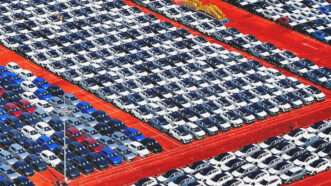
Chinese cars are cheap and widely popular, but Americans can't buy them.

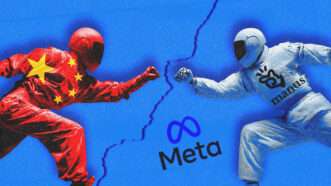
China ordered Meta to roll back its acquisition of AI startup Manus on Monday.
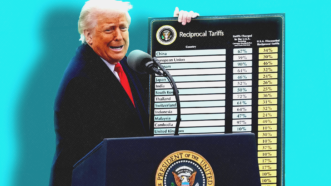
However, the tariffs did shift supply chains away from China and towards other countries with low-cost manufacturing, like Vietnam, Malaysia, and India.
Emma Ashford discusses Trump’s incoherent Iran strategy, the failures of post–Cold War foreign policy, and why a multipolar world limits American power.


A brash bid to reassert U.S. dominance is delivering short-term wins. But a region tired of being pushed around may not stay compliant for long.
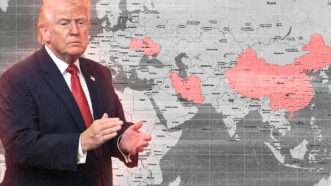
The president’s attempt to manage the consequences of the war is adding wrinkles to his diplomatic goals in Ukraine, China, and other countries.

America once dominated the rare-earth market, but permitting requirements are holding the industry back.
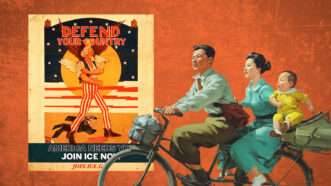
Population control is technocratic hubris at its most intimate and brutal.
American businesses and consumers absorbed nearly 90 percent of the 2025 tariffs' economic burden, the Federal Reserve Bank of New York found.
A drop in seizures doesn't necessarily mean a decline in the supply.

The evidence tells a different story than you’ll find in the party's triumphant propaganda.

Plus: How to win the medal count, and how Free Agent readers want to fix the Olympics

Robby Soave and Jason Russell celebrate the SCOTUS tariff news before pivoting to the politics of the Winter Olympics.
Celebrate your independence with a subscription to Reason magazine, your most trusted source of honest, insightful news and analysis.




