Two Cheers for Abundance Liberalism
This emerging school of thought has its flaws. But it's a potentially valuable ally for libertarians and other free market advocates.


This emerging school of thought has its flaws. But it's a potentially valuable ally for libertarians and other free market advocates.

Plus: skyway socialism, reconsider the lobster, D.C.'s urban growth, and more...

"The New Deal made investment in America a risky project," says economist Donald J. Boudreaux, author of The Triumph of Economic Freedom.

What Idaho's slew of zoning reforms says about YIMBY politics and policymaking in the states.

California politicians’ policy choices are making the state unaffordable and unattractive.

The administration's goal to lower prices is a good one, but officials don't actually have a plan to make it happen.


A popular revolt against state-led zoning reform in Colorado, Massachusetts' contradictory approach to housing supply, and how municipalities lobby to kill housing.

Red tape issued by bureaucrats outstrips the impact of legislation.

A recent string of zoning controversies show how land use regulations have become the enemy of all good things.

The government's new rule reverses a Biden-era anti-contracting directive and returns to a more contractor-friendly posture. But will this tug of war ever end?

"It shouldn't be this hard to give birth safely in the state of Alabama, and it doesn't have to," said the ACLU's lead counsel on the case.

"Why should somebody else have this right to decide the direction of my own life?" asks Timothy Sandefur, author of the book You Don't Own Me.

The British Empire evacuated the Chagos Islands to build a military base, which the U.S. is using in the Iran War. Now, a court ruling is giving the original owners hope of going home.

Plus: D.C. considers single-stair reform, Idaho legalizes starter homes, and Florida bans discrimination against manufactured housing.

It argues that the right to use property is central to both the value of property rights generally, and the property rights protected by the Takings Clause of the Fifth Amendment.

But only if politicians learn to focus on the boring basics of aviation policy.

How America's old-age entitlement system became a sprawling lifestyle-subsidy program that steals from the poor to give to the rich.

The case could give the Court a chance to clarify what a "closely regulated" business is and what constitutional protections it enjoys.

Plus: The "Montana miracle" wins one last court battle, D.C.'s "devastatingly unambitious" growth plan, and your Fourth Amendment right to refuse federal housing vouchers.

Plus: An effective build-to-rent ban advances in Congress and Florida expands one of the country's most successful zoning reforms.

This regulation didn't make anyone safer but it did make it harder to build nuclear energy projects in the United States.

Gov. Mikie Sherrill called Big Tech worse than Big Tobacco before proposing measures to regulate social media platforms.
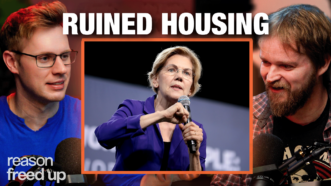
Robby Soave and Christian Britschgi return to discuss yet another bad idea from Elizabeth Warren and if the war in Iran will end sooner rather than later.

Plus: bad arguments in favor of a build-to-rent ban, a tanker plane crash kills four in Iraq, signs the Iran war isn't going so well, and more...

Many states have deregulated hair braiding, but Louisiana lawmakers want to tighten regulations by demanding more coursework, including on the ancient origins of braiding.

The Senate's proposed inclusion of an effective ban on build-to-rent housing in a bipartisan housing bill could significantly shrink new home production.
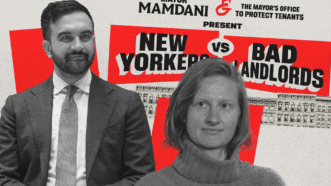
Demonizing landlords might make for good social media, but it does nothing to reduce the regulations that make New York housing so expensive.

The federal government slashed the annual cap of refugee intake to the United States by 94 percent last year.

A new bill could make Maryland "the most restrictive environment in the country," warns one doctor.
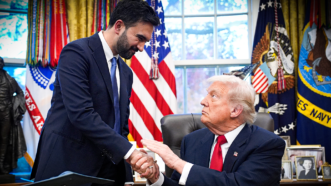
Plus: New Jersey property owners survive an eminent domain attempt based on bogus blight allegations, a corporate homebuyer ban is slipped into Congress' housing bill, and the true cost of permitting in L.A.

Stephen Miller's wife is giving renewables a P.R. boost.

A transfer tax on high-value real estate transactions is reducing the number of homes on the market and limiting new construction.

The world is growing simultaneously more corrupt and bound in red tape. That’s not a coincidence.

Most of the discussion was focused on the wrong issue. What matters under the Takings Clause is not the "fairness" of the process by which the owner's house was taken, but whether he got adequate "just compensation."

Large investors are a small, beneficial presence in the single-family home market.

Taxing new housing will always reduce housing production.
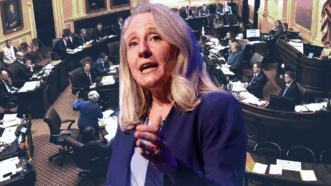
The legislation would almost certainly lead to a higher cost of living in the form of substantial tax increases.

What's a "tax the rich" mayor going to do when he can't actually tax the rich?

Plus: Zohran Mamdani's rent rip-off hearings exclude public housing tenants, Boston Mayor Michelle Wu is a "yes" on rent control, and the intersection of zoning and qualified immunity.

The Break Up Big Medicine Act makes no mention of the laws and government programs responsible for consolidation of the health care industry.

But the numbers are a long way from a veto-proof majority, so Wednesday's vote may be a purely symbolic victory for free traders.


The EPA under the Obama and Biden administrations invoked that finding to adopt strict and costly regulations aiming to reduce emissions.

Plus: The House passes housing reform, Florida advances ADUs, and Zohran Mamdani hosts show trials for bad landlords.

A Kentucky proposal to legalize cigar bars bucks the trend of prohibitionist tobacco policy.

The Trump administration excludes advanced nuclear power reactors from excessive National Environmental Policy Act requirements.

Allowing more homes to be built on existing residential land would be good for homeowners, homebuyers, and homebuilders.


New from Reason: a look into what Javier Milei has accomplished and what it will take to make the most of Argentina’s window for real change. Out now for subscribers.