
Tariffs Are Changing the Game
Plus: Guardian Angels corruption, an insane free-range kids story, and more...

Plus: Guardian Angels corruption, an insane free-range kids story, and more...
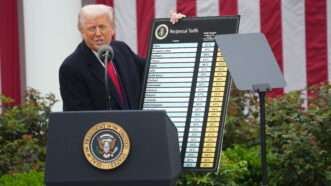
The president is claiming "unbounded authority" to impose import taxes based on a law that does not mention them.
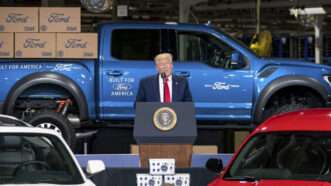
That should put an end to the Trump administration's silly talking point about how there is no tariff for products built in the U.S.

Plus: The economic impact of tariffs, ethics concerns around Trump’s foreign business dealings, and a listener question on NCAA deregulation
Plus: IVF about-face, Corporation for Public Broadcasting to shut down, and more...
President Trump’s invocation of emergency powers to impose tariffs faces skeptical judges.
Canada accounts for a tiny percentage of fentanyl smuggling, which cannot be stopped by trying harder.
If so, then why postpone any enforcement until October?

Plus: DOGE postmortem, Mamdani's checked out, C.S. Lewis' wisdom for our digital age, and more...

American chocolatiers need imports, and tariffs help no one.
Outcomes are hard to predict. But the judges seemed skeptical of the administration's claim that the president has virtually unlimited power to impose tariffs.

It makes the case for strong judicial review of executive invocations of sweeping emergency powers.
To win in court, the Trump administration will have to argue against a pair of legal theories that conservatives have spent years developing as a way to check executive power.
And if Trump moves ahead with his threatened August 1 tariff hikes, prices will climb even more.
Plus: Wealthy parents appease their zoomer socialist children, public broadcasting gets saved (by private donors), and more...
In each case, tariffs remain much higher than they were before the deals.
The 10 percent baseline reciprocal tariff rate was bad for America; the 15 percent rate is even worse.

Trump believes he can deploy tariffs without tradeoffs or distortions. In reality, each new tariff move creates both.

Plus: Columbia settles, State Department releases murderer, and more...
I participated along with Andrew Morris of the New Civil Liberties Alliance.
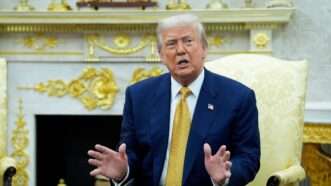
Not only does it raise taxes on American consumers, but it leaves American automakers at a distinct disadvantage relative to their Japanese competitors.

The case raises many of the same issues as our case against Trump's "Liberation Day" tariffs.
What is the relationship between Trump's tariffs and the rest of the economy?
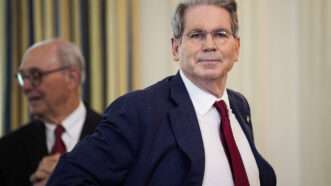
Collections represented a surge in imports trying to beat higher rates—with a slump to follow.
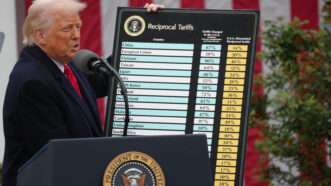
The president has spent six months promising to make everything more expensive, and polls show that Americans have noticed.
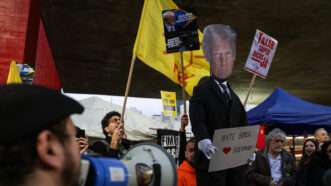
Brazil’s judiciary has abandoned neutrality, with sweeping crackdowns on speech and political rivals. A U.S. tariff response signals the crisis has gone international.

According to one analyst, the U.S. would need between 42,000 and 250,000 more acres growing tomatoes to replace Mexican imports.
Plus: Zohran Mamdani's brilliant plan, Google monopoly claims fall flat, and more...
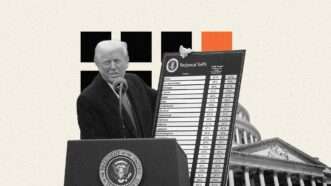
Estreicher and Babbitt are right to conclude that Trump's tariffs violate the nondelegation doctrine, but wrong to reject other arguments against them.
Plus: Clemency revelations, climate change law affects New York housing prices, Rosie O'Donnell's citizenship, and more...
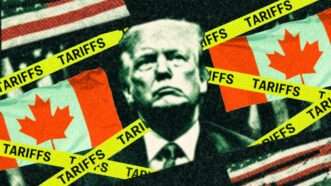
Increasing the cost of inputs and imported energy would make American exports less competitive.
It's an obvious abuse of emergency powers, a claim to unconstitutional delegation of legislative power, and a threat to the economy and the rule of law.

It might be the Trump administration's most foolish trade policy idea yet.

Plus: Prime sales slumping, Hill Country flood victim search continues, Diocese of San Bernardino takes on ICE, and more...
The diversity and quality of the briefs opposing Trump's "Liberation Day" tariffs speaks for itself.
The Cato Institute and the New Civil Liberties Alliance urge the Federal Circuit to extend the logic of a decision against the president's far-reaching import taxes.
Our brief explains why the Federal Circuit should uphold the Court of International Trade decision striking down Trump's "Liberation Day" tariffs.

Scenes from a trade war.

Plus: Texas flooding update, shark policy, tariffs affecting Prime Day, and more...
Plus: Trump's E.U. trade deadline, masked ICE agents, and Elon Musk's third party
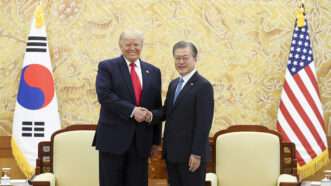
In 2018, Trump hailed a trade deal with South Korea as "fair and reciprocal" and said it was "a historic milestone in trade." So much for that.
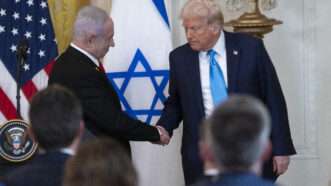
Plus: Zohran Mamdani's creative race identification, catastrophic Hill Country flooding, and more...
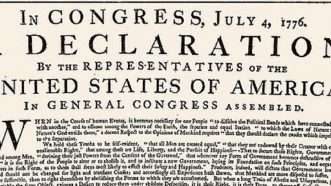
Several of the items on the Declaration's list of grievances against King George III also apply to Donald Trump today.
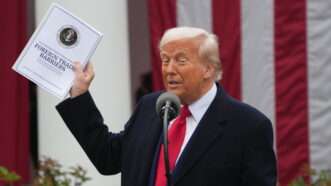
Americans will continue to pay higher tariffs, while Vietnamese businesses won't pay anything. Whatever happened to reciprocity?


The Supreme Court may have reached the wrong result in FCC v. Consumers Research. But ruling emphasizes there are significant constitutional limits to legislative delegation to the executive.
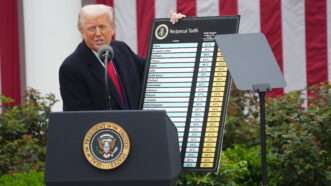
The trade deficit is getting bigger, the deals aren't coming, and foreign investment has declined.
It explains how these much-maligned doctrines can be valuable tools for constraining power grabs by presidents of both parties.
Celebrate your independence with a subscription to Reason magazine, your most trusted source of honest, insightful news and analysis.




