
Border Patrol Launched a Surveillance Blimp Over Nogales, Arizona. Town Officials Didn't Know.
Residents of Nogales are now under the gaze of a round-the-clock surveillance craft.

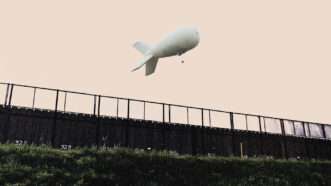
Residents of Nogales are now under the gaze of a round-the-clock surveillance craft.

Grappling with surveillance implications of Roe being overturned

ICE has spent $2.8 billion since 2008 developing surveillance and facial-recognition capabilities, mostly in secrecy and without real oversight.

Plus: Lawsuit against Twitter can move forward, antitrust bills targeting Big Tech falter, and more...
Plus: A questionable algorithm can sic state social workers on families, governments aren't the only entities that can expand contraceptive access, and more...
Plus: The Warrant for Metadata Act, DOJ will appeal order ending mask mandate, and more...

Proposed EU rules would be equivalent to tracking all cash transactions
The Post Office's inspector general uncovers unrestricted online snooping by postal cops without any legal authority.
Plus: New rules on sex discrimination in education, economists warn of housing market exuberance, and more...

Cameras and tracking technology purchased to battle COVID-19 will be a lingering affliction.
The president's anticipated executive order stopped short of feared regulations but suggests federal unease with uncontrolled development.


“We totally stalked what they were doing on Google,” one teacher said.
Facial recognition software can secretly surveil and is subject to error.
In a program separate from the ones disclosed by Edward Snowden, we see more mass secret domestic data collection.

Regarding the authoritarian country's central bank digital currency, you do not, under any circumstances, “gotta hand it to them.”
"A future of bloodless global discipline is a chilling thing."

Social media accounts are windows into your activities, and the cops are watching.


“We have been through horrific things, but I’m still proud of being Uyghur," says Tursunay Ziyawudun, a survivor of China's torture camps.
Offending the powerful can be dangerous in an increasingly authoritarian world.

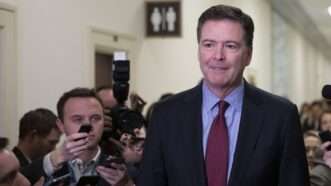
Why trust an agency that conceals information from judges but prosecutes us for lying to it?
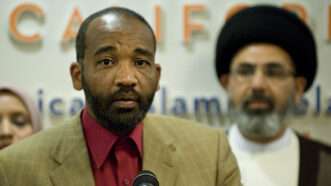
A surveillance case will determine whether officials can be sued for "national security" rights violations.

The investigation of Trump aide Carter Page has exposed major problems with federal secret surveillance warrants.

Privacy advocates applaud the move.
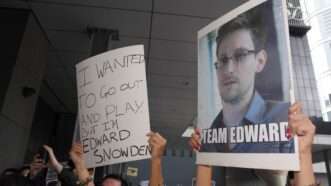
Do Americans have a right to know the extent that the government surveils them?
An FBI document reminds us: Your cell phone provider knows where you've been—and will tell the feds.

When "protecting users' safety" actually means the opposite

Proposed IRS surveillance now limited to non-wage net annual transactions of $10,000 and above. Which is still ridiculously low and intrusive.
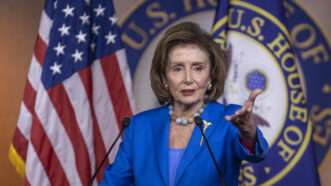
Nancy Pelosi, Elizabeth Warren, and co. insist that the IRS needs to know about $600 bank accounts.
With “keyword warrants,” anyone who queries certain terms on search engines will get caught in the surveillance dragnet.
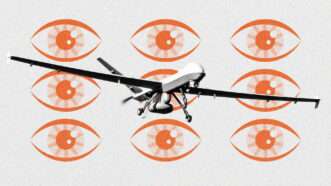
The federal government and police are finding new ways to use drones to invade privacy.
More than 400 problems were found with 29 warrant requests, twice the number previously revealed.
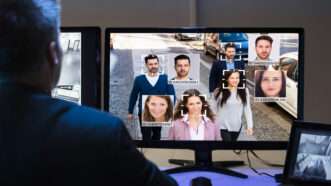
Protecting citizens from intrusive government surveillance is a virtue well worth signaling.
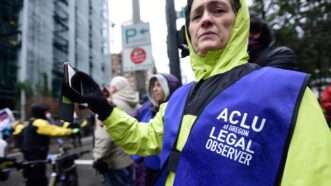
People doubt the government's role as a protector but send mixed messages about their value of freedom.
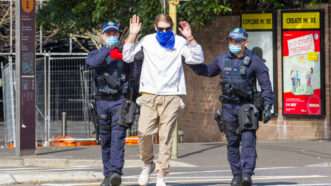
The government is ignoring the costs of lockdowns—for lives, for liberty, and for the economy.

COVID-19 and 9/11 both created opportunities to restrict our liberties in the name of keeping us safe.
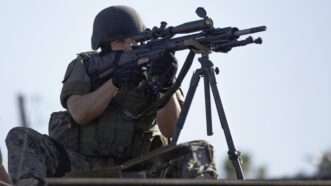
Twenty years after 9/11, weaponry and surveillance gear originally developed for the military have become commonplace in police departments around the country.
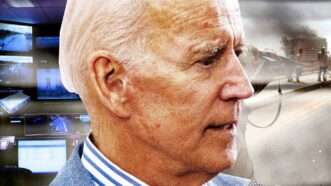
National security reporter Spencer Ackerman on 9/11, mass surveillance at home, and failed wars abroad.
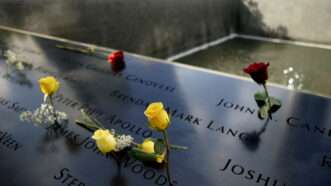
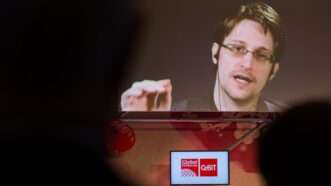
We were warned about the dangerous power of the USA PATRIOT Act. Edward Snowden proved that critics were justified.
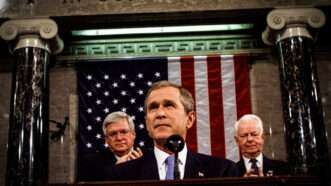
The Reign of Terror author on fighting surveillance and interventionism done in the name of stopping jihad.

Historian Stephen Wertheim says two decades of failed wars have finally made America more likely to embrace military restraint.

Plus: Tipped minimum wage kills jobs, how the U.S. "helped" out women in rural Afghanistan, and more...
Celebrate your independence with a subscription to Reason magazine, your most trusted source of honest, insightful news and analysis.




