There's been much discussion recently about the English government's prosecution, in connection with the recent riots there, of various people who have been seen as advocating violence or hatred. Here's an excerpt from yesterday's New York Times article:
They Spouted Hate Online. Then They Were Arrested.
[Subtitle:] As hundreds of people appear in court for their role in recent anti-immigrant riots in Britain, several are accused of fueling disorder through online posts, raising questions about the limits of free speech.
A 53-year-old woman from northwest England was jailed for 15 months after posting on Facebook that a mosque should be blown up "with the adults inside." A 45-year-old man was sentenced to 20 months for goading his online followers to torch a hotel that houses refugees. A 55-year-old woman was questioned by the police for a viral post that wrongly identified the suspect in a deadly knife attack at a children's dance class.
The article goes on to note that English law is less protective of free speech than American law, and that much is correct. But I think it's also worth noting that speech urging the commission of a specific crime against a specific target is likely constitutionally unprotected even in America. In particular, calling for people to blow up a particular mosque (which is what the woman mentioned in the article seemed to be doing) or burn down a particular hotel would almost certainly fall within the "solicitation" exception to the First Amendment (or perhaps within the "solicitation" facet of the broader "speech integral to criminal conduct" exception).
That exception is not as well-known as other exceptions, such as for true threats of illegal conduct, incitement of imminent and likely illegal conduct, defamation, child pornography, and so on. But the Court has made clear that it does exist, most recently in U.S. v. Hansen (2023):

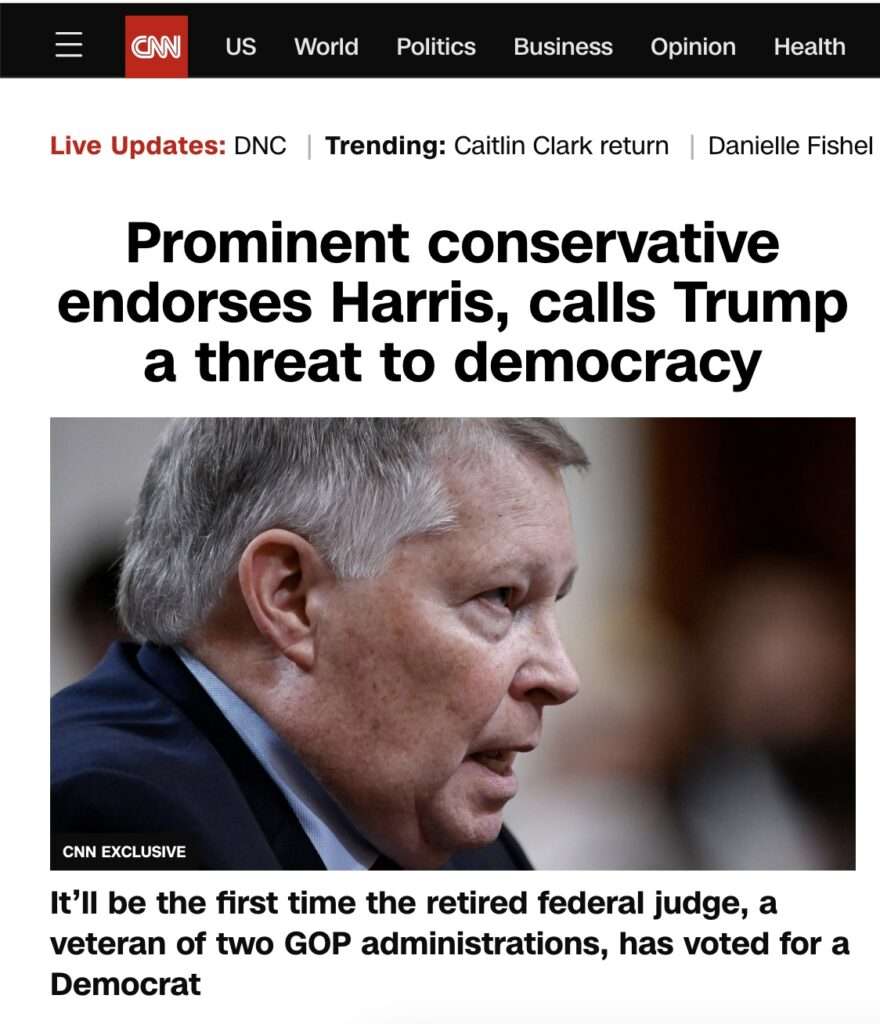 The front page of CNN.com blares the