
Brett Kavanaugh's Soft Spot for Police Abuses
The SCOTUS nominee takes a dim view of the Fourth and Fifth Amendments.


The SCOTUS nominee takes a dim view of the Fourth and Fifth Amendments.
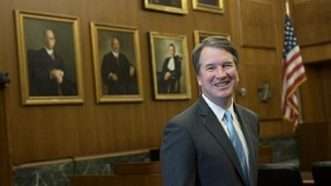
The debate over Judge Kavanaugh's views on executive power actually encompasses four separate issues. On some of them his views bode well for the future, on others not so much.
Some unusual amicus briefs filed in support of cert. in Allah v. Milling
Trump's SCOTUS nominee probably won't have an impact on Obamacare. But that won't stop Democrats from making the argument.
Justice Kennedy was the most speech-protective justice on a speech-protective court. What happens to free speech once he is replaced?
Those who have been through the process rarely have nice things to say about it.
Unlike the man who nominated him, Brett Kavanaugh understands the importance of an independent judiciary.
Where does Judge Kavanaugh stand on the Fourth Amendment?
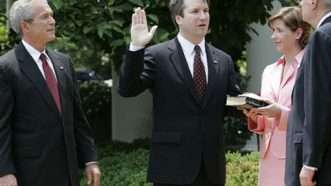
Jonathan Adler says he's "supremely qualified," an originalist, and a critic of the administrative state. But he's a cipher when it comes to defendants' rights.
Many Democrats have come out against Kavanaugh's nomination, arguing that he'll mean the end of Roe v. Wade.
Where does Supreme Court nominee Brett Kavanaugh stand on the First Amendment?
Judge Kavanaugh is a highly qualified jurist. I applaud several aspects of his record, while having reservations about others.
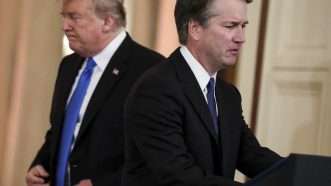
"Kavanaugh is not another Gorsuch-not even close."
Initial thoughts on the nomination of Brett Kavanaugh to the Supreme Court
The text, history, and tradition methodology applied to D.C.'s unusually restrictive gun laws.
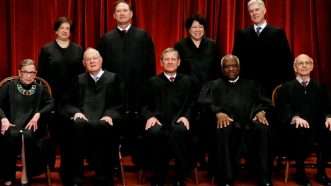
Following the resignation of Justice Anthony Kennedy, President Trump makes his second appointment to the Supreme Court of the United States.
Trump freaks out Democrats with second SCOTUS pick; the Libertarian Party comes of age; how Steve Ditko created the modern action movie
Like Neil Gorsuch, the D.C. Circuit judge has criticized Chevron deference for encouraging executive arrogance.
Justice Kennedy's decision forcing states to recognize same-sex marriage is not at risk
The Roberts Court has overturned precedents at a lower rate than its predecessors. Will this soon change?
President Trump will soon name his second pick to the Supreme Court
Reviewing the record of a possible replacement for Justice Anthony Kennedy.
The D.C. Circuit judge is a strong defender of the Second Amendment but seems less inclined to accept Fourth Amendment claims.
Reviewing the record of a possible replacement for Justice Anthony Kennedy.
Contrary to what his critics say, this "narrow-minded elitist" stands up for the little guy.
Reviewing the record of a possible replacement for Justice Anthony Kennedy.
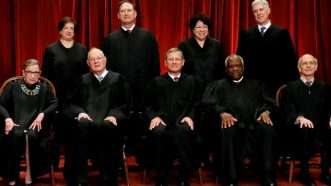
The Senate should confirm or reject Trump's Supreme Court nominee before the November elections, poll respondents say.
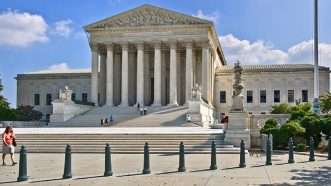
Current liberal court-packing proposals are dangerously misguided - and for much the same reasons as last year's conservative court-packing plan.
The short answer is no. The longer answer is maybe, a little at a time, and that's a problem. Plus, is 2018 turning into 1968, a year of high-profile violence?
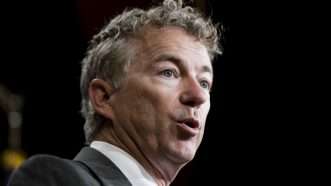
The Kentucky Republican was asked if Trump should nominate a justice who thinks "an unborn child with a beating heart is a person."

The story of how classical liberal Justice George Sutherland enabled executive overreach abroad.

Forget coat-hangers and back alleys. The future of illegal abortions is online pharmaceuticals.
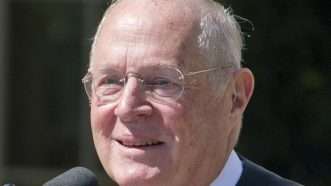
Damon Root explains what libertarians will lose and might gain from a SCOTUS shakeup.
How much deference should amicus briefs and agency advocacy receive from the courts?
The retiring justice seems to have been a crucial obstacle to hearing Second Amendment cases.

Despite Carpenter upending Fourth Amendment doctrine, the Supremes leave the Silk Road founder in prison for life.
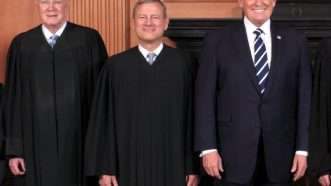
Justice Kennedy's retirement will have a significant impact on the Roberts Court beyond its ideological makeup.
A Politico symposium offers assessments by a wide range of legal scholars and commentators. And I offer some additional thoughts of my own.
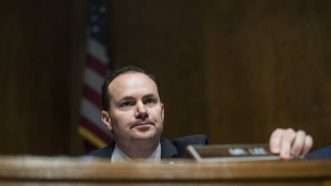
His is one of 25 names on the White House's official list of potential Supreme Court picks.
"If an employee's speech is about, in, and directed to the workplace, she has no 'possibility of a First Amendment claim,'" say the dissenters -- but that's not what the First Amendment caselaw says.
Today's Supreme Court ruling is a win for freedom of association and free speech, but don't expect it to change statehouse politics overnight.
"The majority's view, if taken literally, could radically change prior law," warn the Court's liberal justices.
It's the end of an era at the U.S. Supreme Court.
States that want to allow public sector unions, and avoid "free-rider" problems, should still be able to do that -- just by paying unions directly, rather than via compelled agency fees.
Comparing the records of two right-of-center justices.
Celebrate your independence with a subscription to Reason magazine, your most trusted source of honest, insightful news and analysis.




