
The World Has Turned and Left Me Here
Plus: Tariffs, tariffs, and even more news about tariffs! And George W. Bush has some interesting thoughts about George Washington.

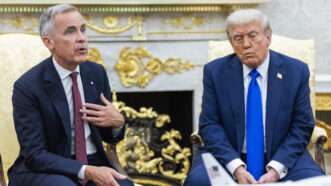
Plus: Tariffs, tariffs, and even more news about tariffs! And George W. Bush has some interesting thoughts about George Washington.
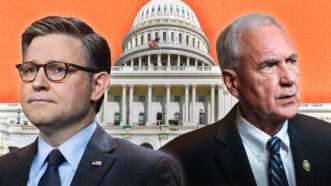
Finally given a chance to influence trade policy, the vast majority of House Republicans decided it was more important to keep President Donald Trump happy.

AI-powered medical wearables and software are flourishing following the FDA’s new regulatory guidance.

The AI boom is showing the limits of our regulated monopoly model for generating electricity.

The real squeeze comes from government-distorted markets, not economic decline.

"I will not allow a generation of smart and capable young women to sell their bodies online," said Republican gubernatorial hopeful James Fishback.
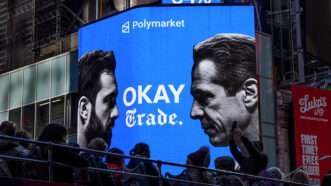
The online betting company allows you to stake money on future events.

Mayors come and go, but New York City remains fundamentally itself.
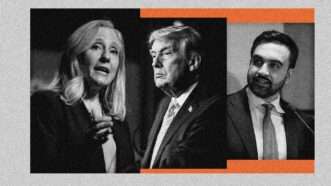
The socialists of both parties want things to cost less. Only free markets can make that so.
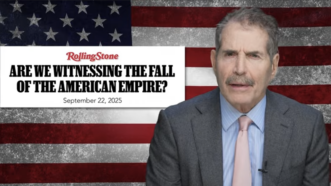
Past societies tried to regulate their way to stability. But it came at a great cost.
Price controls don't solve economic problems; they disguise them. Prices are messages, and Mamdani wants to shoot the messenger.

Sen. Marsha Blackburn’s latest is an anti-tech omnibus, combining years' worth of dangerous policy ideas into one big, bad bill.

The existence of options you don't personally enjoy is not a cultural failure; it's a luxury.

Laws requiring porn platforms to age-check visitors are becoming "a Swiss army knife for the government."
The Trump administration has not made a convincing case for why it is buying stakes in these companies—and why these companies in particular, rather than others.
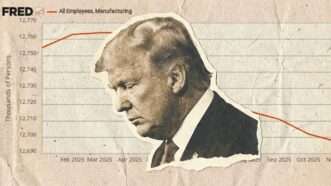
These metrics are bad proxies for prosperity, but they reveal just how flawed the president's arguments have been.

Not even 35 years after escaping Soviet-style central planning, Poland has become a capitalist success story.

As traditional gathering places disappear, market-based funding could expand parks, courts, and other spaces that help people reconnect without raising taxes.

American farmers exported more than 26 million metric tons of soybeans to China annually during Biden's term. Trump's deal with China would cover less than half that amount.

Panicked about holiday shopping? Reason staffers and contributors are here to save the day.

Private innovation is connecting rural America faster than Washington’s $42 billion broadband program.
The magazine of free minds and free markets has changed millions of minds—including mine—to take freedom seriously.

"Maybe the dolls will cost a couple bucks more than they would normally," the president warned in April. That's an understatement.
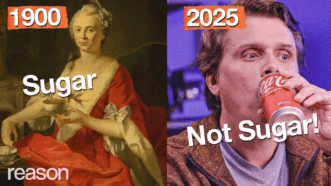
Meet Dwayne O. Andreas: The man most singularly responsible for the fact that it is corn, not sugar, in most American sweets.
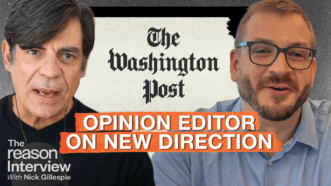
The Washington Post opinion editor Adam O’Neal outlines his vision for a more classically liberal editorial voice, examines how both parties turned against free speech and free markets, and explains why the paper is ending political endorsements.
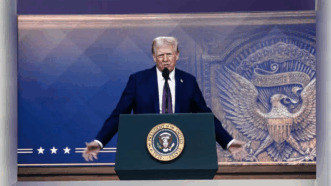
Trump's decision to reduce the tariffs on Swiss goods came just days after a Swiss delegation lavished the president with a variety of expensive gifts.
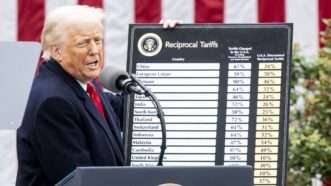
If lowering tariffs makes things cheaper, why stop at coffee?
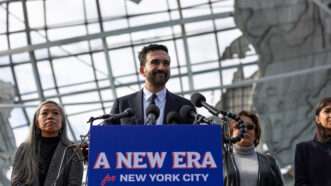
Using the mighty power of government to…make stadium hot dogs cheaper? It's one of many ways Khan's petty populism could be coming to New York City.

The new rules would permit landlords to raise rents by a maximum of 4 percent per year, a decrease from the 8 percent maximum allowable increase under the current rules.
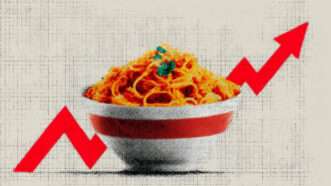
The Commerce Department’s new antidumping duties could double the cost of imported Italian pasta—hurting consumers more than producers.
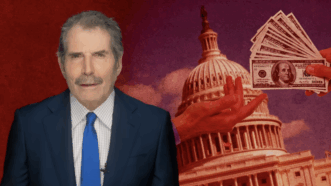
To support chipmaker Intel, the president used our money to buy 433 million shares of Intel stock. That's not a free market.
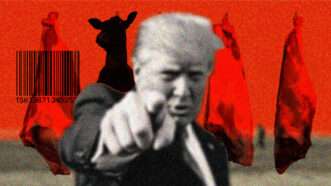
There are several reasons why beef prices are at a record high. Collusion isn't one of them.
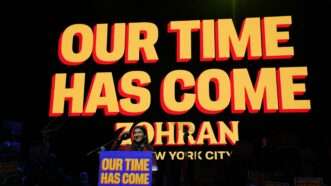
The administration's legal brief reveals a critical contradiction in Trump's trade policies.
Progressive politicians want to ban restaurants from adjusting prices based on demand—even when no one’s actually doing it.

Billions of dollars are at stake in New York City’s mayoral election.
The Supreme Court will hear a case next week challenging the legality of President Donald Trump's "emergency" tariffs.
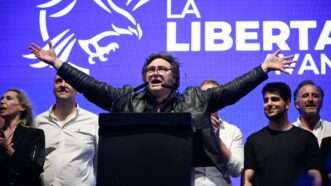
Once a common saying, “rich like an Argentine” became a sad joke under statist politicians.
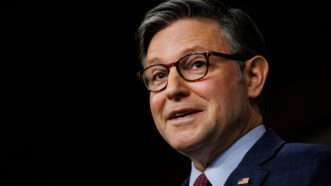
Socialism is government control of the means of production. When the government becomes your largest shareholder, that's a strong first step.
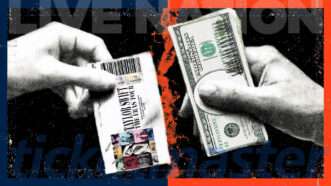
Antitrust enforcers at the Justice Department and the Federal Trade Commission have singled out Live Nation as a scapegoat for concertgoers' insatiable appetites.
The D.C. Superior Court found Empower still in contempt of court despite updating its software-as-a-service agreement and will reconvene in January.

The award goes to a classical liberal and free market advocate who has risked her life to challenge Venezuela’s socialist dictatorship.

With fewer immigrant workers available on American farms, there is a risk of "supply shock-induced food shortages," the Labor Department says.
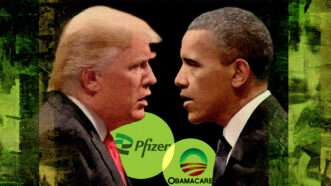
Pfizer wins big in Trump’s new drug discount gimmick.
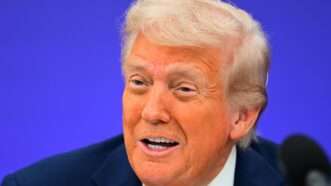
Markets thrive on predictable rules, but when the president takes equity stakes or pressures firms at will, investment and risk-taking give way to hesitation.
Plus: New Yorkers favor decriminalizing prostitution. An academic inquiry into "body counts." AI chatbots everywhere. And more...
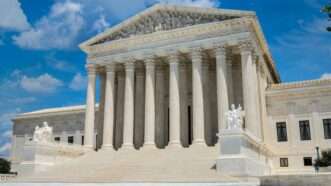
The same legal theory that tripped up Joe Biden's student loan scheme could also sink Donald Trump's tariffs.
Celebrate your independence with a subscription to Reason magazine, your most trusted source of honest, insightful news and analysis.




