
The 4 Economic Myths Powering Trump's New Tariff Push
American businesses and consumers absorbed nearly 90 percent of the 2025 tariffs' economic burden, the Federal Reserve Bank of New York found.

American businesses and consumers absorbed nearly 90 percent of the 2025 tariffs' economic burden, the Federal Reserve Bank of New York found.
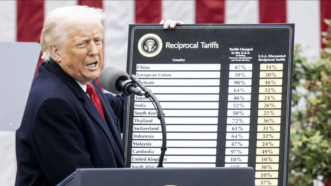
Plus: Minnesota Medicaid funds, AI vs. jobs, Taylor Lorenz's libertarian moment, and more...
It said that if it lost in court, it would refund companies that paid unlawful tariffs. Now it says the process could take years.

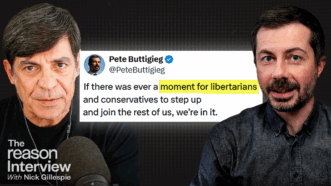
Former Transportation Secretary Pete Buttigieg discusses immigration enforcement, the role of government, and why federal agencies are losing public trust.
Only time will tell how great the impact of the ruling will really be. But, at this point, it seems like a very significant decision.
Although Trump has other options for taxing imports, the justices reminded him that he needs clear congressional authorization.
A drop in seizures doesn't necessarily mean a decline in the supply.
And that's especially true if the tariffs are illegal.
The article explains why the new Section 122 tariffs are illegal, and courts should strike them down, when (as is likely) lawsuits are filed against them.

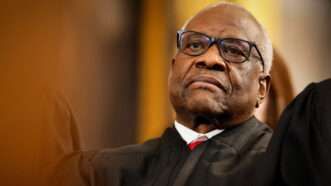
The conservative justice’s regrettable opinion in Learning Resources v. Trump.
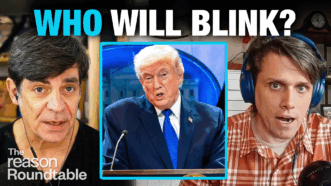
Plus: The U.S. could be going to war with Iran, the 2026 Winter Olympic Games, and why AI surveillance is worrying civil libertarians
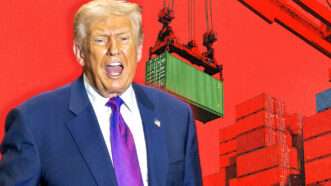
The president is relying on a provision that the government's lawyers said had no "obvious application" to his goal of reducing the trade deficit.
The Court stopped a massive presidential power grab, but did not resolve a crucial issue about judicial review of executive use of emergency powers.
Attorneys for the Trump administration even admitted that Section 122 can't be applied to address trade deficits. Trump is now trying to do that anyway.
An initial take on Learning Resources v. Trump.
The president neither understands nor appreciates the vital role of judicial independence in upholding the rule of law.
President Trump will undoubtedly keep trying to impose protectionism, but his options are limited.
The prominent conservative legal commentator outlines the case against Trump's latest tariff power grab.
It wasn't the Court's opinion that is an "embarrassment."
Justices Kagan and Sotomayor have signed on to at least one opinion that expressly relied upon the major questions doctrine.
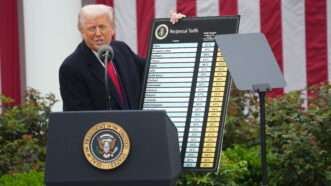
It covers many issues raised by the decision.

Robby Soave and Jason Russell celebrate the SCOTUS tariff news before pivoting to the politics of the Winter Olympics.
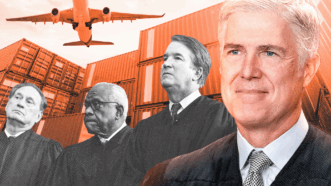
What explains the fracture in the Supreme Court's "conservative bloc"?

Thanks to our victory in the tariff case before the Supreme Court, businesses that paid billions of dollars in illegally collected tariffs can seek refunds. But the process may be difficult.
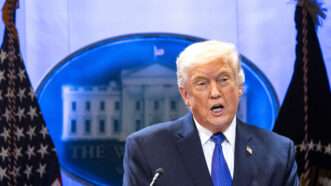
The new tariff will be implemented under a 1974 law that gives the president authority to impose tariffs for up to 150 days.

The battle against the president's so-called reciprocal tariffs is won, but the war for free trade and a stable business environment continues.
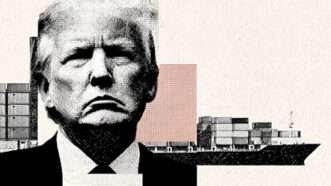
There are many laws that explicitly authorize the president to impose taxes on imports, but they include limits that Trump was keen to avoid.
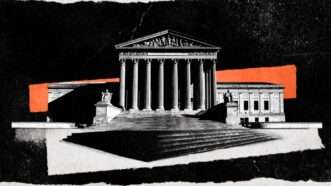
"There is no exception to the major questions doctrine for emergency statutes," wrote Chief Justice John Roberts.
In a 6-3 decision, the Court ruled that the International Emergency Economic Powers Act does not authorize tariffs.
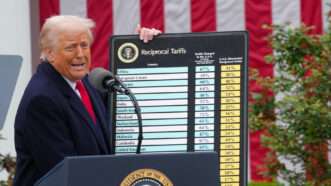
It's a good thing that trade deficits aren't actually a national emergency.

Plus: The FCC targets Disney and Comcast, new Epstein associates revealed, and Trump’s tariffs cause growing rifts with U.S. allies.
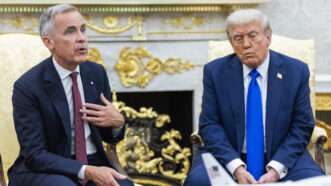
Plus: Tariffs, tariffs, and even more news about tariffs! And George W. Bush has some interesting thoughts about George Washington.
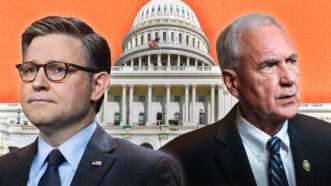
Finally given a chance to influence trade policy, the vast majority of House Republicans decided it was more important to keep President Donald Trump happy.
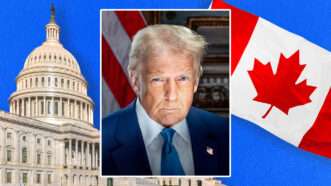
But the numbers are a long way from a veto-proof majority, so Wednesday's vote may be a purely symbolic victory for free traders.
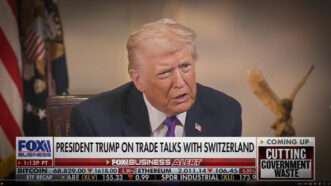
The story is an exercise in pettiness but also a perfect reason why Congress and the Supreme Court should limit the president's power grab.
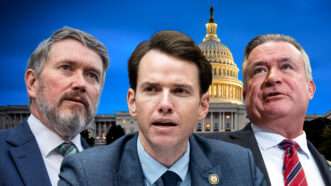
Three Republicans defected to vote down an arcane procedural rule that would have made it impossible for the House to vote on Trump’s tariffs until August.
Plus: An immigration court drops Rumeysa Ozturk's deportation case, Buddhist monks complete their "walk for peace," previously classified Nixon grand jury testimony is released, and more...

A new poll finds that even white men without college degrees, a key voting constituency for Trump, don’t approve of the president’s handling of the economy.
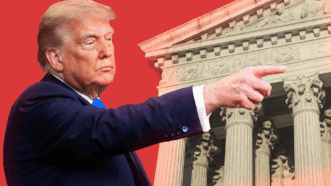
Plus: Why is the Supreme Court’s tariff decision taking so long?
Plus: a partial shutdown over ICE funding, Kevin Warsh to lead the Fed, and Moltbook’s AI society
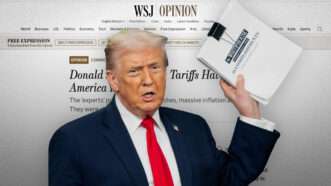
The president's article in The Wall Street Journal is wildly misleading.

A Canadian boycott and retaliatory trade barriers have wiped out U.S. wine and spirits sales abroad, costing American producers jobs, revenue, and entire export markets.
Limited government means those in power can do limited damage to the rest of us.

Such attempts try to engineer outcomes while acting like political favors can substitute for market incentives.
Celebrate your independence with a subscription to Reason magazine, your most trusted source of honest, insightful news and analysis.




