
3 Charlotte Cops Resign After Group Chat Reveals Competition To Arrest the Most Black People
The officers could face consequences beyond termination, as prosecutors review whether their past testimony and arrests can still be trusted.

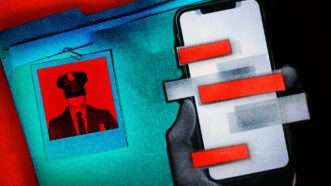
The officers could face consequences beyond termination, as prosecutors review whether their past testimony and arrests can still be trusted.

Let's unpack the latest dystopian tech news—and German cops' dystopian response.
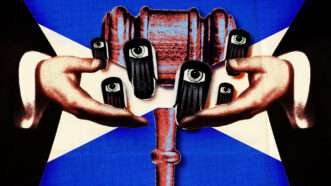
Car-tracking cameras, like cellphones, generate vast amounts of sensitive data.
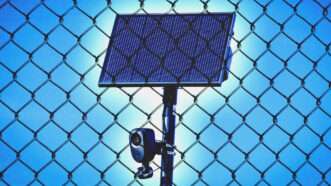
Elgin Community College even tied garbage bags over the cameras, but Flock technicians just cut them down.
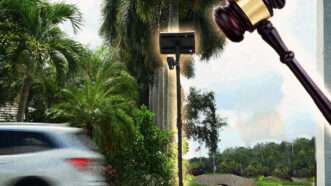
State and federal courts have almost uniformly ruled that searches of ALPR databases do not implicate the Fourth Amendment.
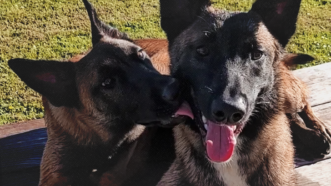
A North Carolina state trooper shot Lydia Nikac's two dogs, but an appeals court ruled she doesn't have a right to publish body camera footage of the shooting under the state's restrictive public records laws.
The respondents did not think much of the policies that the president says produced "the largest drop in violent crime in American history."
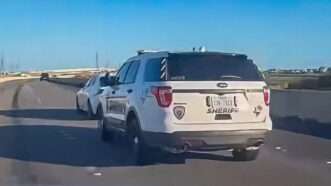
The automated license plate reader system is “a type of indiscriminate mass surveillance," says a federal judge.
The ruling has major implications for property owners when the government ruins their possessions in the exercise of "police power."
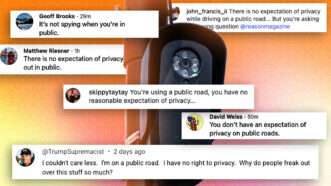
Defenders of Flock-style surveillance systems argue that people “have no reasonable expectation of privacy in public.” They're wrong.
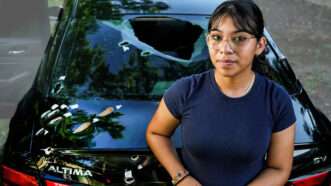
Law enforcement shot bystander Abigail Trujillo's vehicle dozens of times. Her struggle to get help is part of a larger pattern.
It was Flock that led cops to the wrong woman. It was police who ignored the other evidence and jailed her.
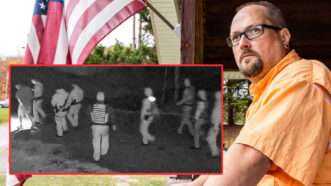
Joshua Gibbons says his embarrassing videos of police officers in Kingsport, Tennessee, were a motivating factor in their decision to arrest him on minor charges that were thrown out of court.

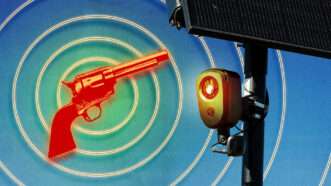
Gun owners should be paying attention to how police use gunfire microphones in conjunction with license plate cameras.
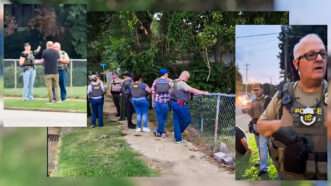
The ACLU says Hunter Demster's arrest shows a continuing campaign of intimidation and retaliation by the Memphis Safe Task Force.
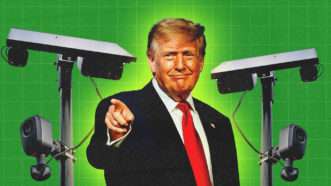
Trump says he supports the cameras simply because law enforcement does, no matter that they can be misused or abused.

The White House said the database tracking misconduct by federal law enforcement officers was "full of woke, anti-police concepts."
And yet governments deny reimbursement claims more often than approving them, according to the Institute for Justice.

The Fifth Circuit Court of Appeals ruled that Taylor Rogers didn't show that it was clearly established that it was excessive force to be held down on a pile of fire ants while handcuffed.


Recent comments by Greg Abbott and Ron DeSantis reflect a bipartisan backlash against warrantless surveillance.

The free speech organization, FIRE, says the Polk County Sheriff’s Office’s bans on its social media pages violate the First Amendment.

Robby Soave and Christian Britschgi discuss the stalled jury deliberations in Lindsay Clancy’s case and the police killing of Heehaw.
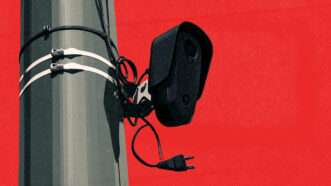
Criticism from Trump allies and recent survey results show that resistance to widespread deployment of automated license plate readers spans the political spectrum.
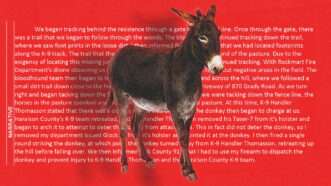
In an incident report, the officer who shot the donkey wrote that he had to shoot the donkey to save himself and a K-9 team from injury.
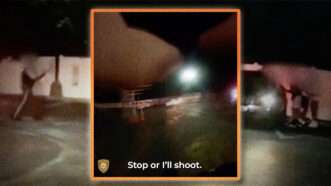

The donkey's owner says officers wandered onto her property without permission and shot the small donkey because they felt threatened.
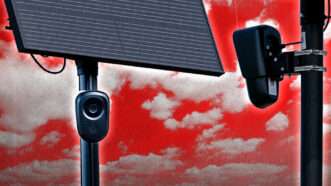
Americans are starting to recognize the dangers of pervasive surveillance by automated license plate readers.

The CIA has been using artificial intelligence to write “open source intelligence” analyses, which are being distributed to local police via DHS “fusion centers,” according to documents obtained by Reason.

Pension changes passed in 2011 have saved California taxpayers from a fiscal crisis, but public sector unions are now pushing to undo them.
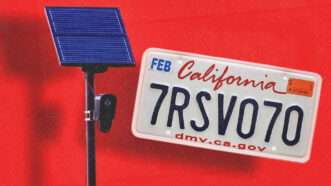
Civil liberties advocates warn that Americans’ privacy and surveillance concerns won’t be solved without strong legal protections.

Florida police departments have been adding drones, facial recognition technology, and license plate readers to their arsenals for years.
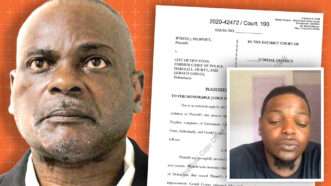
In a federal lawsuit, Byron Prophet argues that police supervisors "turned a blind eye" for years as Gerald Goines framed innocent people.
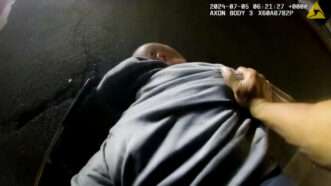

Benn Jordan wants the snoopers to be “a little unsettled.”
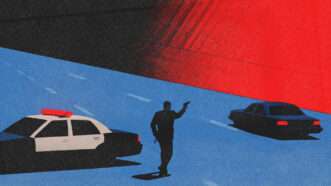
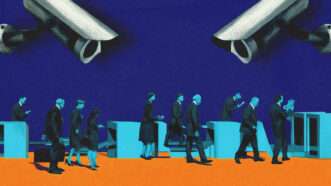
The U.S. government responded in ways that are so integrated into daily life that we no longer recognize them.

While the settlement is a good thing, it's unfortunately still the case that at airports, the Bill of Rights is more of a list of suggestions.
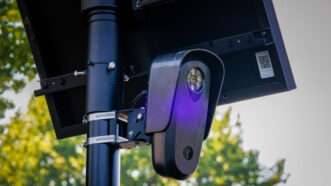
"If there are Flock cameras in your city, they are tracking, logging and sharing your movements without a warrant," warns the ACLU.
Celebrate your independence with a subscription to Reason magazine, your most trusted source of honest, insightful news and analysis.




