
Trump's Beef Tariff Cut Accidentally Makes the Case for Free Trade
As the president liberalized the market for beef, he also imposed new 50 percent tariffs on some $20 billion worth of Canadian goods. Americans will suffer.

As the president liberalized the market for beef, he also imposed new 50 percent tariffs on some $20 billion worth of Canadian goods. Americans will suffer.

American consumers and businesses are being taken advantage of by Canadians who are…offering to sell us aluminum, oil, and wood? How?
U.S. tariffs hurt Americans. Retaliatory tariffs will hurt Canadians.
It will take more than three months to fix the problems plaguing the American beef industry.
Plus: Trump's trade war with Canada, the growing backlash against data centers, and calls to censor journalists in Britain
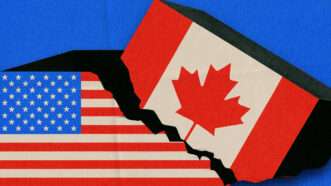
Canada is one of our largest trading partners. The president imposed 50 percent tariffs on cars, wigs, and hockey sticks.
Section 338 is a long-defunct part of the notorious Smoot-Hawley Tariff Act of 1930.
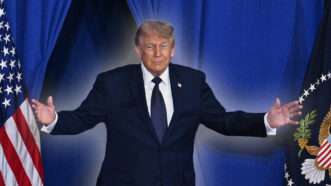
A bill to sanction Russia would allow the president to place 100 percent tariffs on goods from countries that buy Russian fossil fuels.
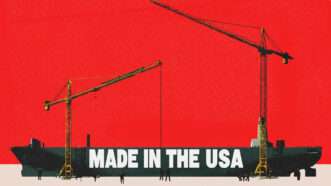
In under five months, waiving the protectionist law opened up whole trade routes and sent fuel to areas that needed it. Why go back?

What kind of country would America be if people were freely allowed to peacefully deliver goods that had been consensually bought and sold?
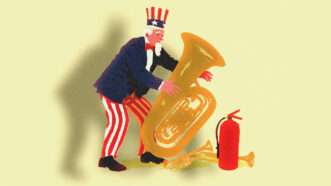
An idea that's wildly out of tune at a time when Americans are trumpeting their worries about affordability.
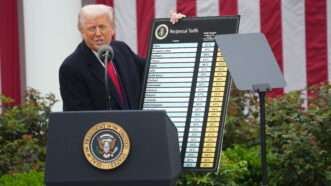
The article explains why the new tariffs are harmful and illegal for many of same reasons as those invalidated by the Supreme Court.
A guest post by Georgetown legal scholars Peter E. Harrell and Jennifer Hillman.
It's been more than eight years since Trump's first aluminum tariffs were imposed. How long do we have to wait before calling this a failure?

"There is no domestic alternative" for peppercorns grown in Zanzibar or herbs from the south of France, says Ori Zohar, the former Shark Tank contestant taking the administration to court.
The president's latest round of broad import taxes, like the previous two, treats his statutory authority as an afterthought.
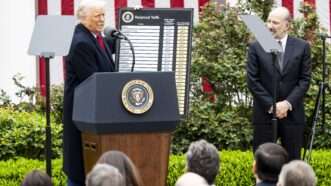
Economist David Hebert highlights an underappreciated danger of Trump's tariff mania. It's a serious problem, but one that can at least be mitigated.
It was filed by several businesses, including Learning Resources, Inc., which was also involved in the IEEPA tariff litigation.
The complaint explains why the tariffs violate the requirements of Section 301, and also run afoul of the major questions and nondelegation doctrines.
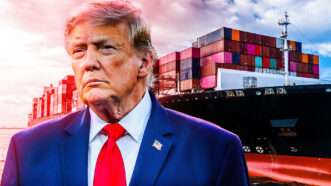
The Section 301 tariffs announced on Thursday overstep the powers granted by Congress and likely run afoul of the major questions doctrine.
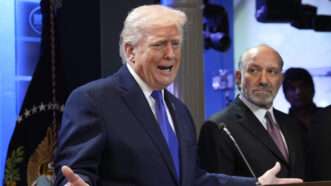
Plus: House votes on war powers as Trump enters Iran war "revenge mode," Ted Cruz worries about AI, Marvel movies are planned through 2042, and more...
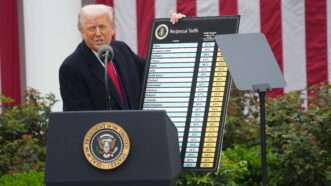
The U.S. economy is not a reality show. The Trump administration should stop acting like it is.

The trade war caused exports to Canada to fall. Now, Trump is pointing to that fact to justify more tariffs.
The 50% tariffs on many Canadian imports are based on the long-defunct Section 338 of the notorious Smoot-Hawley tariff act.
Plus: new tariffs on Brazil, Trump's primetime address on election security, and the growing popularity of democratic socialism.
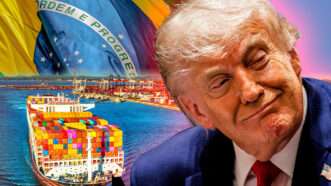
It's almost like there is no real underlying principle guiding the Trump administration's tariff policies.

The Federal Reserve reports that small businesses were less likely to be able to avoid tariff costs during 2025 and are more pessimistic about employment and revenue in 2026.

Perhaps it's time to scuttle the law once and for all.
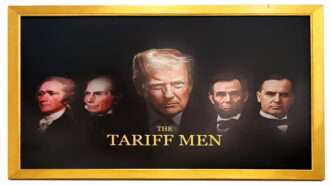
Free trade is "a direct affront to our Founding Fathers," President Donald Trump said during his first presidential campaign.
The decision not to renew the USMCA is less dramatic than it might appear. Even so, Trump is exchanging stability for more uncertainty.
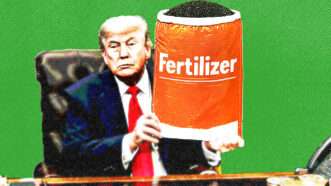
The White House quietly repealed tariffs on Moroccan fertilizer this week.
Economist Soumaya Keynes discusses Trump’s tariff policies, how China changed the global economy, and why trade wars require restraint.
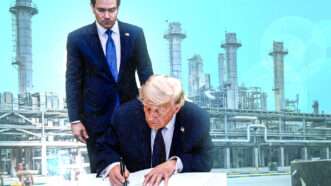
As part of peace negotiations, the U.S. Treasury issued an unprecedented total waiver from Iranian oil sanctions.

When businesses in other countries produce more goods than their domestic markets can use, is that a conspiracy against America? Of course not.
A guest post by Georgetown legal scholar Peter E. Harrell.
The administration has paid $20 billion in refunds. Now, it is asking a federal appeals court to limit which businesses will get the rest.
They appear to be yet another illegal power grab, one that should be challenged in court.

Even as the White House backs away from its foolish tariff plans, the Trump administration keeps revealing why it should never have had these powers in the first place.
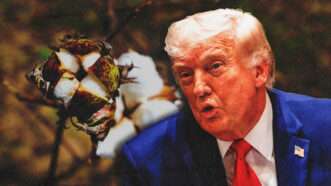
The Great American Cotton Plan will shell out millions in taxpayer funds, continuing the Trump administration’s pattern of paying off industries harmed by the president’s economic policies.
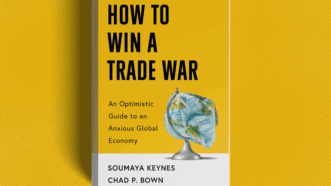
The only winning move is not to play. But if you must, a new book offers some suggestions.
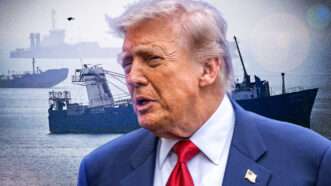
The U.S. Treasury is trying to fight the kind of trade embargo that it usually imposes on other countries.

Though some of their products may have been redirected elsewhere, American farmers are likely eating most of the losses.
I gave the talk earlier this week.
They cost each American household roughly $1,000 in 2025, with more coming in 2026.
The decision means the injunction blocking collection of the tariffs will not be blocked while litigation continues.
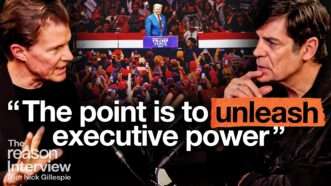
Johan Norberg discusses what makes societies prosperous, why protectionism and nostalgia keep returning, and how populism feeds cultural decline.

Another example of the flawed logic behind the Trump administration's tariff policies: You can't make a tire without rubber, and the U.S. doesn't produce rubber.
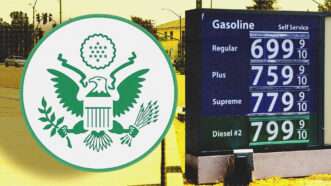
Instead of holding the president accountable, lawmakers are trying novel ways to reduce energy prices caused by Trump’s war in Iran.
Celebrate your independence with a subscription to Reason magazine, your most trusted source of honest, insightful news and analysis.




