Six States File Lawsuit Challenging Biden Student Debt Cancellation Program
The lawsuit has a more conventional - and stronger - basis for standing than that filed yesterday by the Pacific Legal Foundation.


The lawsuit has a more conventional - and stronger - basis for standing than that filed yesterday by the Pacific Legal Foundation.
It was filed by Pacific Legal Foundation public interest lawyer Frank Garrison, and includes a novel strategy for getting around the problem of standing.
The likely answer is "yes." There are three types of potential litigants who probably qualify.
The Solicitor General and NGO respondents argue that the petitioners lack appellate standing to challenge the D.C. Circuit's interpretation of the Section 111 of the Clean Air Act.
The decision is wrong, but consistent with previous precedent. Yet it also threatens to create a road map for circumventing constitutional rights. Fortunately, the latter can be prevented.
No, Justice Alito's opinion for the Court did not endorse standing-through-inseverability.
A handy index of my writing on this improbable ACA challenge.
A slightly deeper dive into today's California v. Texas decision rejecting the effort to turn constitutional litigation into a game of Jenga.

The article explains the Court's ruling, and why the plaintiff states deserved to lose on the main issue.
The Supreme Court ruled the right way, but arguably for the wrong reason.
The Supreme Court properly concludes that there is no standing to challenge a legal provision that has no effect.
Another way to understand what originalists are doing.
If the Supreme Court opts to dismiss the latest challenge to the Affordable Care Act on standing grounds, this will not leave the ACA particularly vulnerable to future challenge.
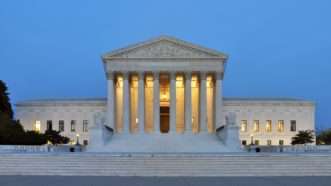
The Court made the right decision and demonstrated its independence. But it may not still claims that the election was somehow stolen from Trump.
Plaintiffs may have had standing in NFIB v. Sebelius, but they don't in California v. Texas.
The opinion was written by prominent conservative Judge David Sentelle.
The FCC did not even seek to defend its authority to impose the conditions.
At the same time, the court punts on whether the House has standing to challenge allegedly unlawful expenditure by Executive Branch.
The Supreme Court shows a willingness to enforce limits on Article III standing.
In a brief exchange during a recent oral argument, the Justice suggested the Court should reconsider giving states "special solicitude" under Massachusetts v. EPA
The plaintiffs' quarrel is with the statute book, not the defendants.
An important element of standing has already been decided by the Court

A letter signed by a wide range of scholars with different political and jurisprudential views urges Congress to sue to end illegal US involvement in the Yemen conflict.
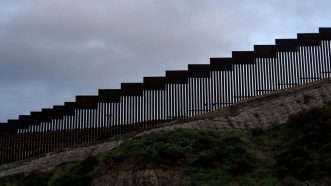
The decision does not reach the merits of President Trump's attempt to divert military funds to build his border wall.


New from Reason: a look into what Javier Milei has accomplished and what it will take to make the most of Argentina’s window for real change. Out now for subscribers.