
What the COVID Emergency Did to Our Freedoms. Live With Ian Vásquez, Nick Gillespie, and Zach Weissmueller
Join Reason on YouTube Thursday at 1 p.m. ET for a discussion about Biden officially ending the COVID-19 national emergency.

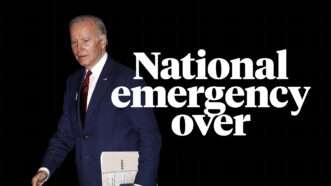
Join Reason on YouTube Thursday at 1 p.m. ET for a discussion about Biden officially ending the COVID-19 national emergency.
The COVID-19 lab leak theory was labeled "misinformation." Now it's the most plausible explanation.
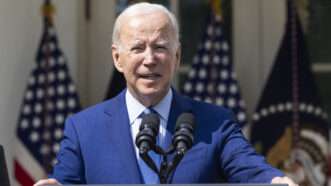
The president signed a Republican-sponsored resolution ending the national emergency declared by President Donald Trump.

Even the best studies haven't surmounted a key statistical issue, and they tend to distort the evidence to make e-cigarettes look dangerous.
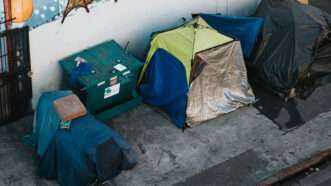
Have we forgotten the era of mass institutionalization?

Plus: The editors respond to a listener question concerning corporate personhood.

The divergent orders from judges in Washington state and Texas may bring the battle over mifepristone to the Supreme Court.

In 10 years, the programs' funds will be insolvent. Over the next 30 years, they will run a $116 trillion shortfall.

Litigation over abortion drugs turns disagreements about individual rights into a bureaucratic tussle.
Plus: Australia's failed news media bargaining code, two ways government created an Adderall shortage, and more...

The union "has an outsized impact on working families who have no other choice on where to send their children...that power, combined with a mayor who is essentially a wholly owned subsidiary, would make them a dangerous force," says one former Chicago Public Schools executive.

Eliminating taxation on compensation for being a human guinea pig is just good public policy.
Under the new Kentucky law, state-licensed dispensaries will begin serving qualifying patients in 2025.
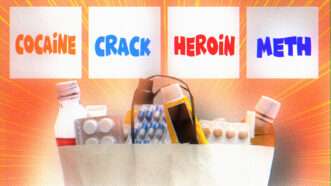
Q&A about the future of drug policy, drug use, and drug culture.
The ruling is based on separation of powers and Religious Freedom Restoration Act grounds.


Second in a two-part series published by Australian Outlook, a publication of the Australian Institute for International Affairs.

A controversial "good cause" eviction bill that would cap rent increases could be included in a budget bill that must pass by April 1.

Jonathan Haidt's integrity and transparency are admirable, but the studies he's relying on aren't strong enough to support his conclusions.
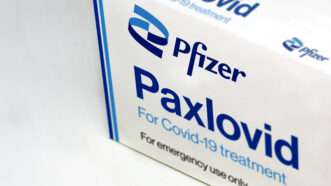
Thanks to onerous regulations, life-saving drugs are more expensive and harder to get.

The appeals court says regulators violated the Administrative Procedure Act when they tried to pull menthol vapes off the market.

Unfortunately, it doesn't seem like the recent trend of rising administrative bloat is going to reverse anytime soon.

Officials used the crisis to impose policies they already supported but couldn't get through the normal legislative process, like bans on evictions.

Two New Jersey women who gave birth last fall suffered harrowing ordeals thanks to their breakfast choices.
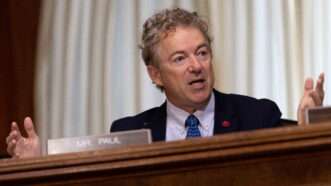
The Kentucky Republican also expressed disappointment that Congress has not repealed the war on terror authorization of military force.

It would result in shortages, decreases in productivity, and higher production costs affecting millions of American workers and nearly every consumer.

Defending a categorical ban on gun possession by cannabis consumers, the Biden administration cites inapt "historical analogues."

The legal challenge to censorship by proxy highlights covert government manipulation of online speech.

Three years after "15 days to slow the spread," things almost look like they're back to normal. But they're not.
Is testimony over Zoom consistent with a criminal defendant's Constitutional rights?
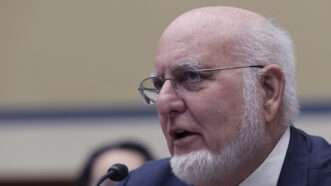
In an interview, Redfield criticized Anthony Fauci for tamping down on speculation about the potential lab leak origins of COVID-19.
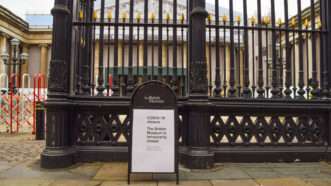
Eye-opening insights into the messy motivations behind restrictive COVID-19 responses.

Thanks to tendentiously sloppy research, most Americans think vaping is just as dangerous as smoking. That’s not true.
The latest Twitter Files shows a partnership between Stanford University researchers and government-funded organizations encouraged social media companies to police true information.
The Sixth Circuit rejects a suit against the jam maker for requiring employees to get the jab.
The higher taxes on small businesses and entrepreneurs could slow growth. Less opportunity means more tribalism and division.
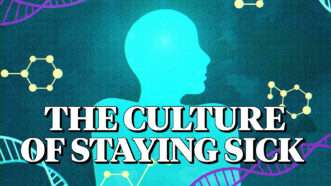
Online communities have made their diagnoses their identity.

While the FDA keeps experimental treatments out of reach, the spoonie world makes a diagnosis into an identity.

"I know either way he will use it against me.... And after the fact, I know he will try to act like he has some right to the decision," said the woman in text messages to her friends named as defendants in the suit.

During the pandemic, the U.S. mortgage market avoided collapse without any bailouts. Here's how.

Each year, the DEA sets production limits for certain drugs, including some ingredients in common amphetamine pills like Adderall.

Plus: The editors recommend the best books for sparking interest in free market principles.

The law allows abortions when there is a "medical emergency"—but what qualifies as an emergency?
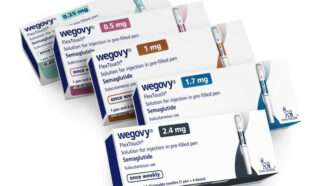
The advent of effective new weight loss drugs offers hope for millions of overweight people.

Handouts for tourist-trap museums will be part of the federal funding battleground in the next two years.
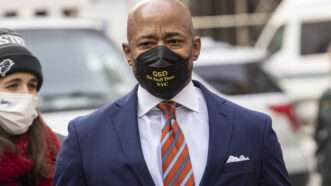
Mayor Eric Adams frets that COVID-19 masks are making it too easy for shoplifters to evade facial recognition.

Big corporations and entire industries constantly use their connections in Congress to get favors, no matter which party is in power.

"If I would have gone to college after school, I would be dead broke," one high school graduate told the A.P.
Celebrate your independence with a subscription to Reason magazine, your most trusted source of honest, insightful news and analysis.




