


Education

Why Does Trump Want the Biggest Defense Budget Ever?
Plus: Trump’s budget ignores the deficit, NASA’s Artemis program faces delays and rising costs, and a listener asks about libertarian alternatives to Medicare for All.
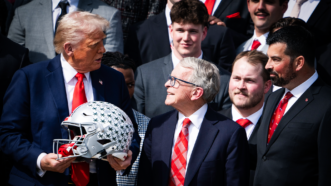
Trump's College Sports Executive Order Adds Chaos to an Already Wild Legal War
Plus: Fox and Sinclair go crying to the FCC over sports streaming, and the Masters ticket lottery makes it too hard to get in

A Jury Approves Damages After 2 Texas Cops Snatched a Supposedly 'Abandoned' Girl From Her Home
The jurors concluded that the officers violated the Fourth and 14th amendments when they seized a 14-year-old without evidence that she was in danger.
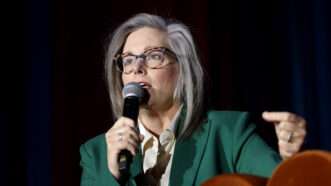
Contrary to Allegations, the Data Show Little Fraud in Arizona School Choice Program
Education freedom is under attack, including baseless accusations.
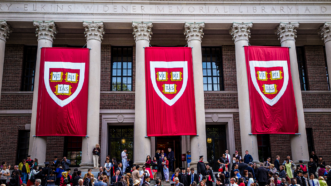
DOJ Files Civil Rights Lawsuit Against Harvard, Citing Campus Antisemitism
The Trump administration wants its federal funding back from Harvard, alleging the Ivy League university did "nothing" about campus antisemitism.
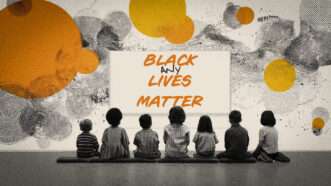
Court Backs First-Grader in Suit Over School Reaction to 'Any Life' Matters Drawing
Yes, 6-year-old students have First Amendment rights, the 9th Circuit says.

The Reading Method That Left Many Kids Behind
Balanced Literacy downplays structured phonics, where kids learn by memorizing letters' sounds. Is that why some are struggling to read?
Equal Protection Clause Challenge to Single-Sex Public School Classes Can Go Forward
Plus, some allegations of some unusual teacher behavior in the boys' class.
Carnegie Mellon Must Provide Discovery About Relationship with Qatar, in Ex-Student's Lawsuit Alleging Anti-Semitism
The student was explaining the concept of an eruv, a feature of certain Jewish neighborhoods, in class to an architecture professor, who allegedly said the time the student had spent on project "would have been better spent if [Ms. Canaan] had instead explored 'what Jews do to make themselves such a hated group.'" …
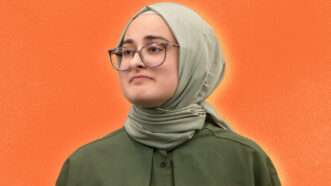
An Immigration Judge Finds No Legal Basis To Deport a Student Arrested for an Op-Ed
Rumeysa Ozturk is one of several international students targeted by the Trump administration's speech-based deportation policy.
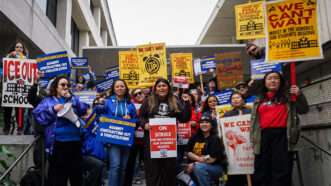
San Francisco Public Schoolteachers Make $79,468 for 184 Days of Work. Now They're Striking for Even More.
All of San Francisco's public schools were shut down Monday thanks to the United Educators strike.

So Much for Abolishing the Department of Education
The Department of Education is getting a bigger budget, less than a year after President Donald Trump ordered the department's closure.
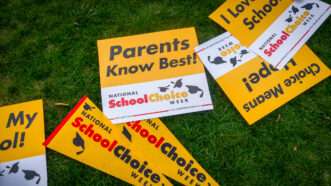
School Choice Week: Arizona Milestone Marks Growing Popularity of School Choice
Over 100,000 students use the state’s portable education funds for private schools and homeschooling.
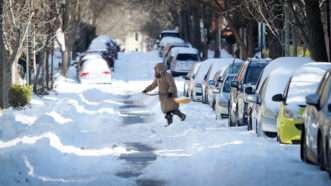
D.C. Public Schools Still Closed as City Struggles To Clear Roads and Sidewalks
As the district's struggle to clear snow drags on, the case for public infrastructure maintenance becomes weaker.
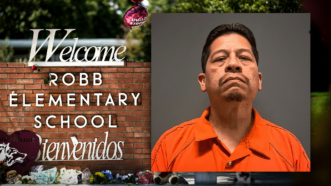
Uvalde Cop's Acquittal Shows Why It's Hard To Criminalize Failing To Stop a Mass Shooting
A Texas jury found Adrian Gonzales not guilty of endangering children by failing to confront the gunman at Robb Elementary School.

Yes, the Middle Class Is Shrinking—Because It's Moving Up
The real squeeze comes from government-distorted markets, not economic decline.
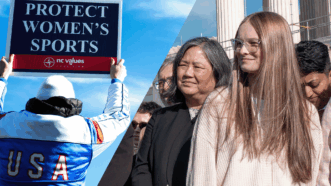
Brett Kavanaugh Is Rightly Skeptical of a Nationwide Ruling on Trans Athletes
State lawmakers should be more skeptical of overly broad laws, too.
Texas A&M Removes Plato from Introductory Philosophy Class
New "gender ideology" rule has predictable results

A School District Cop Allegedly Did Nothing To Stop the Uvalde Mass Shooting. Was That Failure a Crime?
Adrian Gonzales is on trial for acts of "omission" that prosecutors say amounted to 29 felony counts of child endangerment.

How the Trump Administration Quietly and Quickly Took Over 3 Golf Courses in Washington, D.C.
Plus: Thank capitalism for the best parts of college football bowl season
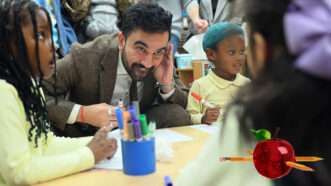
NYC Schools Are Losing Students and Burning Cash. Mamdani Could Make the Situation Worse.
New York schools need more choice and better curricula, but the city's new mayor wants to take choices away.

6 Ways Sports and Politics Will Collide in 2026
From college sports to league expansion, politicians are going to have plenty of sway over sports next year.

Mamdani's $6 Billion Child Care Expansion Would Be a Handout to Wealthy New Yorkers
The more the government intervenes in the market, the more New York parents pay for child care.

Why College Students Prefer Socialism—and Why They're Wrong
When the media say the middle class is in decline, they're technically right—because people are getting richer.

The 9th Circuit Upholds a University of Washington Professor's Right to Mock 'Land Acknowledgments'
The appeals court ruled that administrators violated Stuart Reges' First Amendment rights when they investigated and threatened to punish him for constitutionally protected speech.

This Tennessee Man Spent 37 Days in Jail for Sharing an Anti-Trump Meme. He Says the Cops Should Pay for That.
Larry Bushart's lawyers argue that his arrest for constitutionally protected speech violated the First and Fourth amendments.

Survey: 91 Percent of College Students Think 'Words Can Be Violence.' That Could Feed Real Violence.
But there's a silver lining—sort of.
Washington Post: "Trump's Attack on DEI May Hurt College Men, Particularly White Men"
Yet the facts in the article would equally have supported the headline, "Elite Private Colleges Apparently Hurt College-Bound Women, Trump May Stop That."
Why Are 38 Percent of Stanford Students Saying They're Disabled?
If you get into an elite college, you probably don't have a learning disability.
University of Oklahoma Student Is Justifiably Shocked at Sudden Expectation She Be a Good Writer
What the controversy over a failing grade for a bad essay reveals about the true purpose of higher education.
Bill de Blasio's Diversity Push for These Schools Lowered Admissions Standards—and Didn't Increase Diversity
New data display the failures of the expanded Discovery Program.
Federal Trade Commission Staff Endorses Proposal to End American Bar Association Monopoly on Law School Accreditation
FTC staff support the proposal by the Texas Supreme Court to allow for alternative means of accreditation.

The Trump Administration Says Nursing Isn't a Professional Degree. Here's Why That's a Good Thing.
The decision isn't a value judgment. It's a recognition that nursing school is usually cheaper than medical school.
Chicago Is the Latest Example of How Public School Spending Doesn't Prioritize Students
Misused pandemic funds, luxury travel, and declining achievement reveal a crisis of priorities—one only school choice can fix.


What Would Bill Buckley Do?
The National Review founder's flexible approach to politics defined conservatism as we know it.

Should Affirmative Action End?
Jason Riley and Paul Frymer debate affirmative action and the Supreme Court.
US News and World Report Article Urging Colleges to Reject Trump's "Compact" With Higher Education
I coauthored the article with four other legal scholars from across the political spectrum.

DOGE Effect Finally Felt
Plus: Academic standards in crisis, everything's television, and more...
Homeschooling Hits Record Numbers
Last academic year, DIY education grew at nearly three times the average rate it did during the COVID-19 pandemic, according to new research.




