
The Breonna Taylor Shooting Shows How Reckless Drug War Tactics Lead to Senseless Deaths
At this point, police can hardly be surprised when they are mistaken for armed criminals.

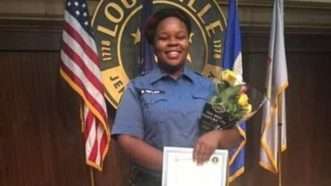
At this point, police can hardly be surprised when they are mistaken for armed criminals.
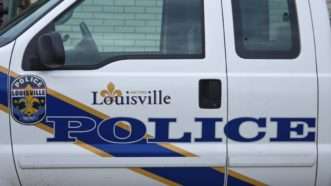
Louisville Metro Police Department said officers identified themselves in a no-knock raid. Neighbors said that's not true.
Botanical accuracy, puppycide, and accusations of impropriety.
Our new paper on circuit court judges’ citation practices produces surprising results.
Are they “subordinate state officers”? Do they perform a “federal function”? Do they hold a “Public Trust under the United States”?
The book and mini-series imagine Pres. Charles Linbergh dispersing Jews to the hinterlands, but FDR was the one who actually favored that.

In "Operation Asian Touch," federal agents coerced suspected human-trafficking victims into sex acts. Local cops seized money and threw them in jail.
Is there statutory jurisdiction in California v. Texas?
On the possible risks of contagion, and why Evangelicals sue.
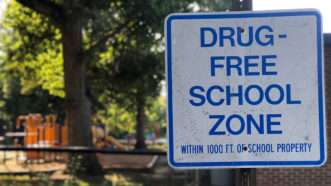
Too often, minor drug crimes turn into mandatory minimum offenses with lengthy sentences despite the fact these types of cases rarely involve drug dealing to minors.
Justice Breyer and Gorsuch were annoyed by this "manufactured litigation."
What about Ableman v. Booth (1858)?
How would Universities actually take steps to prevent the spread of COVID-19?
I hope the Supreme Court takes these recommendations seriously.
in a hypothetical question posed by Justice Thomas.
A guest post from Professor James Phillips
This week the justices are considering 13 petitions involving the pernicious doctrine of qualified immunity.
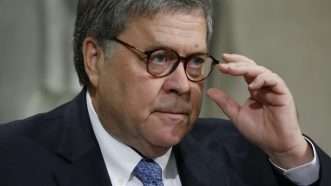
A Connecticut federal prison's failures to grant early release to eligible inmates "amount to deliberate indifference" under the Eighth Amendment, the judge says.
The first major affirmative action case went down in history as a case about "reverse discrimination" favoring blacks, but the underlying facts were more complicated.
Douglas Letter's refusal to provide a limiting principle may have been deliberate.
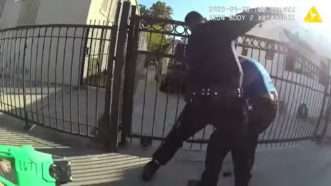
The LAPD released body camera footage of Frank Hernandez's use-of-force incident.
So held a federal district court in Kentucky, in an epidemic-related lawsuit.
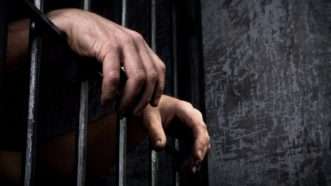
Congress expanded compassionate release to allow inmates to petition judges, but federal prosecutors tried to use plea bargain agreements to subvert reforms, the judge says.
No, such individuals are pledged to violate university policy, civil rights laws, and academic freedom.
It's Episode 315 of the Cyberlaw Podcast.
Fun fact about McGirt v. Oklahoma, where Oklahoma is arguing against the claim that Indian tribes had maintained jurisdiction over large chunks of Oklahoma (including Tulsa).
A Reuters report suggests changes in qualified immunity doctrine have immunized police officers sued for misconduct.
How will the Supreme Court handle oral arguments in the future? I propose a ticket lottery.
I will be talking about the Constitution and the Coronavirus over Zoom for the WIlliam F. Buckley Program
Adrian Vermeule responds to Josh Hammer. We are watching an important debate unfold before our eyes.
But that provision did not make the final bill.
This question may soon become relevant in the District of Columbia.
So the Sixth Circuit held today, because of the many exceptions the Kentucky order provides for secualr activities.
Celebrate your independence with a subscription to Reason magazine, your most trusted source of honest, insightful news and analysis.




