
FCC Chair Brendan Carr Echoes Trump, Threatens Broadcasters Over 'Fake Polls'
Once again, Carr is playing defense for his boss in a way that would clearly run afoul of the First Amendment.

Once again, Carr is playing defense for his boss in a way that would clearly run afoul of the First Amendment.
The antitrust investigation adds another layer of bullying to Trump's vendetta against "Fake News Media Outlets."
The president stands out from his modern predecessors by openly displaying his contempt for the First Amendment.
Disney asked a federal court to end the FCC's investigation of its ABC broadcast licenses, which it has called "pretextual" and "retaliatory."
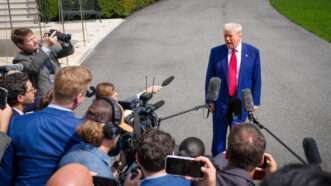
The president has a long history of retaliating against journalists who offend him.
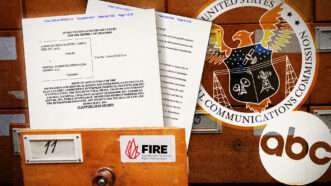
FIRE, Cato, PEN America, and others take on the broadcasting police.
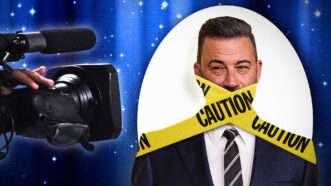
For the second time this year, Talarico appeared on a late-night show only to be bumped in response to federal threats.
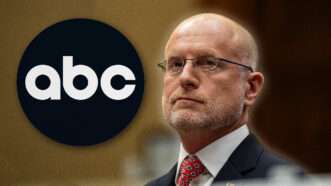
The FCC chairman is punishing the network for news coverage and programming decisions that offend the president.

"Government censorship is deeply un-American," the lawsuit states, before listing numerous times the government has tried to censor it.
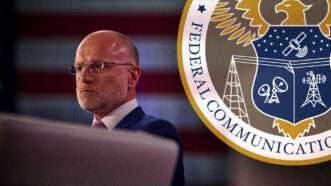
It's not clear if the agency even has the legal authority to make the change. But if it goes through, there's little to worry about.
Fourteen organizations otherwise supportive of the Trump FCC's agenda cautioned against abusing powers that could later be used against conservatives.
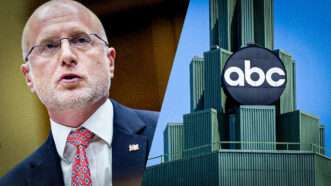
The FCC chairman thinks the "public interest" standard is a license to interfere with freedom of the press.
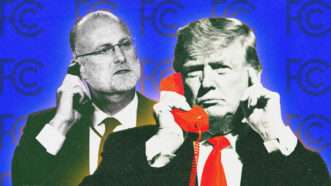
FCC Chairman Brendan Carr seems to think TV stations are legally obligated to please the president.
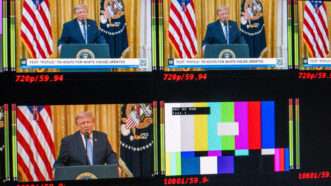
As someone should have explained to him by now, that's not how it works.
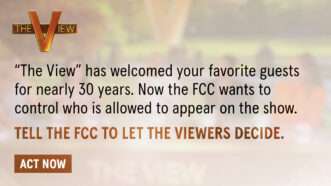
FCC Chairman Brendan Carr is targeting the Disney-owned broadcaster with two different government enforcement actions.
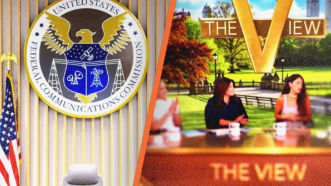
The FCC chairman seems determined to impose a requirement that would amount to a ban on interviews with political candidates.
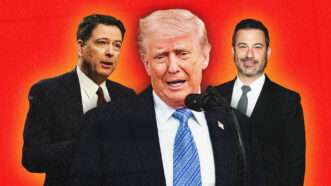
The president is not shy about using government power to punish people for saying things that offend him.
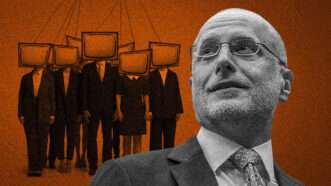
The First Amendment does not allow the FCC chairman to police news coverage.
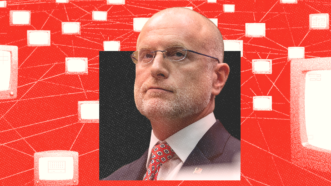
The FCC chairman's reasoning is faulty.
In war, the facts are hard to determine. In Carr’s war against broadcasters, the facts are easier to see.
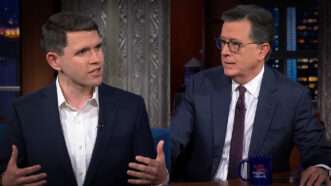
If anything, the incident just provided further proof that the equal-time rule should be abolished.
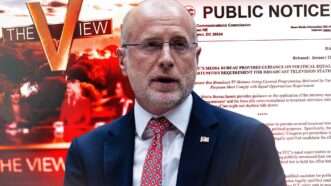
The equal-time rule is an antiquated regulation that becomes more obsolete with each passing year.
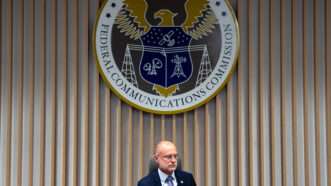
The constitutionally anomalous status of broadcasting invites government meddling.
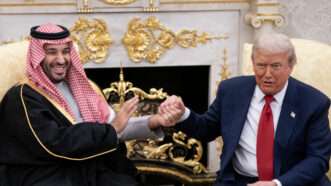
The president thinks TV networks have a legal obligation to cover him the way he prefers. The FCC's chairman seems to agree.

Plus: Betting scandals come to baseball, and happy Veterans Day
The default in mainstream media isn't no opinion, it's his opinion.
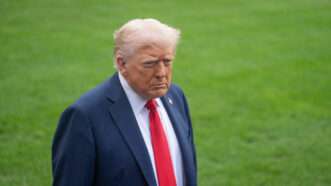
History suggests that Republicans will regret letting the FCC police TV programming.
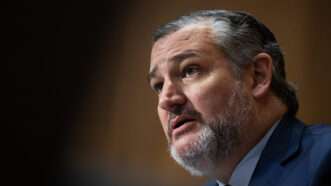
Rand Paul concurs that the threats preceding the comedian's suspension were "absolutely inappropriate" because the agency has "no business weighing in on this."
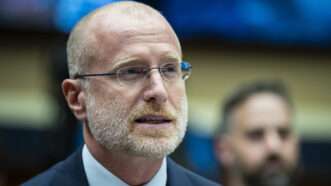
"We can do this the easy way or the hard way," the FCC chairman said, threatening to punish broadcasters for airing the comedian's show.

As a minority FCC member during the Bush administration, Carr condemned government interference with newsroom decisions.
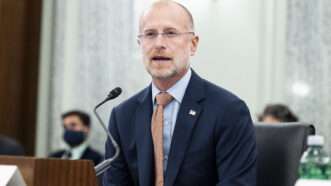
Chairman Brendan Carr thinks his agency should strive to ensure that news coverage is fair and balanced—a role precluded by the First Amendment.
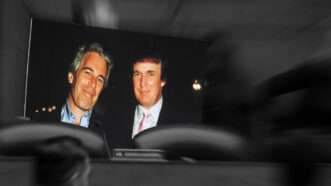
Whatever the merits of this particular defamation claim, the president has a long history of abusing the legal system to punish constitutionally protected speech.

The company's surrender to Trump's extortion vindicates his strategy of using frivolous litigation and his presidential powers to punish constitutionally protected speech.
In a legal filing this week, Trump argued that routine edits to a CBS News interview he did not participate in caused him "confusion and mental anguish."
The president has launched a multifaceted crusade against speech that offends him.
The president's portrayal of journalism he does not like as consumer fraud is legally frivolous and blatantly unconstitutional.
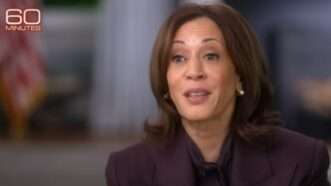
The full transcript shows the president's complaints about the editing of the interview are not just wildly hyperbolic and legally groundless. They are demonstrably false.
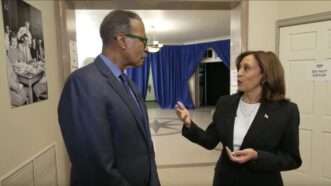
Donald Trump's complaints were always meritless, but CBS' capitulation sets a dangerous precedent for the future of the news media.
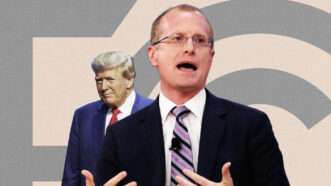
Brendan Carr has a clear record of threatening to suppress constitutionally protected speech.
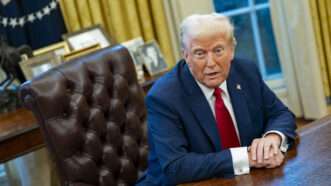
The company is worried that the president's complaints about a 60 Minutes interview with Kamala Harris could block a pending merger.

The host of This Week repeatedly and inaccurately asserted that Trump had been "found liable for rape."
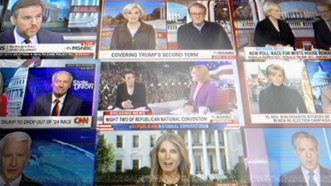
What comes next will be more fragmented, more decentralized, and more authentic than the old legacy networks.
"Reining in Big Tech," Brendan Carr says, requires scrapping liability protections and restricting moderation decisions.
The decades-old regulation imposes burdens that no other media outlets are subject to.
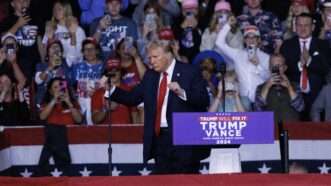
The Republican presidential candidate argues that CBS and The Washington Post broke the law by covering the election in ways he did not like.
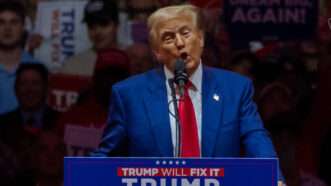
Despite his cluelessness, the former president's inclination to punish constitutionally protected speech reflects his authoritarian disregard for civil liberties.
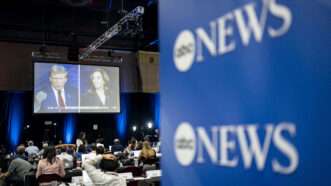
Trump's greatest enemy on Tuesday wasn't ABC. It was himself.
Celebrate your independence with a subscription to Reason magazine, your most trusted source of honest, insightful news and analysis.




