C. Jarrett Dieterle is a Legal Policy Fellow at the Manhattan Institute and the author of Give Me Liberty and Give Me a Drink!

Alcohol Escapes a Government Crackdown—for Now
A quiet push to declare “no safe level” of drinking has officially fizzled.
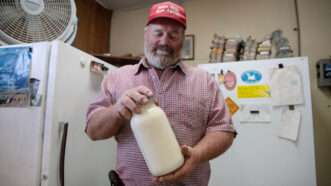
Florida officials can’t agree on whether unpasteurized milk is a health threat or benefit, leaving consumers more confused than if they were left to decide for themselves.
A federal judge ruled that Peninsula Township’s former restrictions on music, events, and grape sourcing violated the rights of local wineries.
Helping servers takes more than a temporary tip tax break.
The Douglas, Michigan, city government is hitting a homeowner with crushing fines after reversing its own approval. She’s fighting back in federal court.
Downsizing pushed the Tobacco Tax and Trade Bureau to adopt tech solutions that it could have tried years ago.
Two decades after Granholm v. Heald was supposed to end protectionist shipping laws, states and lower courts continue to undermine the decision.
As climate and equity proposals lose steam, activist investors are targeting junk food, soda, and alcohol in the name of corporate responsibility.
The city passed a law cracking down on food delivery companies rather than the reckless drivers creating chaos on sidewalks and streets.
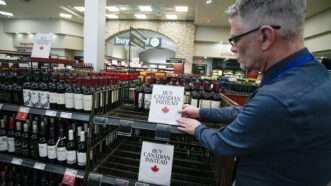
Canada’s retaliation against Trump’s tariffs is wiping American alcohol off store shelves—and fueling an unexpected push to deregulate its own restrictive liquor laws.
State laws banning caged eggs are cutting off millions from cheaper options.
Big Chicken wins while small farmers and processors face costly regulations—and consumers remain at risk.
Trump’s RFK Jr. nomination and another rumored cabinet ally may give raw milk legalization its biggest boost yet.
A proposed alcohol tax hike will hit immigrant-owned liquor stores while city spending on nonessential projects remains high.
The states already overregulate alcohol. There's no need for a federal layer of red tape.
From tariffs to dietary guidelines, this election may bring the biggest federal changes to alcohol since Prohibition’s end.
In the heart of California Wine Country, rigid local rules are choking small businesses and stifling growth
Americans are turning to home-cooked meals, but state regulators are making it harder for small food businesses to survive.
Government incompetence strikes again, turning the wine industry upside down with red tape and confusion.
Some people really think nonalcoholic beer is a gateway to alcoholism.
Utah’s experiment with stricter drunk driving laws has led to more fatalities, not fewer. The push for lower BAC limits is missing the real problem.
The FDA’s latest nutrition rules target dried cherries and cranberries, putting small farmers at risk while offering zero benefits to consumers.
Despite increasing demand, cities across the U.S. are pushing bans on new drive-thru restaurants in the name of reducing traffic and promoting walkability.
If you want to drink alcohol in California after 2 a.m., it helps to be the billionaire owner of the L.A. Clippers.
Government pre-approval for every label could crush craft breweries. And do you really want to force the Carthusian monks who make Green Chartreuse to reveal their ingredients?
Amid rising grocery costs, the FTC's fight against the merger may end up hurting the very consumers it's supposed to protect.
Washington bureaucrats are rewriting the rules on drinking, and a hidden panel of unelected officials could be paving the way for Prohibition 2.0.
But 11 states still forbid wine from being sold in grocery stores anyway.
It seems anything the government touches dies—today, it’s thousands of acres of once-productive vineyards.
Bureaucratic overreach is stirring up unnecessary trouble for Utah bartenders.
Competing visions on tipping policies highlight the differences in the candidates’ approaches to winning over working-class voters—but neither will provide much benefit.
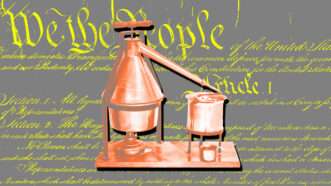
A modern legal battle challenges the federal ban on distilling alcohol at home—a favorite hobby of the Founding Fathers.
A proposed USDA rule would require RFID tagging of all cattle and bison that move across state lines.
The feds’ focus on large-scale crops hinders the resurgence of heritage grains and results in less food diversity.
New research and paternalistic legislators could threaten our last in-flight comfort.
Proposed legislation mandates folic acid in masa flour, sparking fears among traditional tortilla makers about costs and cultural impact.
Once booming, the industry now faces closures and stifling market access due to outdated laws and burdensome middlemen.
It isn't about stopping crime—it's about protecting a favored constituency's jobs.
Arcane tax rules based on carbonation levels are flattening the growth of America's craft cider industry.
Uncovering Big Beer’s crafty campaign to limit consumer access to canned cocktails.
Chasing Seattle's shadow, Minneapolis' new ride-share wage law threatens to derail the gig economy.
Sadly, not by drinking it—the government just lost a fifth of the state’s inventory.
Just two weeks after the law went into effect, Seattleites had to contend with $26 coffees and $32 sandwiches.
The infamous food-beverage ratio may be reformed, but not abolished.
A new joint employer rule from the NLRB threatens to fundamentally change the business relationship between a franchise and its parent company.
Cities around the country are contemplating bans on drive-thrus and other new regulations.
According to a new study there is no correlation between increased youth drinking during COVID and alcohol delivery.
New from Reason: a look into what Javier Milei has accomplished and what it will take to make the most of Argentina’s window for real change. Out now for subscribers.