
Libel
Interesting #TheyLied Appellate Libel Decision in Response to #MeToo Claims
I've been seeing many such libel lawsuits recently, though only a few have gone so far as to yield a verdict for the libel plaintiff.
The Hunter Biden Laptop Repairman's Federal Libel Lawsuit Against Twitter Fizzles Quickly …
though the case can be refiled in state court.
Latest Decision in Sarah Palin v. N.Y. Times: N.Y.'s New Anti-SLAPP Law Is Retroactive
If this decision stands, then the Supreme Court wouldn't have a chance to reconsider the N.Y. Times v. Sullivan "actual malice" requirement in this case (not that it was likely to in any event).
Hunter Biden Laptop Repairman Sues Twitter for Labeling the Documents "Hacked"
Twitter's labeling, John Paul Mac Isaac contends, implicitly accused him of being a hacker, and was therefore libel.
Calling Someone a "Twisted Moron" Isn't Libelous
"The statement at issue here is plainly an opinion, albeit an unflattering one."
Saying Someone "Just Likes to Talk a Lot" Is Not Defamatory
What? Is there something supposedly wrong with liking to talk a lot?
Equal First Amendment Rights for Non-Media Speakers in Oregon
We've just filed a friend-of-the-court brief asking the Oregon Supreme Court to protect such equal rights, and overturn Oregon precedent that denies such rights.
Calling Neighbor "Slum Lord" on Facebook Found to Be Constitutionally Protected Opinion
at least in the context of a Facebook squabble.
Law Professor vs. Law Blog Commenters Libel Suit Dropped
A company had a trademark canceled in a Trademark Trial & Appeal Board proceeding, based on what the Board described as the company's "delaying tactics, including the willful disregard of Board orders." The TTABlog posted about it, and some commenters criticized the company's lawyer, who sued them for libel.
Maybe He Deserved Those Negative Online Reviews?
"Underhill was disciplined for publicly responding to former clients’ negative online reviews with internet postings that disclosed sensitive and confidential information obtained during the representation. Underhill then ...."
First Amendment Generally Protects Speech in the U.S. by Non-U.S.-Citizens/Residents
An interesting, though unsurprising, decision in a case brought by prominent Russian businessmen over the Fusion GPS Steele Dossier.
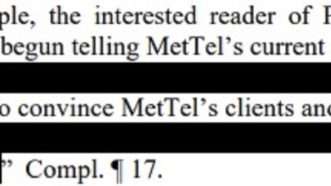
Libel Case Can't Be Litigated with Alleged Libel Sealed
So says the Delaware Court of Chancery: "If the information currently redacted remains so, the public will have no means to understand the dispute MetTel has asked the Court to adjudicate."
Criminal Libel for High School Student to Falsely Write That He'd Had Sex with Teacher
Louisiana is one of about a dozen states that has a criminal libel statute; my sense is that, throughout the country, there are likely about 20-30 criminal libel prosecutions per year.
"a homosexual social media website called reddit"
A mayoral candidate, a supposed Aryan bicyclist, a video, a newspaper story, and a libel lawsuit.
Some Thoughts on the Avenatti v. Fox News Libel Lawsuit
Past perfect, libel-proof plaintiffs, substantial truth, “actual malice,” statutes of limitations, and more.
Lawyer Gets Temporary Injunction Against Gripe Site That Says He's a "Fraud," "Cowardly," "Cannot Be Trusted"
But I think the First Amendment prohibits such pretrial injunctions, and in any event the injunction targets opinions and not just false factual assertions.
Trump v. CNN Libel Suit Dismissed for Now
The court finds that the Trump campaign didn't offer enough facts suggesting that CNN knew the statement was false (or was likely false); the campaign is allowed to file an amended complaint if it can make more specific allegations.
Not Libel to Defame a Pseudonymous Chat Group User …
so long as the user's true identity is unknown to the audience, and the pseudonym has no "legally cognizable independent reputation" (as when the pseudonym is used by an author to sell books).
Criminal Libel Conviction Over Fake-Name Online Reviews
An interesting new case from Wisconsin.
Gossip About Real Housewives of Orange County "Bravolebrities" Is on "Public Issue"
So holds the California Court of Appeal, interpreting the California anti-SLAPP statute.
"Fake News": Preventing Falsehoods in Candidate Statements in Ballot Pamphlets
The Washington Supreme Court overrules a trial court's order requiring the removal of one such statement; but what should the general rule on this be?
Cop's Libel Claim Over Amazon-Distributed Free Meek Documentary Can Go Forward
Officer Saqueta Williams had been on the DA's "Do Not Call [to Testify] List" because of alleged assault during an off-duty incident (as to which she was later acquitted)—she alleges the documentary falsely implied that she was on the list because she was "dirty and dishonest."
Conservative Commentator Candace Owens Sues USA Today and Fact-Checker "Lead Stories" for Libel
over allegedly false fact-checking "charging [Owens] with spreading misinformation about the Covid-19 pandemic on the internet in 'an attempt to downplay the severity' of the pandemic."
Minnesota Order Banning "False or Defamatory Statements" Limited to Knowingly False And Defamatory Statements
So says the Minnesota Court of Appeals, as to a "harassment restraining order."
Justice Thomas Writes in Favor of a Narrow Reading of 47 U.S.C. § 230
He seems open to materially increasing Internet service and content providers' liability for libels posted by their users, and based on other user misconduct.
No Preliminary Injunctions Against Libel
A good illustration of the modern rule, which allows some permanent injunctions against repeating specific statements found to be libelous at trial—but only after such a finding on the merits.
Nevada S. Ct. Vacates Preliminary Injunction Against "False or Defamatory" Speech
The injunction, the court held, is an unconstitutional prior restraint.
Reputation Repair Service Costs as Measure for Damages in a Libel Case
An interesting decision, on a motion for default judgment.
Libel Lawsuits Against Federal Government Officials (E.g., Senator Warren or President Trump)
Under the Westfall Act, the Justice Department can generally take over the defense of many such cases—and then get them dismissed.
Rule 11 Sanctions in "Quackwatch" Libel Case
Plaintiffs claimed that defendants had libeled them to foreign officials—but didn't have enough evidence that the defendants had actually said anything to those officials.
Sarah Palin's Libel Lawsuit Against the New York Times Can Go to Trial
There is enough evidence that the Times knew their allegations were false (or at least were likely false) to go to the jury.
#MeToo, #TheyLied, and Pseudonymous Litigation (II)
When can libel plaintiffs, suing over allegedly false claims of sexual misconduct, sue pseudonymously? When can defendants defend pseudonymously?
