
How the War Made Journalism Harder in Iran
The authorities are cracking down on Iranians who interact with foreign media.


The authorities are cracking down on Iranians who interact with foreign media.
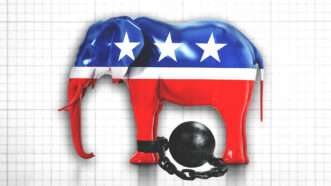
You cannot spend years governing this way—defying voters' clear directive to lower prices—and then expect the fear of what Democrats might do to spare your party from accountability.

Republicans temporarily blocked it with a procedural maneuver. But it is highly likely to come back.

The House voted 211-204, largely along party lines, to refer the impeachment effort to a committee, effectively killing the proposal.
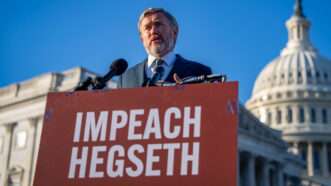
The charges against the secretary of defense include his negligent attack on an Iranian school and his deliberate attacks on drowning Caribbean sailors. That’s important.
A prominent conservative legal commentator explains why Hegseth should be convicted on at least some of the charges.

Plus: Stephen Miller's promotion to White House chief of staff, Democrats' push for progressive policies, and the emerging 2028 presidential field.

Iran may not be the only reason the Republicans did poorly, but it certainly seems to be a major one.
He deserves it for his role in starting an unconstitutional war and perpetrating over 200 murders.

Robby Soave and Christian Britschgi discuss the fallout from the 2026 midterm elections, the possibility of Woke 2.0, and the 2017 film The Death of Stalin.
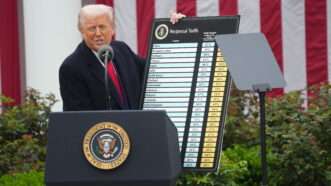
Trump's unconstitutional policies on tariffs, the Iran War, and immigration played a big role in his party's enormous "Blue Tsunami" election defeat.
Robby Soave and Amber Duke recap the 2026 midterms and what they mean for future of the GOP.

Plus: the GOP's uncertain future, the rise of anti-tech populism, and the road to 2028

Democrats alienated Arab Americans in the last election. Now Republicans have driven them back.

Congress shouldn't be afraid to remove the secretary of defense for his many war crimes and misdemeanors.

Congress has some options for constraining the president’s war-making powers. Will it use them?
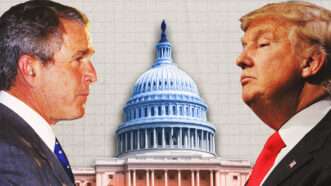
It's 2006 all over again. The sooner the Republican Party jettisons an unpopular president and his failed policies, the sooner it will recover.
In several key Senate races, GOP candidates broke against Trump's wildly unpopular war. But only after previously supporting it.


The new Harvest Fuel Relief program is the latest payment to farmers squeezed by the president’s own war and tariffs.

The Jones Act requires all goods moved between American ports to be carried on American-built, American-crewed ships.

Republicans who want to speak to voters' anger over higher prices without criticizing the president who's caused them are in a bind.


If laws passed by Congress do not apply to presidential actions, then we no longer live in a democracy.

Two very different sorts of drone warfare

Over the last three years, I have written a number of pieces on October 7, its aftermath, and Western reactions to it.
Congress can stop Trump's Iran war by failing to fund it.
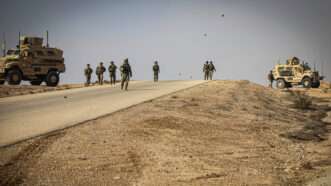
Ending over 20 years of intervention is a step in the right direction, but tens of thousands of soldiers remain in the war-torn region.

Plus: rising debt and mortgage rates, whether AI will make government obsolete, and how to pitch Reason to your friends
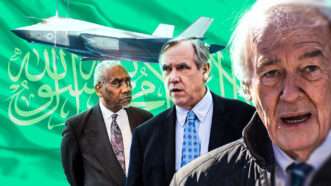
The Trump administration has rejected jumping straight into Yemen, for now. But Congress may be laying the ground for U.S. involvement.

It would actually make a bad situation worse in the long run.

Crossing the Red Line peels back the curtain on the bureaucratic machinery behind U.S. involvement in Gaza and beyond.

The latest expansion of the war into Yemen is compounding the damage to oil supplies.

The Congressional Budget Office says the inflationary consequences of the war will be felt well into 2027.

Militaries are leaning on AI software for surveillance and targeting.

The Kentucky congressman says he will force a vote on removing Hegseth, who is accused of "abusing the power of his office to ignore congressional war powers resolutions, to kidnap foreign leaders, and to intimidate critics of the Trump administration."

The government ensured that there would be no end to the public's fears—and no real justice for bin Laden's victims.
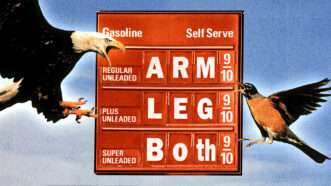
Gasoline is up nearly 30 percent, and diesel prices are at a record high since the war began.
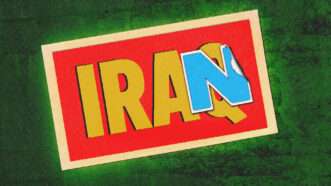
Hawkish pundits predicted both wars would be swift and successful. That's not how it turned out.

With the conflict over Hormuz dragging on, the administration is betting on a strategy that failed at the beginning of the war.


Robby Soave and Amber Duke break down the latest developments in the Iran war.

Plus: the escalating war with Iran, Meta's $17 billion settlement, and Milo Yiannopoulos gets deported.

The United States' shift toward aggressive interventionism was well underway before the 2001 attacks.

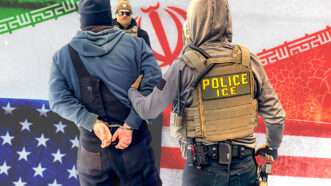
Newly released FOIA files reveal a back channel between ICE's office in Israel, the Qatari government, and the Islamic Republic.
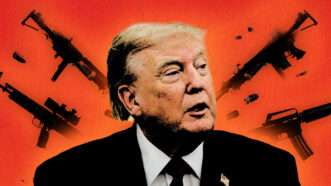
The U.S. military is downsizing exercises in South Korea and pulling its last aircraft carrier out of the Pacific.
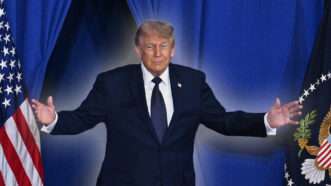
A bill to sanction Russia would allow the president to place 100 percent tariffs on goods from countries that buy Russian fossil fuels.


New from Reason: a look into what Javier Milei has accomplished and what it will take to make the most of Argentina’s window for real change. Out now for subscribers.