

Free Speech
TRO Orders Removal of Allegations of DMCA Takedown Fraud and of Forged Court Order Submission—but …
... there had seemingly indeed been suspicious DMCA takedown requests targeting criticism of plaintiffs, though it's not clear whether they were submitted with the plaintiffs' approval.
Court Rejects Subpoena Request from Turkey Seeking Records on Gülen Movement Member, Allegedly for Turkish Financial Crime Prosecution
"[T]he sheer breadth of the discovery sought in Türkiye's Application, considered in light of the colorable allegations of political motivation presented in support of Turkyolu's motion, weighs heavily against the Application at this time."

St. Louis Fan Removal for MAGA Hat Ignites Debate Over Free Speech
Michael Weitzel was ejected for violating the club’s fan code of conduct, which prohibits “threatening, abusive, or discriminatory" symbols and language.
TRO Against Alleged Defamation, and Also Banning "Harassing Conduct"
Plaintiff alleges Defendant engaged in "a coordinated online campaign making false statements," such as "accusing Plaintiff of design/invention theft, racism, ... and encouraging the public to report Plaintiff's online shopping platforms on sites like Etsy, Shopify, and TikTok as fraudulent and/or ... [as] selling counterfeit goods.'"
Russian Opera Singer Anna Netrebko's National Origin Discrimination Lawsuit Over Firing by N.Y. Metropolitan Opera Can Go Forward
So a federal judge held Tuesday, reversing its contrary decision from last year.
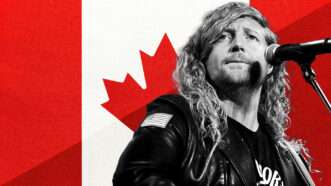
Montreal Fines Church $2,500 for Hosting a Controversial American Singer
Christian artist Sean Feucht has been forced to find new venues for all six of his most recent shows in Canada.

The U.K. Keeps Threatening To Censor American Tech Companies
X has begun restricting content related to Gaza for its U.K. users, and Reddit has implemented age-verification measures to view posts about cigars.

Safe Spaces Are Coming Back to Brown University—All Thanks to Trump
The campus' settlement with the federal government is bound to create free speech headaches.
"If Doe Wishes to Use Judicial Proceedings" "to Seek Relief from … Defamat[ion],"
"he must do so under his true name and accept the risk that certain unflattering details may come to light over the course of the litigation."

You Shouldn't Need a License to Talk
Occupational licensing can be useless, harmful—and even a threat to free speech.

Canada Seeks To Jail Freedom Convoy Organizers for 8 Years
Too many government officials see dissent as the worst crime imaginable.
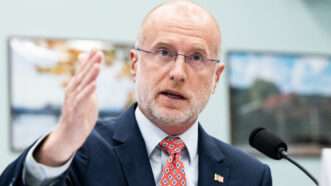
FCC Chairman Brendan Carr's Meddling in Broadcast Journalism Contradicts His Own Avowed Views
As a minority FCC member during the Bush administration, Carr condemned government interference with newsroom decisions.
The ACLU Says a New York Official Violated the NRA's First Amendment Rights. They Still Can't Sue Her.
A federal court concluded the official was entitled to qualified immunity in a case that united two unlikely allies.
"Plaintiff's Complaint Is Focused on Discrimination Related to Positionality Across Multiple Marginalized and Vulnerable Communities"
Not enough to get pseudonymity for plaintiff's employment discrimination claim, at least in S.D. Tex.
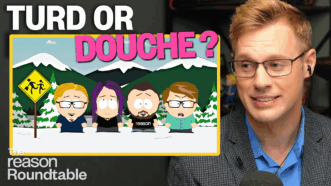
South Park Is Saving Free Speech!
Plus: Trump’s "woke AI" order, Gawker’s cultural legacy, and a listener question on deregulation and the BBB.

10 Years in Prison for Selling a T-Shirt of a Hugo Chávez Statue Getting Smashed
Two Venezuelan women were convicted of incitement to hatred, treason, and terrorism.

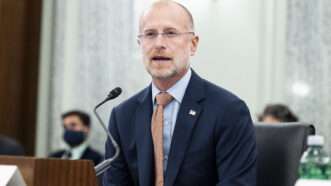
The FCC's Paramount/Skydance Decision Aims To Reshape Broadcast Journalism by Bureaucratic Fiat
Chairman Brendan Carr thinks his agency should strive to ensure that news coverage is fair and balanced—a role precluded by the First Amendment.
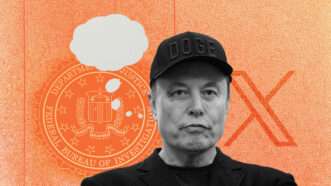
X's Win in Federal Court Is a Victory for Free Speech and Open Disclosure
The D.C. Circuit Court of Appeals has placed minor restraints on the government’s ability to impose gag orders on secret subpoenas issued to tech companies.

Famine in Gaza
Plus: The Columbia settlement as a "blueprint" for going after other universities, South Park lampoons Trump, and more...
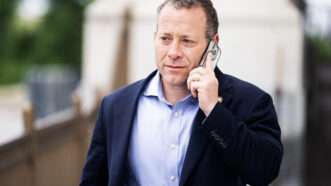
This Bill Would Fine Social Media Companies $5 Million Every Day for Not Fighting 'Terrorism'
The STOP HATE Act wants social media platforms to report their moderation policies and outcomes to the government. And it’s not the only censorial measure Rep. Josh Gottheimer wants.
The Feds Roll Back Their Influence Over NPR Only To Claim Greater Influence Over TikTok
Politicians' interest in controlling the content you see shifts from public media to social media.

Meet Stephen Colbert's Biggest Fans: Congressional Democrats
When even Keith Olbermann is providing a much-needed sanity check, it says something.
California Is Advancing a Bill To Punish Social Media Companies for Not Suppressing Speech
Senate Bill 771 would fine platforms up to $1 million if their algorithms relay hate speech to users.
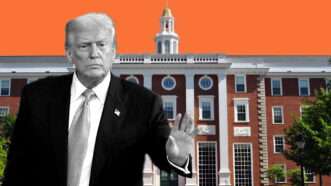
Trump Administration Opens New Investigation Into Harvard, Escalating Pressure
The investigation comes only two days after a federal judge cast doubt on the Trump administration’s argument in Harvard’s lawsuit over federal funding.

Police Officer Threatens To Run Over Protester for Filming on the Sidewalk
The city of Allentown has spent more than $2 million settling excessive force claims, and yet the police still crack down on civilians exercising their constitutional rights.

Denying Funding to Planned Parenthood Groups Because Their "Affiliates" Perform Abortions Violates First Amendment
So a federal judge held yesterday, acknowledging that the government may refuse to fund abortions, but concluding that the exclusion of funding to affiliates unconstitutionally violates their rights of expressive association.

Defending Its Speech-Based Deportation Policy, the Trump Administration Says 'No Such Policy Exists'
The government's gaslighting strategy suggests that federal officials are not confident about the constitutionality of punishing students for expressing anti-Israel views.
Settlement as to Alleged Suspension for Saying "Illegal Alien" in Class Discussion
High school student gets correction of school records, $20K, and public apology for "mischaracterization of racial bias."
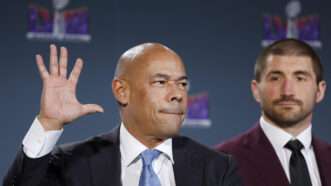
NFL Players Union Head Lloyd Howell Resigns After $2,426 in Strip Club Receipts Scrutinized
Plus: WNBA players want a raise, and Trump wants Redskins?
#TheyLied Lawsuits Alleging False Title IX Complaints: Defamation and Malicious Prosecution
"Malicious prosecution," which covers the bringing of civil and administrative quasi-judicial complaints and not just criminal complaints, becomes especially relevant given a recent Colorado Supreme Court decision limiting defamation claims.
"Protecting Reputation Is Not Enough to Overcome Public Access" to Court Records
A lawyer tried to seal a copy of an earlier judge's order that had made certain claims about the lawyer.
'Subway Surfing' Death Suit Against TikTok, Meta Further Chips Away at Section 230
Norma Nazario blames her son's death on social media algorithms.
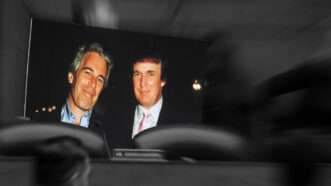
Trump, Who Wants To 'Straighten Out the Press,' Sues The Wall Street Journal Over 'Fake' Epstein Letter
Whatever the merits of this particular defamation claim, the president has a long history of abusing the legal system to punish constitutionally protected speech.




