

Review: Magic Lantern Shows Were Cinema Before Movies
Some lanternists believed that film was a fad their medium would easily survive.
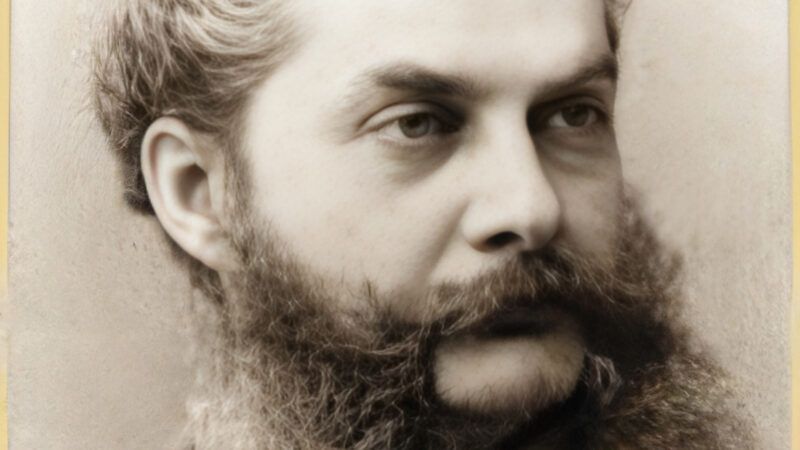
Magic lantern shows, in which live performers build stories around projected images, were a once-popular, now-half-forgotten precursor to modern movies. In Magic Lantern Art: The American Screen's First Great Narrative Artist, Joseph Boggs Beale, Terry Borton—himself a revivalist magic-lantern showman—offers a richly researched, copiously illustrated study of Beale, one of the 19th century's most prolific painters of lantern slides.
The earliest lantern shows date to the 17th century, but Beale lived at a time when technological innovations were transforming the craft. Notably, mass production meant slides could be reproduced and sold to lanternists around the country. One image might be seen simultaneously in countless venues: theaters, churches, Masonic lodges, even insane asylums.
Not just protomovies, these shows were an art in their own right. Indeed, some lanternists believed—wrongly, but not absurdly—that film was a fad their medium would easily survive. You never know which technologies will be minor diversions and which will give birth to a dominant art form, a lesson worth bearing in mind in our age of TikToks, video games, and generative AI.




