
Trump Barges Into Nvidia's Internal Decisions, Opens Door to Even More Federal Meddling in the Economy
Jensen Huang’s reinstatement means Washington will be intervening even more in the chip business.

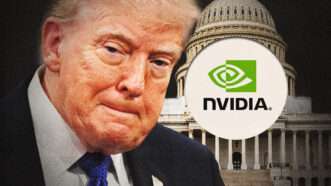
Jensen Huang’s reinstatement means Washington will be intervening even more in the chip business.

The Mamdani administration might be full of socialists, but hopefully they’ll crack down on crony capitalism.
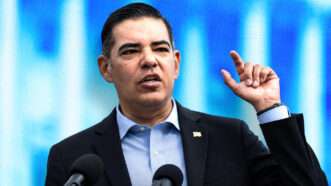
On Wednesday, Rep. Robert Garcia sent letters to the Trump family and its allies, previewing extensive allegations of self-dealing.
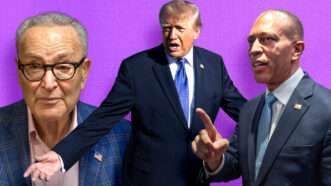
The incoming majority should investigate the president's alleged misbehavior, not threaten businesses simply for doing business with him.

The study the Jaguars commissioned to justify the public spending is “propaganda,” says one economist.
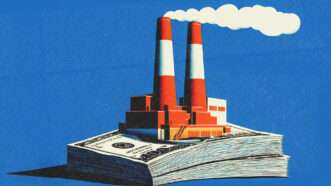
It’s the 10th energy project financed by the Trump administration’s Office of Energy Dominance Financing, which has over $289 billion in loan authority.
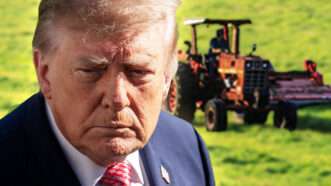
The new Harvest Fuel Relief program is the latest payment to farmers squeezed by the president’s own war and tariffs.
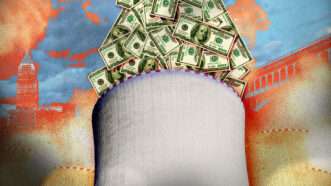
Private investors are already pouring billions into America’s nuclear sector. The Trump administration wants a piece of the credit.
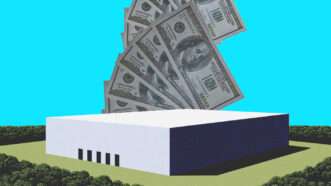
State and federal policymakers are attempting to exclude data centers from run-of-the-mill tax exemptions.
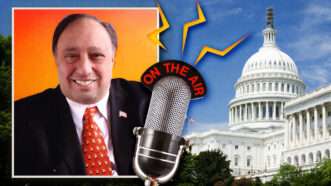
The push to mandate AM radios has brought Ted Cruz together with Bernie Sanders.
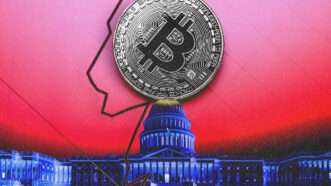
The Clarity Act's ethics provisions leave plenty of room for the president to keep profiting, and its regulatory framework hands bureaucrats too much discretion.

Alejandro Betancourt has become the key go-between for the Trump administration, Venezuela’s new regime, and American oil companies.
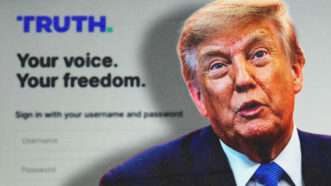
Press groups are suing Trump Media over the scheme, calling it “profoundly corrupt.”

Plus: No one is drafting Enes Kanter Freedom into the WNBA, Congress fails to reform NCAA again, and why Field of Dreams nostalgia is no good

The ban would gut a growing industry, but the Trump administration’s position isn’t a principled stand against prohibition.
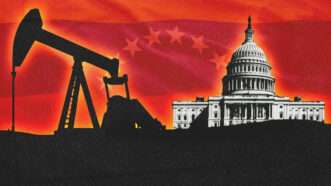
Trump put Venezuelan revenues in a secretive bank account overseen by the U.S. government. It's a display of the Treasury's unaccountable power.
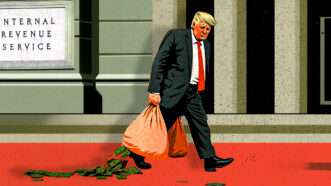
Since the beginning of his first term, the president has repeatedly used his office for personal gain.
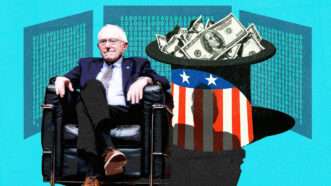
The Vermont senator's American A.I. Sovereign Wealth Fund Act would also create an entirely new regulatory regime for the tech industry.

Instead of dismantling the cultural exchange bureau, the State Department wants it to sponsor sports leagues.

Any self-styled advocate for limited government should be furious about Trump's $1.8 billion slush fund, but few Republicans are willing to denounce it.
Impeachment is the appropriate remedy for this type of outright violation of the public trust.
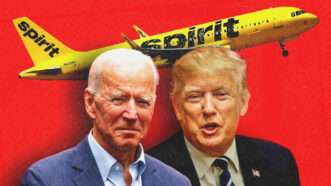
A merger with JetBlue could have saved the company. Instead, taxpayers will now be forced to pick up the bill.
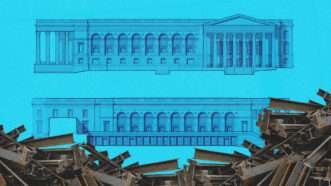
Any time government has greater control over commerce, there is an increased incentive to buy off officials or lobby for special treatment.


The company is backed by Volkswagen but still received considerable funding from state taxpayers.
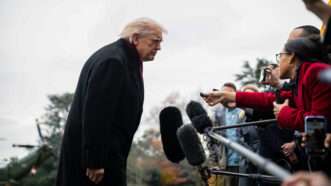
Why make the government a middleman in the chip war?
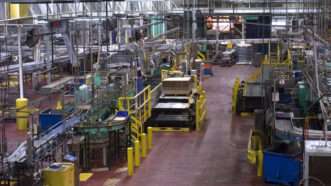
Real industrial policy has been tried—in many countries, by governments of every ideology. It fails every time for the same reason.
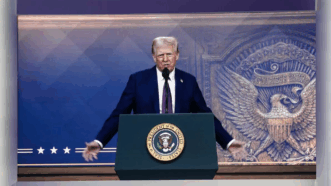
Trump's decision to reduce the tariffs on Swiss goods came just days after a Swiss delegation lavished the president with a variety of expensive gifts.
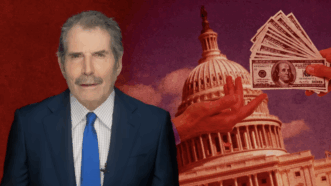
To support chipmaker Intel, the president used our money to buy 433 million shares of Intel stock. That's not a free market.
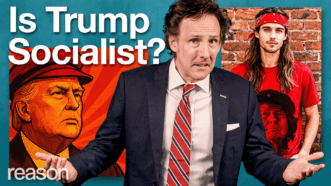
Donald Trump’s new stock-buying strategy isn’t socialism, but it is a step toward a government-controlled economy.

After years of decline, nuclear energy's prospects are looking bright. The worst thing the government can do now is get more involved in the industry.
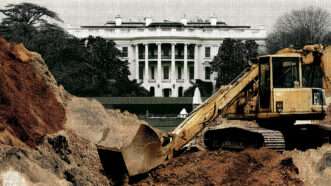
Trump's deal with a lithium mine in Nevada follows similar "creative deals" with Intel and U.S. Steel.
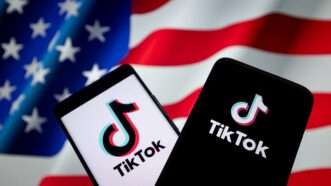
Forcing the sale of a social media company for political reasons was always going to be a power grab for the White House—whether its occupant was Democratic or Republican.
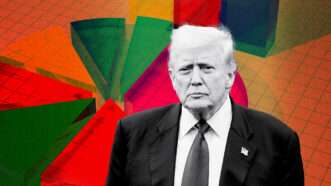
This is corporate socialism in a MAGA hat.
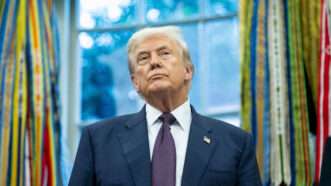
Perónism: the one import that Trump likes.

It makes little sense, but that's what happens when you give the president unchecked, unilateral tariff powers.

LiveWire, an electric motorcycle company, sold just 55 motorcycles in Q2 2025 despite receiving millions of dollars in federal backing.
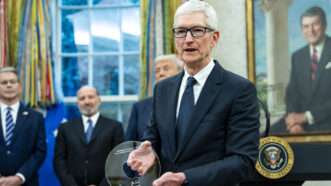
When the line between public and private is erased, politics is all about special favors. That's gross.

Companies chose to exit the market rather than deal with the excessive regulations baked into the industry.
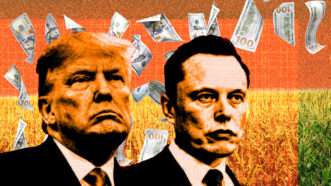
Federal subsidies undermine American companies, breed dependency, and stifle competition.
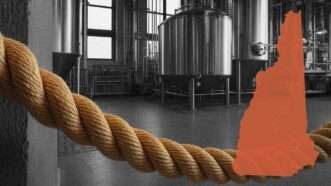
Despite passing two bills to reduce barriers to enjoying a drink, the Granite State is making it harder for brewpubs to grow.

“There's no such thing as a free stadium,” says J.C. Bradbury. “You can't just pull revenue out of thin air.”
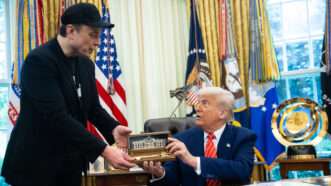
In a petty, public war of words, Trump threatens to cut off federal support to Musk's companies after the billionaire attacked his deficit-busting budget bill.

Local governments love giving sweetheart deals to billion-dollar companies—now data centers instead of football stadiums.
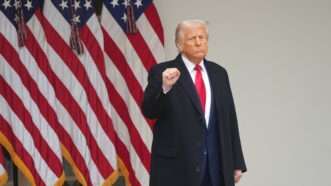
Far from delivering industrial renewal, Trump's tariffs have already led to layoffs at manufacturing plants.
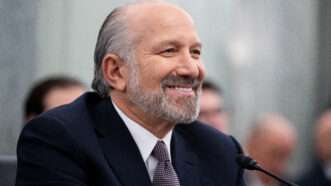
Howard Lutnick told senators that CHIPS Act subsidies were "an excellent down payment."

Like all government perks, SBA lending creates unseen victims.
The bipartisan embrace of industrial policy represents one of the most dangerous economic illusions of our time.


New from Reason: a look into what Javier Milei has accomplished and what it will take to make the most of Argentina’s window for real change. Out now for subscribers.