
Militarized Response to California Riots Seeks To Expand Federal Power
Militarized riot approach sets the nation on a dangerous course.


Militarized riot approach sets the nation on a dangerous course.
A bill awaiting the governor's signature represents a stark reversal from a 2019 law aimed at promoting "uninhibited debate."

Trump intends to win in L.A., but to do so, he needs an adversary willing to step into the ring he has devised. Two weeks in, L.A. residents remain unwilling to do so.
The government's lawyer told a 9th Circuit panel the president's deployments are "unreviewable," so he need not even pretend to comply with the statute on which he is relying.

Psychologist Scott Barry Kaufman joins Nick Gillespie to discuss toxic identity politics, the rise of grievance-based thinking, and why true self-actualization requires moving beyond victimhood.

U.S. involvement in the new Middle East conflict, political violence at home, and the No Kings protests
On its face, the law gives the president sweeping authority to deploy the military in response to domestic disorder.

In the shadow of immigration crackdowns and federal troops on the ground, shopkeepers and customers are scared away, leaving businesses devastated.

Plus: Suspect in Minnesota shootings arrested, Iran and Israel still fighting, Ross Ulbricht speaks, and more...
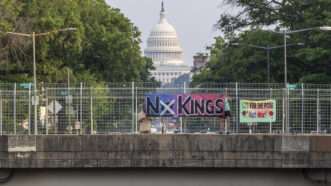
The coalition’s national press coordinator says, “We’re all dedicated to championing the cause of nonviolence—not just because it’s moral, but because it’s more effective.”

When cops don't look like cops, they run a greater risk their target will fight back.
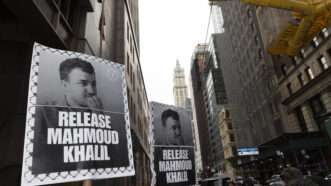
U.S. District Judge Michael Farbiarz highlights the chilling impact of Marco Rubio's dubious rationale for deporting students whose views offend him.
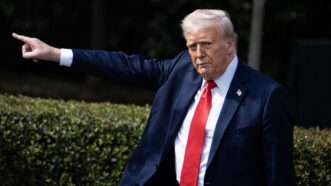
U.S. District Judge Charles Breyer concluded that the president failed to comply with the statute he cited—and violated the 10th Amendment too.

And Americans deserve dissenting voices that aren’t inept and crazy.

The truth is less dramatic—and more important.
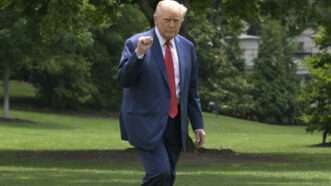
Even if the president was joking in both cases, he already has used his powers to punish people whose views offend him.

Attorney Laura Powell of Californians for Good Governance joins the show to discuss the civil unrest in Los Angeles following federal immigration raids.
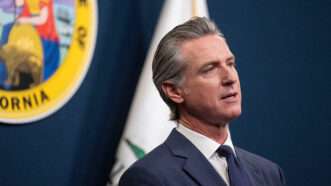
In a federal lawsuit, California's governor argues that the president's assertion of control over "the State's militia" is illegal and unconstitutional.
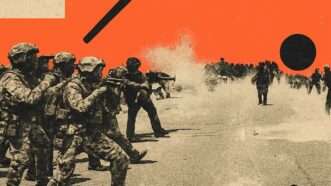
Trump and the right are living out their fantasies of rewriting the awful summer of 2020.

As hundreds gathered to oppose ICE raids, a familiar pattern played out: peace by day, flash-bangs by night.

Plus: RFK Jr. tackles vaccine advisory board, menswear influencer might be deportable, and more...

Are outdated laws ripe for abuse? A listener asks whether it's time to sunset certain old laws.


Two protesters in Wales were convicted for handing out pamphlets and filming an argument with their member of Parliament.
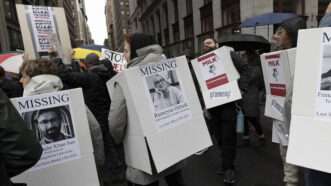
"It is unthinkable that a person in a free society could be snatched from the street, imprisoned, and threatened with deportation for expressing an opinion the government dislikes," says FIRE.
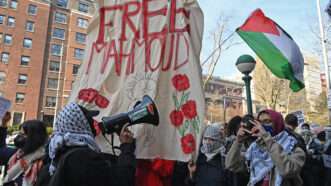
The administration's lawyers claim that this was justified by Khalil's likelihood of escape.
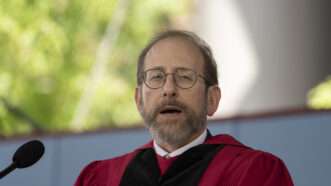
The administration's demands extend far beyond its avowed concern about antisemitism and enforcement of "civil rights laws."
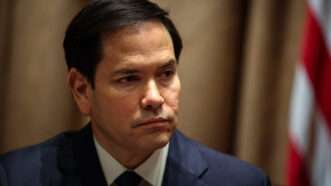
The secretary of state, who aims to "liberate American speech," nevertheless wants to deport U.S. residents for expressing opinions that offend him.
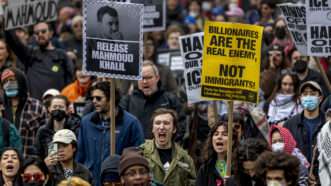
Just a quarter of respondents said they favored deporting students for "expressing pro-Palestine views."
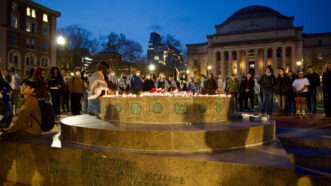
Columbia student Mohsen Mahdawi thought he was going to become an American. Instead, ICE whisked him away into detention.
An immigration judge's decision reinforces the constitutional argument against the law that the secretary of state is invoking.
The detention of Tufts graduate student Rumeysa Ozturk illustrates the startling breadth of the authority the secretary of state is invoking.
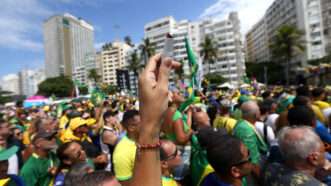
Débora Albuquerque scrawled “You lost, dude” on a statue. Now she’s being treated like a national security threat.
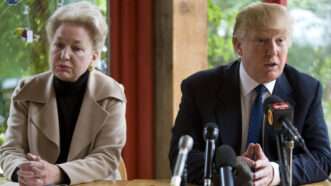
As a federal judge, Maryanne Trump Barry said the provision is unconstitutionally vague. That's especially problematic when it is used to punish speech.
The rationale for deporting Mahmoud Khalil is chillingly vague and broad.
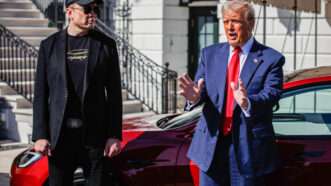
It's far from the first case of terrorism inflation.
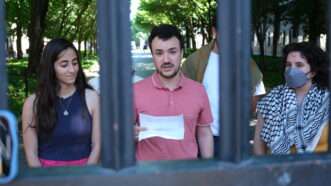
Several months ago, Reason interviewed Mahmoud Khalil at a protest encampment. Now he’s sitting in ICE detention.
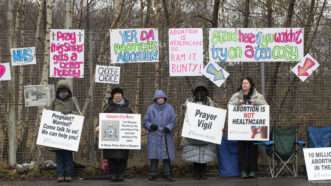
Rose Docherty was arrested over her sign, which read: "Coercion is a crime, here to talk, only if you want."

Kirk Wolff set out to peacefully protest Trump's plan to take over Gaza. Then an administrator and a police officer drove by.

December 17 is a day for mourning sex workers lost to violence and for drawing attention to conditions—like criminalization—that put sex workers at risk.


The portion of college students who say it's OK to shout down campus speakers is rising, according to a new survey.

In bodycam footage, the police major—now the deputy chief—asks for "anything we can get" after being told felony charges would be difficult.

British law allows local governments to enact absurdly censorious orders limiting "anti-social" behavior.
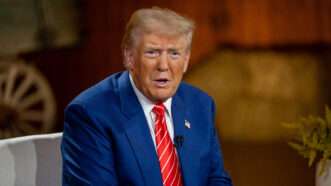
The former president's authoritarian tendencies are alarming enough without inventing new outrages.
Over the last year, I have written a number of pieces on the war, and Western reactions to it, such as campus anti-Israel protest movements.

When civilians are the targets, terrorists’ grievances don’t matter; it’s time to hunt the perpetrators.



New from Reason: a look into what Javier Milei has accomplished and what it will take to make the most of Argentina’s window for real change. Out now for subscribers.

