Flying Is Better Than in the Good Old Days, No Matter How Luxurious Those Old Photos Look
The big lesson from the past 50 years of American air travel is that the aesthetics matter a lot less than the economics.
Sixty years ago, commercial air travel was nothing like how it is today.
Nostalgia for the days of more spacious cabins, dressier passengers, and luxury food service is a common sight on social media. In some ways, those viral posts make a compelling point. Flying is often drudgery today. Long lines and insufficient legroom—and of course the irritating Transportation Security Administration (TSA)—make flying sometimes feel more like a chore than a miraculous accomplishment of human ingenuity.
Who wouldn't rather be on a plane in the 1960s instead of one today?
The answer: you.
Those old-school airlines might have been luxurious, but those flights were unaffordable for the vast majority of Americans. If you lived back then, you wouldn't be flying in style. You'd probably not be flying at all.
Commercial aviation got off the ground in the 1930s, and for the first several decades, it was strictly regulated by the federal government. Routes were assigned, fares were approved, and competition was discouraged by an entity called the Civil Aeronautics Board (CAB). Under the CAB's regulations, it was very difficult to start new airlines, and even existing airlines had a hard time opening up new routes.
Limited competition meant airlines could charge a lot more for tickets—and they did.
In 1970, the average weekly wage in the U.S. was about $119. Meanwhile, a round-trip flight from New York to Los Angeles cost about $150—in other words, a lot more than an entire week's pay. Adjusted for inflation, that same ticket would cost well over $1,000 in today's money.
Making air travel more affordable for the masses required getting rid of the federal regulations that limited competition—but even before that happened, some enterprising entrepreneurs were finding ways to dodge the CAB's heavy-handed rules.
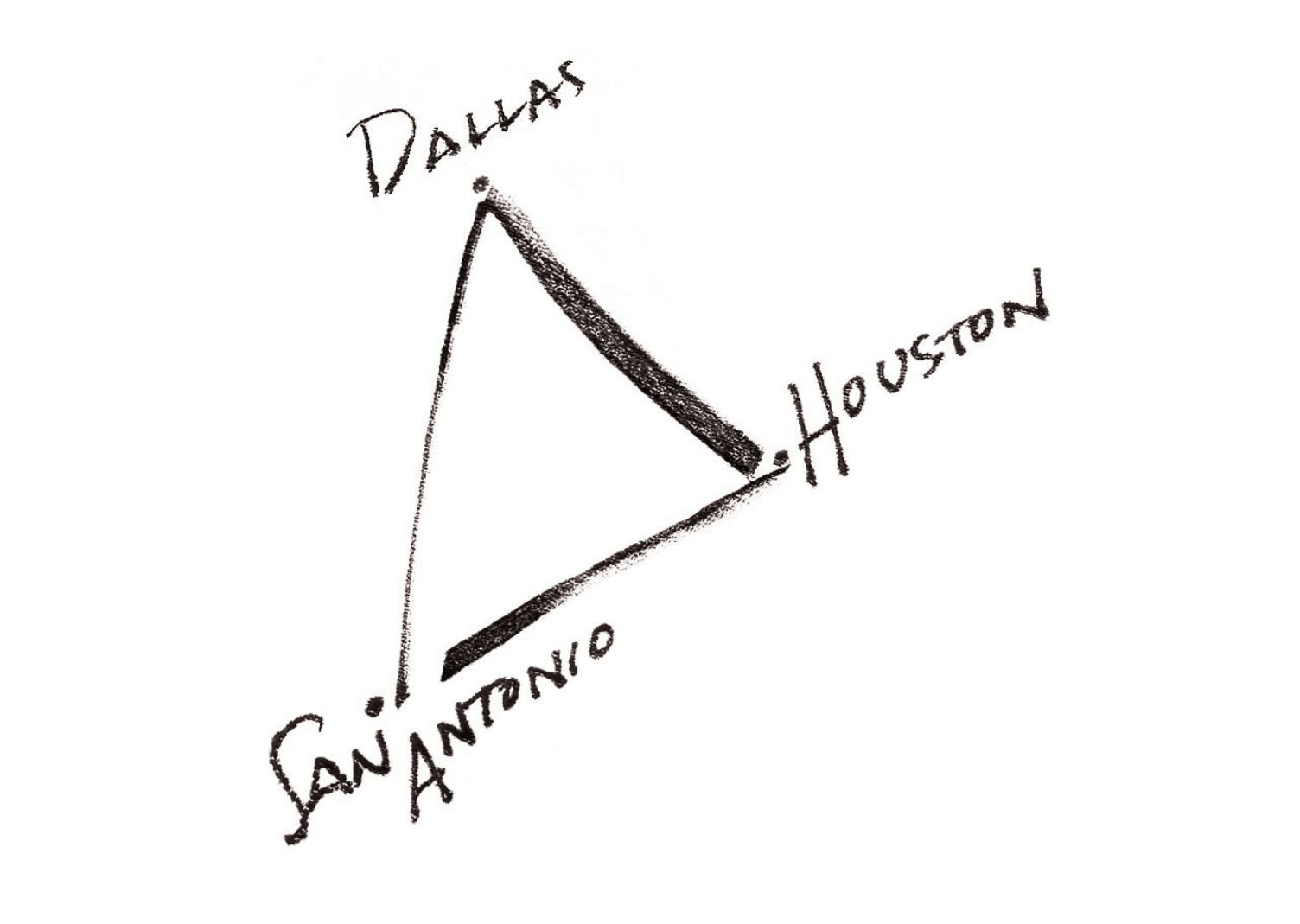
Entrepreneurs like Herb Kelleher, who cofounded Southwest Airlines in 1967. At the start, Southwest operated entirely within a single state, which meant it was not subject to the CAB's regulations.
"Texas was kind of wild and woolly and wide open at that time," Kelleher recalled in a 2019 interview, shortly before he passed away. He embodied that same spirit. Whether he was arm wrestling rival CEOs or taking on federal regulators and their anti-competitive rules, Kelleher was always eager to fight for a good cause.
Under his watch, Southwest grew from a tiny upstart to one of the biggest, most successful airlines in the world. Kelleher was guided by a shrewd set of business principles: Give employees autonomy whenever possible, always offer the best price, and hire based on attitude rather than experience.
Kelleher was also ruthlessly efficient in the pursuit of those lower prices. That meant more efficient routes, an emphasis on crew logistics, and no-frills service that was intended to democratize air travel.
But before any of that could happen, Kelleher and Southwest had to overcome some serious legal hurdles. Other airlines sued to stop Southwest from operating even before the airline's first flight departed. It took four years of litigation that went all the way to the Texas Supreme Court before Southwest was granted permission to operate. With Southwest's investors unwilling to cover ongoing legal fees, Kelleher offered to work for free until the case was resolved.
Finally, after winning in court, Southwest's first flight departed from Love Field in Dallas in 1971.
It wasn't until 1978 that Southwest was able to expand beyond the borders of Texas and truly democratize air travel. That was the year President Jimmy Carter and Congress worked together to abolish the CAB.
The deregulation of air travel meant that ticket prices and airline routes were finally subject to a free market—and, in that environment, efficiency and low prices reigned supreme. Having grown up in a market that wasn't subject to intense protectionism, Southwest was poised for success.
And succeed it did. In the two decades after deregulation, eight major airlines vanished into bankruptcy or were bought out by competitors. Southwest, on the other hand, became one of the largest airlines in the country.
Southwest's success was great news for American travelers—even those who fly on different airlines. Everyone got better, cheaper choices, and that meant that more people could afford to fly. As Derek Thompson pointed out in The Atlantic, fewer than 20 percent of Americans had ever taken a commercial flight in 1965. By 2000, the average American was taking at least two round-trip flights per year.
Overall, the total number of airline passengers in the U.S. climbed from 207 million in 1975 to over 900 million in 2024.
In the first 30 years after deregulation, the cost of an airplane ticket dropped by 50 percent—from around $600 in 1980 to about $300 by 2010, and that's before you account for income growth.
"We produced a lot more passengers for us, and them," Kelleher said in 2019.
So, yes, air travel has changed a lot in the past half-century—but the trade-offs are not as negative as the nostalgia on social media would have you believe.
Just do the math. In the second quarter of 2025, the average domestic flight in the U.S. cost $384. The average worker today earns about $35 per hour. That makes the math pretty easy: The average worker needs to work about 10 hours to pay for the average flight—compared to the week's worth of work that was required in the 1970s.
In fact, the average first-class airfare today costs between $600 and $1,000, according to Conde Nast. That's less than the inflation-adjusted price for any airfare in 1970.
The big lesson from the past 50 years of American air travel is that the aesthetics matter a lot less than the economics. We want cheaper flights, and we'll put up with a lot of inconveniences for the chance to travel through the sky at 500 miles per hour to see loved ones on the opposite side of the country.
That's what Kelleher understood—and he knew that the way to achieve that outcome was ruthless competition, not greater governmental control.