
Licensing Laws Protect Doctors From Competition. Patients Pay the Price.
States can make healthcare cheaper by letting nurse practitioners and pharmacists do more.
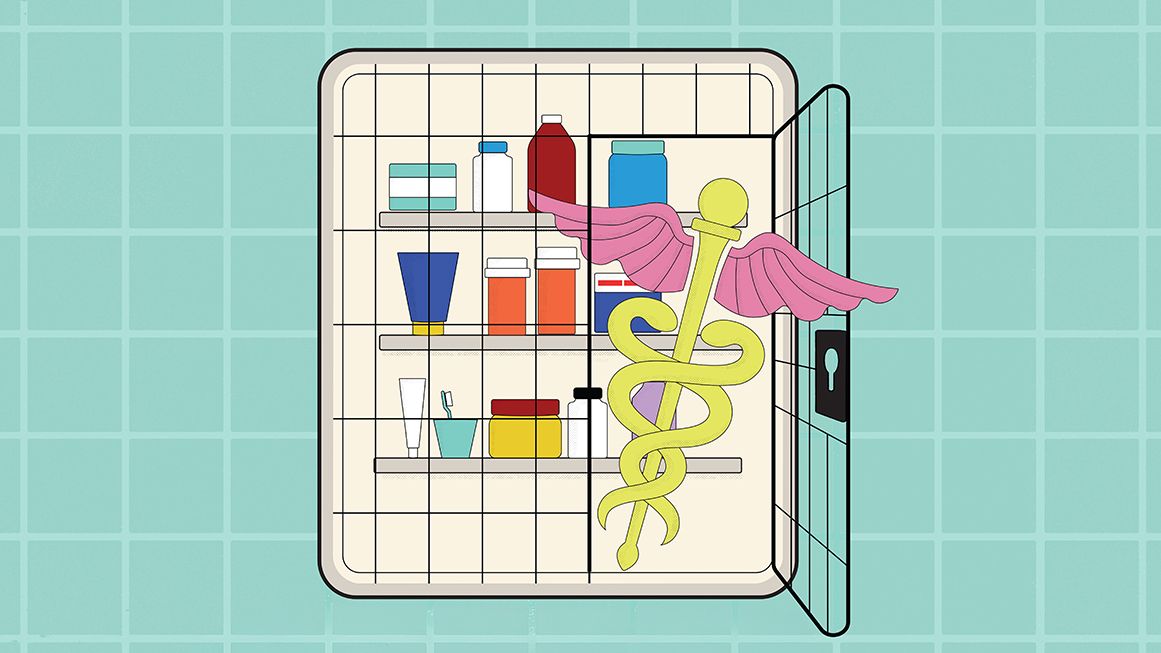
Politicians entering office this year will promise to make healthcare more affordable. Most attention will focus on Washington, but state lawmakers can expand access and competition simply by allowing qualified health professionals to do more of what they were trained to do.
State licensing laws define each profession's "scope of practice." These boundaries turn legislatures into battlegrounds where incumbent providers fight to keep competitors out. Patients bear the costs through fewer choices, unnecessary appointments, and delayed treatment.
Nurse practitioners (N.P.s), pharmacists, and prescribing psychologists present three opportunities for reform.
As of October 2026, the American Association of Nurse Practitioners classified 27 states and the District of Columbia as granting N.P.s full practice authority. Other states should follow suit. A 2020 Health Services Research study of more than 800,000 Veterans Health Administration patients whose physicians left the system found that those reassigned to N.P.s had similar clinical outcomes and total costs, with fewer hospitalizations, compared to those reassigned to physicians. After states granted N.P.s full practice authority, N.P. primary care visits increased and nonurgent emergency department use decreased, according to a 2026 Health Policy OPEN study. … [Subscribe to continue reading]
Read the full story when when you subscribe to Reason Plus.
Free minds and free markets: Independent journalism on politics, culture, and ideas since 1968.
Become a subscriber
Digital access for $25/year
Unlimited online access & the magazine
- Every article, every issue, every archive going back to 1968
- The print or digital edition delivered monthly
- Subscribers-only newsletter from the editor
- Listen to every article with our audio player
Cancel anytime. Or give a Reason Plus subscription as a gift..
Already have an account?
Log in to keep reading.
Log In
Enter the code from your authenticator app to finish logging in.
You're already a member. Log in to keep reading.
We sent this story to your inbox because you're one of our subscribers. One quick login and you'll be reading in seconds.
- Your subscription includes digital access
- Log in once and stay logged in for 1 year
- Resume reading exactly where the email left off