
The Volokh Conspiracy
Mostly law professors | Sometimes contrarian | Often libertarian | Always independent
Today in Supreme Court History: January 2, 1923
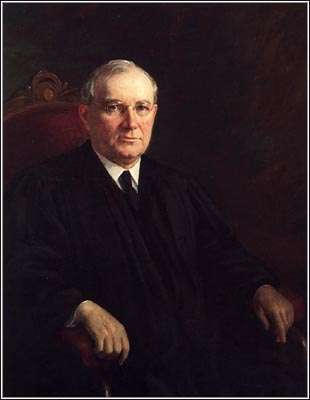
1/2/1923: Justice Pierce Butler takes oath.

Editor's Note: We invite comments and request that they be civil and on-topic. We do not moderate or assume any responsibility for comments, which are owned by the readers who post them. Comments do not represent the views of Reason.com or Reason Foundation. We reserve the right to delete any comment for any reason at any time. Comments may only be edited within 5 minutes of posting. Report abuses.
Please to post comments
How many entries does Pierce Butler have?
As Dan notes, Rochin v. California was decided OTD in 1952. This case blocked the use of drugs obtained by forced vomiting. https://www.captcrisis.com/post/today-in-supreme-court-history-january-2-2
Justice Frankfurter includes a lot of verbiage to explain why this case "shocks the conscience," unlike various other practices. The right to privacy (which Justice Butler raised in multiple cases*) was involved:
"Illegally breaking into the privacy of the petitioner, the struggle to open his mouth and remove what was there, the forcible extraction of his stomach's contents."
Black and Douglas argued that the Self Incrimination Clause covered the use of vomit. They deemed this a less idiosyncratic approach. Douglas cited Rochin in a draft opinion of Griswold v. Connecticut, noting the law in question was:
repulsive to the idea of privacy and of association that make up a goodly part of the penumbra of the Constitution and Bill of Rights. Cf. Rochin v. California, 342 U.S. 165.
(Found in Bernard Schwartz's The Unpublished Opinions of the Warren Court)
The opinion is cited generally as protecting the right to privacy and the constitutional principle of bodily integrity. See, e.g., Planned Parenthood v. Casey.
==
Note: For instance, Sinclair v. United States:
"Of all the rights of the citizen, few are of greater importance or more essential to his peace and happiness than the right of personal security, and that involves not merely protection of his person from assault, but exemption of his private affairs, books, and papers from the inspection and scrutiny of others. Without the enjoyment of this right, all other rights would lose half their value."



