Meta Is Gifting AI Glasses to Blind Veterans: 'I Got My Independence Back'
Meta's AI glasses carry privacy risks, but for blind veterans, they fill a gap that the government has failed to address.
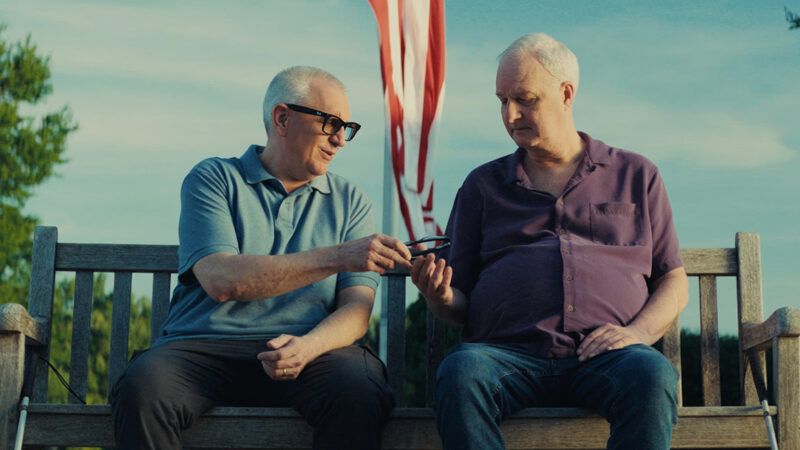
Two hundred years ago, the invention of Braille allowed blind people to read and write. By the 1930s, recorded sound made "talking books" possible. Developments in text-to-speech technology in the 1980s made reading more accessible and widespread. Then came personal computers, screen readers, smartphones, cameras, GPS, voice assistants, and myriad other technological advancements that gave blind people more independence.
Now a pair of sunglasses can read your mail, describe the person in front of you, tell you what is on a restaurant menu, and help you find your way home. Meta, the parent company of Facebook, is using artificial intelligence to turn glasses into a hands-free companion. For any person, this technology is impressive. For the approximately 700,000 Americans who are blind, it is potentially life-changing.
In June, Meta announced that every single blind veteran in the United States could receive its AI glasses free of charge. According to the Department of Veterans Affairs (V.A.), approximately 130,000 American veterans are legally blind, and over 1 million veterans have vision impairment that makes performing daily activities difficult. Don Overton, a blind veteran and former executive director of the Blinded Veterans Association, told Meta that he had "lost [his] independence" after losing his eyesight in a bunker explosion. "The moment I put on my Ray-Ban Meta glasses," he said, "I got my independence back."
The V.A. has a history of failing to fully support blind veterans. In 2022, the V.A.'s Office of Inspector General found that claims processors were instructed to contact visually impaired veterans by telephone, but 87 percent of claims showed no evidence of these calls ever happening. A 2022 investigation by the Senate's Special Committee on Aging found that "roughly 90 percent" of V.A. websites were not compliant with federal accessibility requirements. "We feel we've been abandoned by the agency that is tasked with providing our care and services for us," Overton told The Washington Post in 2022.
Meta's AI glasses have come under fire due to their privacy risks. The company was sued in March after Swedish publications Svenska Dagbladet and Göteborgs-Posten reportedly found that Meta's contractors in Kenya were accessing videos by users of their AI glasses. "We see everything, from living rooms to naked bodies," one worker noted.
Users should be aware of those risks. Still, for blind veterans, companies such as Meta have stepped up to fill a gap that the government has failed to address.
This article originally appeared in print under the headline "Meta's AI Glasses Help Blind Veterans."