
Mamdani's 'Rental Ripoff' Hearings Won't Fix New York Housing
Demonizing landlords might make for good social media, but it does nothing to reduce the regulations that make New York housing so expensive.
"No heat, no hot water. The boiler wasn't working. I have water in my walls," renter Tori Brown informed officials at the first Rental Ripoff Hearing last month in Brooklyn. Another tenant told NTD that he had been dealing with "leaky roof issues, pest issues, mold issues" for almost a year because any repairs costing $10,000 or more require court approval.
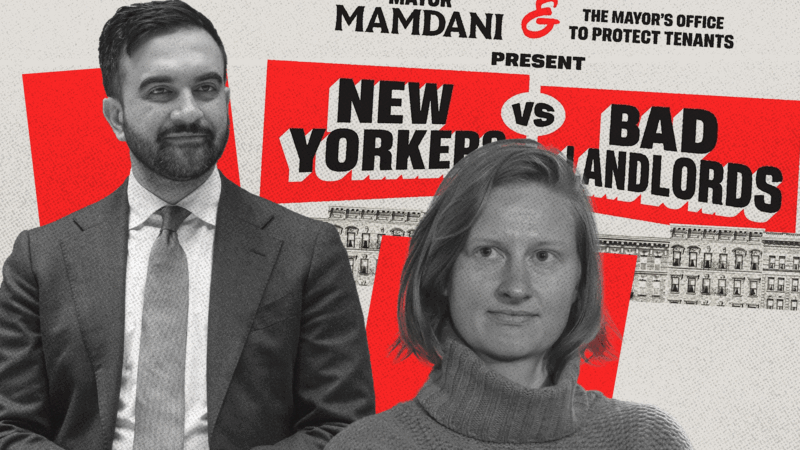
The event was advertised with signs that read "New Yorkers vs. Bad Landlords." In a promotional video for the hearings, which give renters a chance to air their grievances directly to government officials, Mayor Zohran Mamdani called out landlords for "taking advantage of the housing market to gouge tenants with outrageous fees."
"We need a city-wide crackdown on rental rip-offs," the Democratic mayor said. "We need to take on the indignities from those landlords who demand more than their fair share."
New York's housing problems are substantial—rents there are among the highest in the country—but these hearings aren't likely to fix them. Inside the gymnasium, there were bulletin boards with interactive questions, one of which asked participants to "place a sticker by your top 5 priorities for change." The three most-marked proposals included expanding the city's power to appoint new building management or transfer ownership, aggressively collecting fines from landlords who fail to make repairs, and strengthening tenants' ability to lawfully withhold rent.
Property owners in New York City feel the blame has been unduly pinned on them. One landlord who attended the hearings told New York's CBS affiliate that property owners deserve representation too. "Just the way they're having their voice heard, we need to have our voice heard, as landlords," he said. Lehodey asked Ahmed Tigani, commissioner of the New York City Department of Buildings, whether the city would be holding a similar hearing for landlords. Tigani said no.
"The hearings are a forum for blaming residential property owners for the ill effects of regulations," says Howard Husock, a senior fellow at the American Enterprise Institute. "In particular the New York rent stabilization law, which sharply limits how much owners can recover for improvements to their properties." Rent controls limit how much landlords can recoup for capital improvements, reducing incentives to invest. "The result, not surprisingly, is that some properties fall into disrepair."
Unfortunately for New Yorkers, meaningful improvements to the city's regulations are unlikely to come anytime soon. In early January, Mamdani appointed Cea Weaver as the director of the tenant protection office. The activist has advocated a rental market entirely financed by the government; in 2019, she tweeted that "private property including and kind of ESPECIALLY homeownership is a weapon of white supremacy masquerading as 'wealth building' public policy."
There are three more Rental Ripoff Hearings left, after which Mamdani will draw on them to "publish a report proposing policy interventions," according to a city press release. With Weaver as the lead architect of these hearings, these "policy interventions" will likely include more invasions of property rights.
Until Mamdani and his advisers understand that burdensome regulations are themselves a source of New York's housing problems, the city will keep getting political spectacles instead of meaningful reforms.




