
Dispatch From COGE: A Bureaucratic Meeting About Cutting Bureaucratic Bloat
Don't expect much from Zohran Mamdani’s Commission on Government Efficiency.
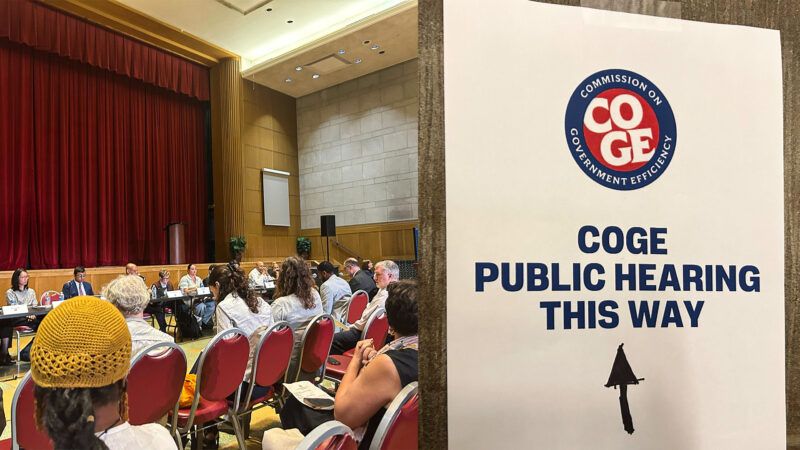
Six weeks ago, New York City Mayor Zohran Mamdani announced the creation of COGE, the Commission on Government Efficiency. While the commission's name might sound like Elon Musk's now-dead federal DOGE and conjure up an image of a chainsaw-slashing, afuera-style attack on the city's $125.8 billion budget, the commission has thus far been a typical governmental task force.
Before proposing changes to the city's charter, COGE is holding a series of 11 meetings to gather input from elected officials and the public about improving government efficiency. On Wednesday evening, I went to the penultimate COGE meeting in the auditorium of the historic Riverside Church in Morningside Heights to witness COGE in action. The meeting started about 20 minutes late. When the commissioners finally took their seats, a lone audience member began clapping, and the rest of the attendees tentatively joined him.
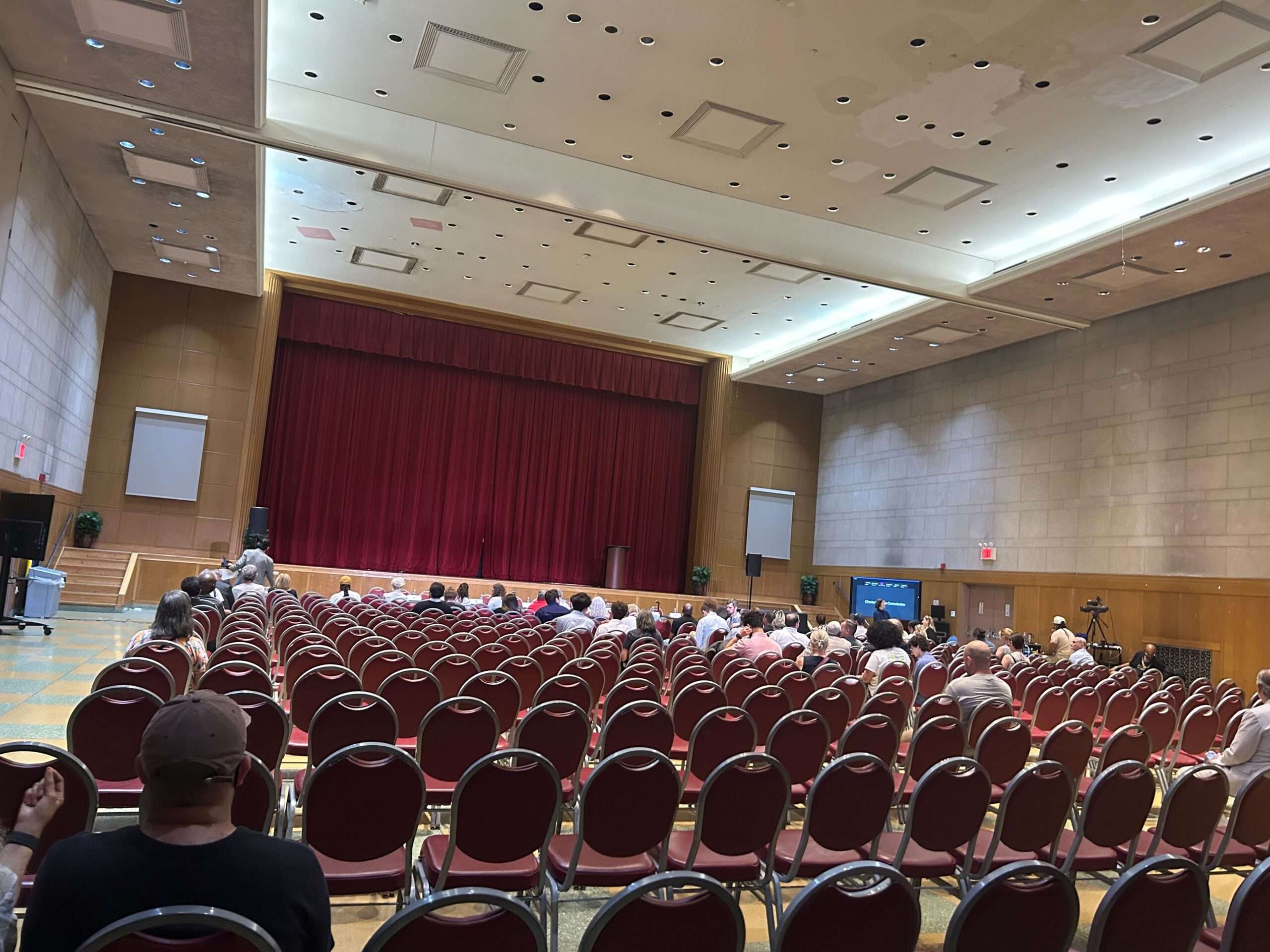
The woman to my right said she was told she may not have time to testify during the meeting because city officials were giving presentations. The first hour of the meeting was, in fact, dedicated to lengthy presentations. Comptroller Mark Levine urged the commission to adopt clear rules for the city's rainy day fund so emergency funds may be better protected and set aside for times of economic crisis. The public advocate, the city's elected watchdog, then spoke about wanting easier access to city agency information. New York City Buildings Department Commissioner Ahmed Tigani, fresh off dealing with a building crisis in Midtown, discussed ways to accelerate safe construction projects. Tigani's colleague then shared recommendations from the SPEED task force, which seeks to "expedite equitable development" (i.e., build affordable housing faster).
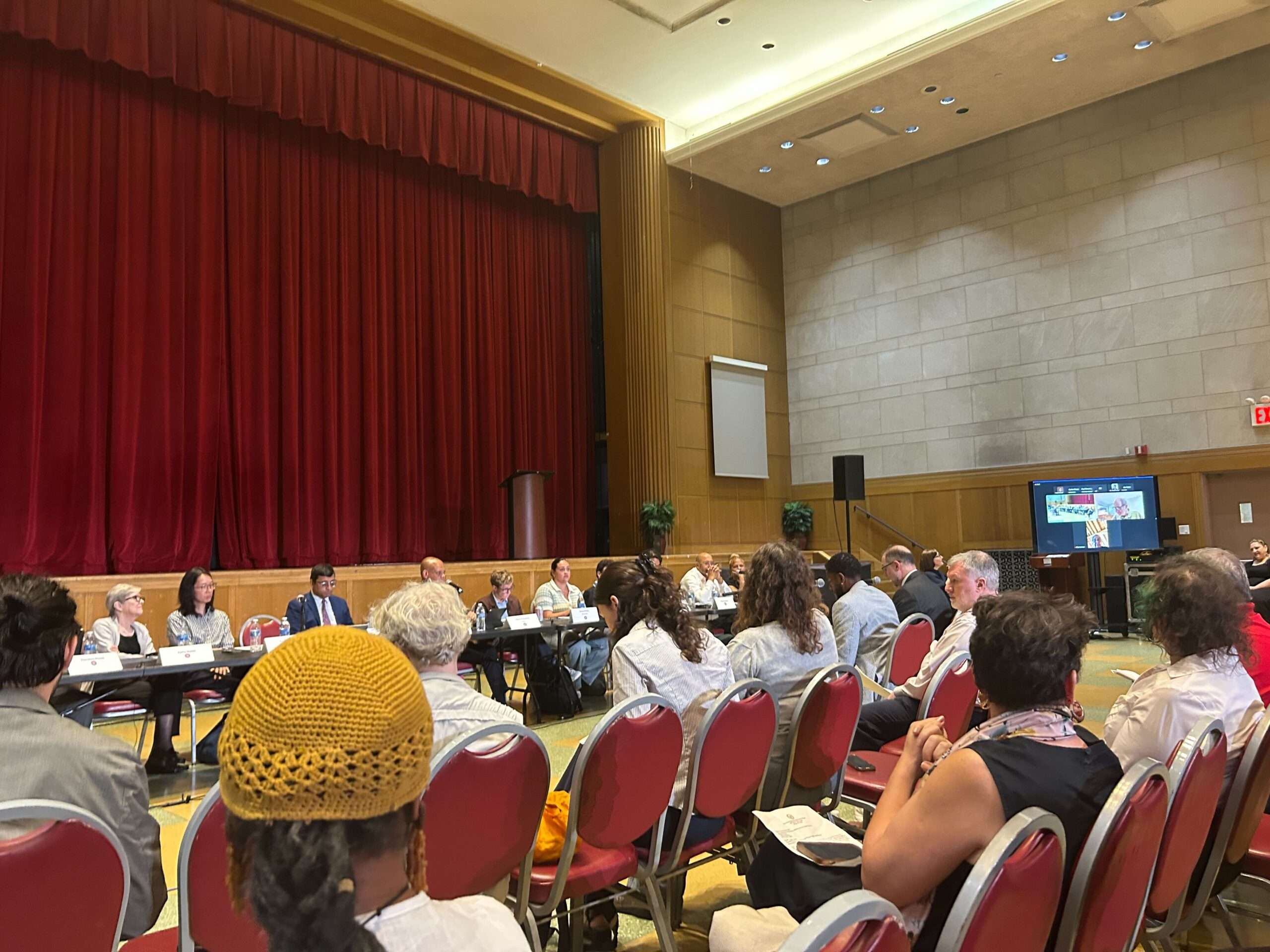
After the officials and experts testified for over an hour, members of the public were called to the front of the auditorium in pairs and were given three minutes to share their grievances and suggestions. The woman sitting next to me left before testifying.
The theme of this meeting was streamlining permitting, but participants testified about a range of issues, from street safety complaints to teachers' inability to gather supplies (despite the NYC Education Department's $45 billion budget). Some participants shared testimony over Zoom, and participants were also able to submit written testimony online. One gentleman complained that the city was not ticketing cars on his street. In line with the COGE mission, nobody at the meeting demanded outright cuts to agencies, but they shared ideas for improving existing processes.
Like at any public meeting, the attendees at the Riverside Church meeting were a self-selecting group. They were not local cranks like in Parks and Rec; they were mostly leaders of various civic groups and associations, including the Times Square Alliance. Those who attended appeared to be in good spirits, clapping after each testimony (although I did catch two people snoozing). It was heartening to see that these New Yorkers cared enough about efficiency to attend a three-hour-long governmental meeting on a summer evening.
Perhaps improving government efficiency in New York City requires a long and tedious process like this. But let's remember that several of those at the helm of COGE have had long careers in city—and, in some cases, federal—government. These commissioners appear to place great faith in the government's ability to solve problems (if only it were more efficient), and they have little incentive to cut the programs they have spent their careers building. And while COGE may have good intentions, the commission's approach does not attack inefficiency at its source: the expansive size and scope of government.