
Mamdani To Increase NYC Property Taxes by 9.5 Percent To Balance Budget if Income Taxes Are Not Raised
So much for "the warmth of collectivism."
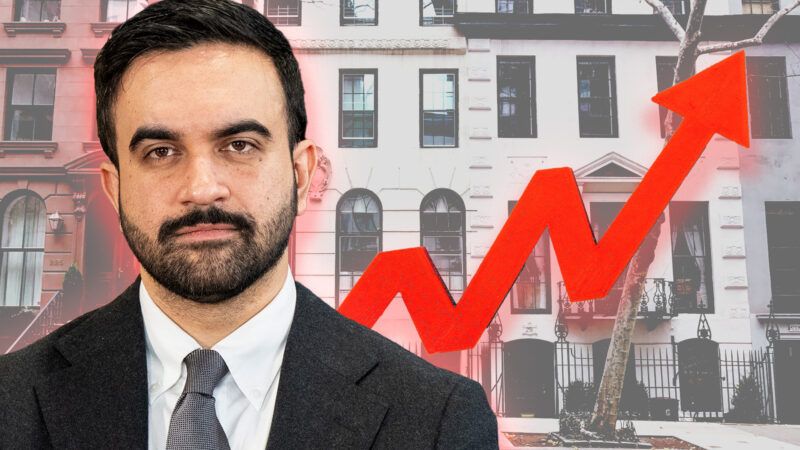
New York City is already one of the most expensive places to live in the United States, but residents should brace themselves to pay even more for housing if the city's budget deficit persists.
On Tuesday, New York City Mayor Zohran Mamdani announced that the city was facing a budget deficit of $5.4 billion over the next two years. If the state or city does not raise income taxes to balance the budget, as is required by the city's charter, Mamdani says he will raise property taxes on over 3 million residential units and 100,000 commercial buildings by 9.5 percent.
The city's impending fiscal crisis became impossible to ignore when New York City Comptroller Brad Lander released the city's annual financial report in December. In the report, Lander predicted budget gaps of $2.18 billion and $10.41 billion for FY 2026 and FY 2027, respectively. A month later, Mamdani blamed former Mayor Eric Adams' "staggering fiscal mismanagement [for leaving] a $12 billion hole in NYC budget for the next two fiscal years."
Lander, Adams' comptroller, noted "a recurring pattern of decisions that defer difficult budget choices rather than address them" and identified "the expiration of Federal pandemic aid and the surge in asylum seekers seeking shelter from the City," the latter of which cost the city over $8 billion from 2023 to 2025 and is projected to cost another $3.6 billion through 2029, according to the New York State Comptroller's asylum seeker spending report.
New York City's total expenditures increased from $106 billion in FY 2022 to over $117.5 billion in FY 2025 under Adams. While the budget will increase by $4.5 billion in FY 2026 and $9.5 billion in FY 2027 compared to 2025 levels, 96 percent of this $14 billion in new spending is to cover underfunded programs implemented by Adams, not Mamdani.
Mamdani reduced the two-year, $12 billion deficit to $7 billion "by deploying in-year reserves, committing to an agency savings plan and incorporating higher-than-expected revenues," according to a Monday press release. (Mamdani's savings plan requires the Chief Savings Officers, which he instituted at every city agency in late January, to identify savings through "program consolidation and insourcing, and by eliminating/sunsetting programs" by March 20.)
To further reduce the deficit, Mamdani wants more state tax revenue to go to the city.
At a late January press conference, Mamdani lamented how "New Yorkers contribute 54.5 percent of state revenue and receive only 40.5 percent back." The irony here, City Journal's Adam Lehodey notes, is that Mamdani is essentially objecting to progressive taxation—giving out less in benefits to those who contribute more in revenue—between the city and state, while advocating for such taxation within the city.
Luckily for New Yorkers, Mamdani's inconsistency did not compromise his appeal to Democratic Gov. Kathy Hochul.
On Monday, one day before the city's budget deadline, the governor agreed to allocate $1.5 billion from state coffers to help address the city's funding. Still, a roughly $5.4 billion deficit remains. To eliminate this remainder, Mamdani called on Albany to raise income tax rates on the 33,000 New Yorkers making over $1 million a year and to raise "corporate taxes on the most profitable corporations."
New York State already taxes corporate income at a base rate of 6.5 percent, which rises to 7.25 percent on income over $5 million. Meanwhile, New York's top marginal individual income tax rate—10.9 percent on earnings over $25 million—is the third highest in the nation.
Compounding this tax burden, New York City has its own corporate income tax of up to 9 percent for businesses that make over $1.1 million in revenue. The city also taxes individual incomes at a rate of around 3.1 percent, which increases to about 3.9 percent on income over $50,000 for single filers.
If revenues can't be raised by increasing these rates, Mamdani will take nearly $1 billion out of the city's Rainy Day Fund, over $200 million from the Retiree Health Benefits Trust, and jack up property taxes as "a last resort." These taxes already stand at around 20 percent for family homes, 12 percent for apartment buildings, and 11 percent for commercial properties.
Before realizing his multibillion-dollar promises of new spending, Mamdani is going to have to address the profligacy of his predecessor, most likely through "a tax on working- and middle-class New Yorkers." So much for "the warmth of collectivism."