
American Quartz Manufacturers Want To Make Kitchen Countertops Even More Expensive
Their trade group filed a petition asking the government to impose quotas and a 50 percent tariff on all imported quartz.
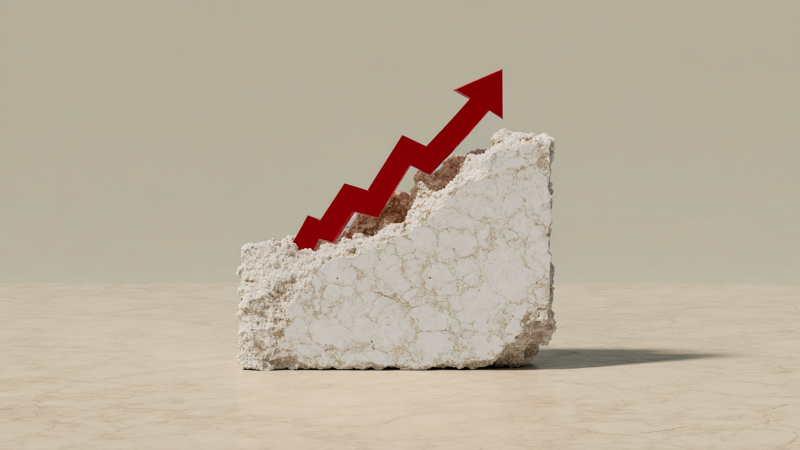
The Trump administration's trade war has raised the cost of everyday goods, appliances, and the overall cost of living. Now, the federal government is considering raising tariffs on foreign quartz, which will make your planned kitchen renovation that much more expensive.
The Quartz Manufacturing Alliance of America (QMAA) filed a petition with the U.S. International Trade Commission (USITC) in September 2025 to investigate whether foreign quartz manufacturers are responsible for the decline of the domestic industry. In December, the USITC began its investigation.
The U.S. does not levy duties on quartz imports, except for those that come from countries without normal trade relations: Cuba, North Korea, Russia, and Belarus. If the USITC rules in favor of petitioners in April, the president may grant "import relief" in the form of quotas or tariffs for an initial period of up to four years.
The QMAA insists that it's not trying to eliminate competition, but calls for a quota system to "limit the volume of imports on a country-specific basis" as well as a 50 percent tariff on all quartz imports. If such relief were granted, quartz fabricators, who shape and install quartz slabs, would face higher materials costs and be forced to hike prices on American homeowners or suffer thinner profit margins.
This would hurt not only American homeowners but American businesses, too.
In a December press release, Rich Katzmann, executive director of the Rockheads, a stone and granite fabricators association, said that QMAA's petition "does not represent the interests of the thousands of U.S. fabricators of quartz…and their approximately 100,000 workers across the country." Indeed, the USITC reports that it received statements opposing QMAA's petition from more than 700 entities claiming to be independent quartz fabricators.
In some ways, this investigation is not unexpected. Political rent-seeking has been rampant in the second Trump administration, with the domestic automobile, pharmaceutical, energy, and semiconductor industries lobbying for and receiving special tariff treatment from the federal government. One of the problems with this protectionism is that it discourages companies from improving their products. QMAA is yet another case in point: Instead of spending time, energy, and dollars making its "substantially identical" quartz better than less expensive foreign quartz, it's paying lawyers to petition for protection from foreign competition.
This won't improve the American quartz manufacturing, but it will raise costs for downstream domestic businesses and American consumers who purchase quartz products.