
Why Is Michael Bloomberg Screwing With New Yorkers' Coffee Orders? Because He Can.
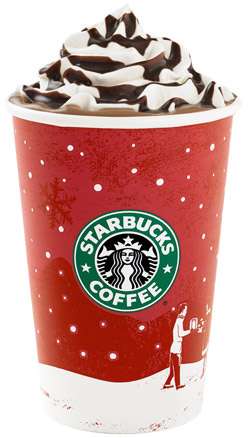
The New York Times notes that Michael Bloomberg's big beverage ban, which takes effect on Tuesday, will have some confusing results for coffee sellers and drinkers. While sugar-sweetened coffee in servings of 16 ounces or less will remain legal, the New York City Department of Health and Mental Hygiene has imposed limits on the amount of sugar that can be added to larger servings before customers take possession of them. "If a customer orders a 20-ounce black coffee with sugar," the health department says in a flyer titled "New Beverage Portion Rule for Food Service Establishments: What You Need to Know," "the establishment can add as much as about three teaspoons of sugar to the drink." As much as about three! That's pretty generous, considering that the city has prohibited food carts, restaurants, and concession stands from selling more than a pint of other sugar-sweetened beverages, such as soda and lemonade. And if three teaspoons of sugar does not make your venti Starbucks coffee sweet enough for your taste, no problem! "Real sweet tooths who want even more sugar can pour in as much as they like themselves," explains city spokeswoman Samantha Levine, refuting critics who complain that Bloomberg is arrogantly meddling in their lives.
The fact that the health department specifies black coffee in its example suggests that putting milk or cream in it reduces your sugar allowance. Unless you ask for so much milk that it constitutes more than 50 percent of your beverage, which makes it exempt from the city's serving limits, because according to the health department milk is good for you. The exemption for milk-based beverages means that, even though Bloomberg's avowed goal is "combating the obesity epidemic in New York City," Starbucks customers can order, say, a Venti White Hot Chocolate with whole milk and whipped cream (640 calories) but not a venti black coffee with four teaspoons of sugar (60 calories). A 20-ounce Coca-Cola, which is banned outright from food service establishments, has 243 calories. Fruit juice and smoothies, which often contain more calories per ounce than sugar-sweetened soda, can continue to flow freely.
Adding to the confusion, different businesses are responding to the city's drink diktat in different ways:
While the regulations stipulate that servers can add a limited amount of sugar to coffee, Dunkin' Donuts and McDonald's will no longer do so. Customers will have to add the sugar themselves, from a condiment stand in Dunkin' locations and with packets on the side at McDonald's….
Then there is Starbucks, which interprets the rules as saying baristas can add sugar to large coffee drinks as long as the customer asks first; the city says the amount must be limited. Rather than spending money now on reprinting menus and retraining baristas, the company is waiting to make changes while officials gauge the response from city inspectors—and the outcome of a pending lawsuit against the rules filed by the beverage industry….
Many popular espresso drinks at Starbucks, like caramel macchiatos and pumpkin spice lattes, would be exempt from the restrictions, because they often contain a lot of milk. But Starbucks is unsure how to measure the milk content of the popular Frappuccinos, which are about 60 percent ice….
At Café Angelique in the West Village, Robert McConkey, the manager, said he had to eliminate most large sizes of cold drinks from the menu. Large flavored ice coffees posed a special problem because of the sugar in the flavored syrup. The cafe decided to continue selling them, but only with the syrup on the side.
"The way the law is worded, there's plenty of ways for us to get around a lot of them," he said. "It just seems so ridiculous."
As I said when Bloomberg first announced his plan to reduce New Yorkers' waistlines by reducing their drink sizes, there is no way these absurdly arbitrary dictates (which, by the way, do not apply to supermarkets or convenience stores) will have any measurable effect on obesity. It therefore is giving the busybody billionaire too much credit to say that he is screwing with people for their own good. In reality, he is just screwing with them for the sake of screwing with them, thereby setting a precedent for more ambitious interventions.